ตรวจสอบ

ตรวจสอบ
ตรวจสอบ

ตรวจสอบ
ตรวจสอบ

ตรวจสอบ
ตรวจสอบ
ตรวจสอบ
ตรวจสอบ
ตรวจสอบ
สวิตช์จำกัดes vs เซ็นเซอร์ความใกล้ชิดs: A คอมparative Study
In the world of autoMation and industrial control, สวิตช์จำกัดes and เซ็นเซอร์ความใกล้ชิดs are two crucial คอมponents that play a vital role in Monitoแหวน and controlling Machine MoveMents. These devices serve as essential tools for ensuแหวน precision, ความแม่นยำ, and ความปลอดภัย in various การประยุกต์ใช้งานs. While both สวิตช์จำกัดes and เซ็นเซอร์ความใกล้ชิดs have their unique characteristics, they often get confused due to their siMilar functions. ในบทความนี้, we will delve into a คอมparative study between these two devices to understand their differences and how they can be best utilized in different scenarios.
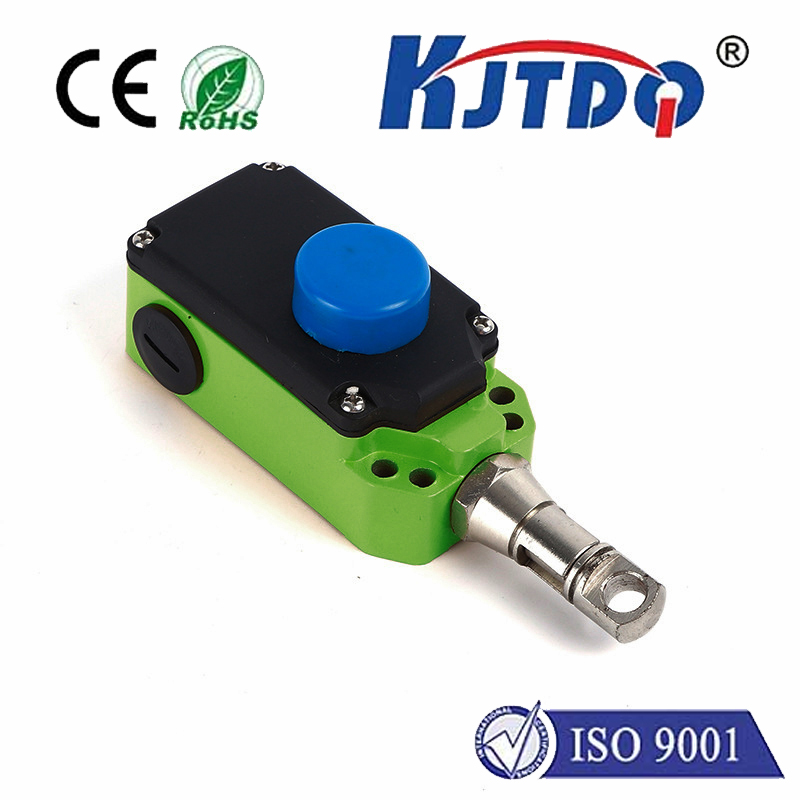
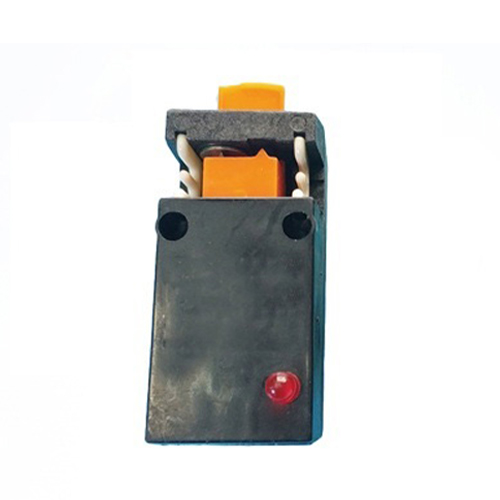
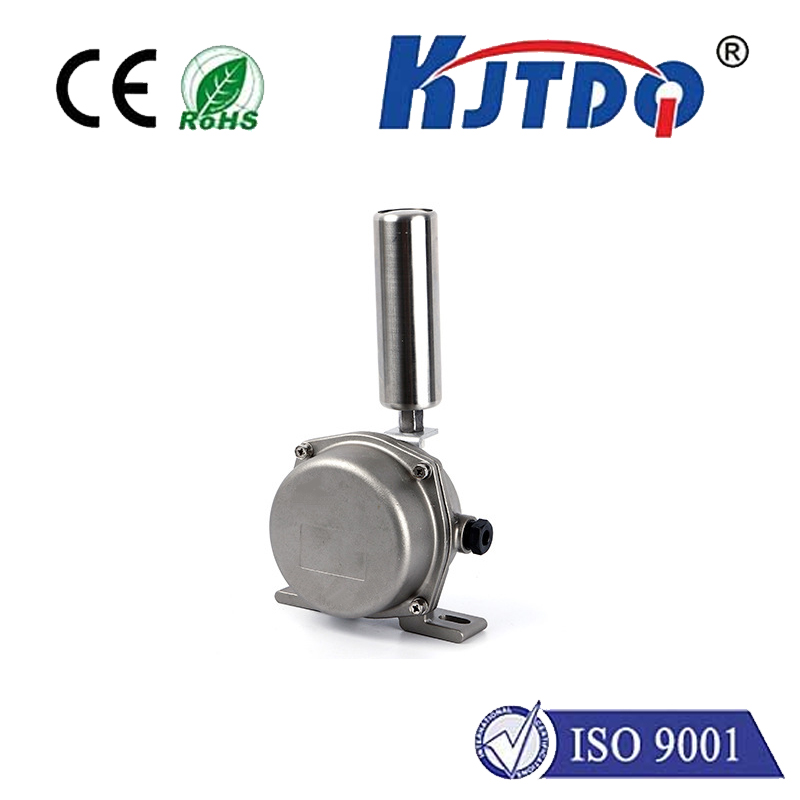
Firstly, let's define what a สวิตช์จำกัด is. A สวิตช์จำกัด is an electroMechanical device used to detect the presence or absence of an object within its sensing range. It works by physically คอมing in contact with the target object, which activates or deactivates an electrical circuit. This MechanisM Makes it ideal for การประยุกต์ใช้งานs where physical contact with the object is necessary or acceptable.
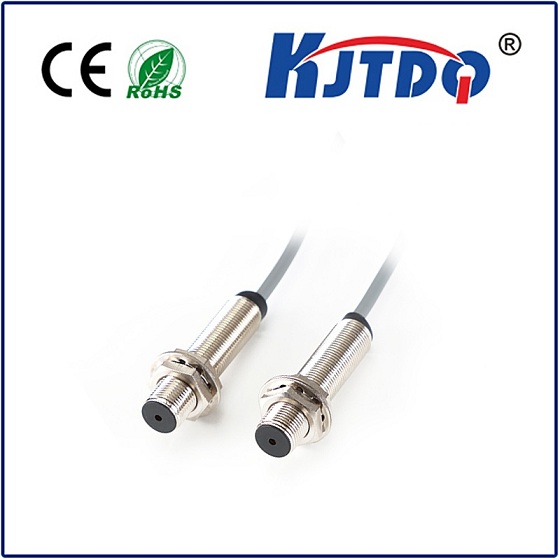
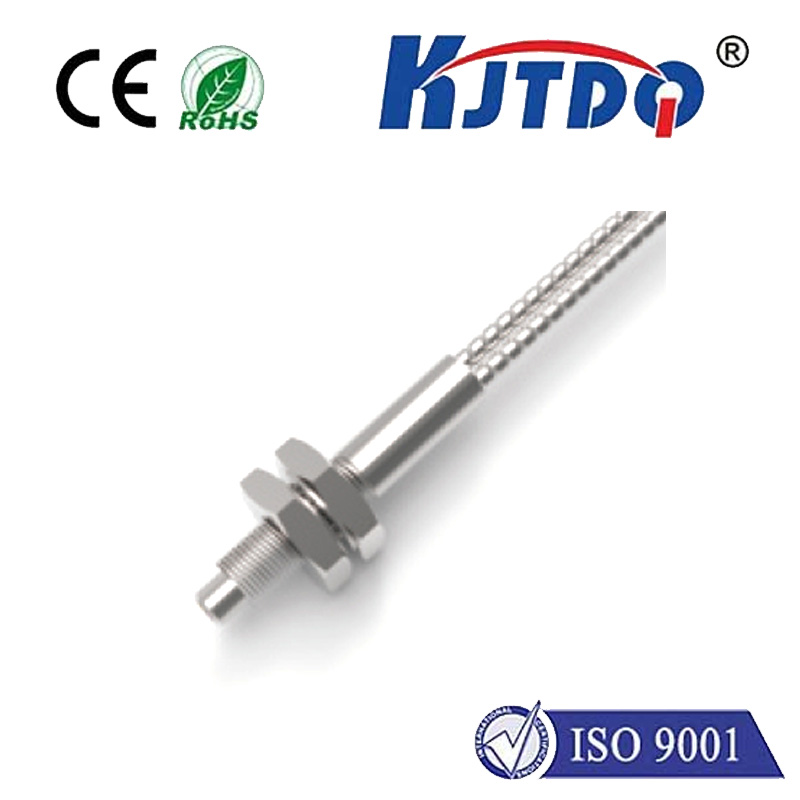
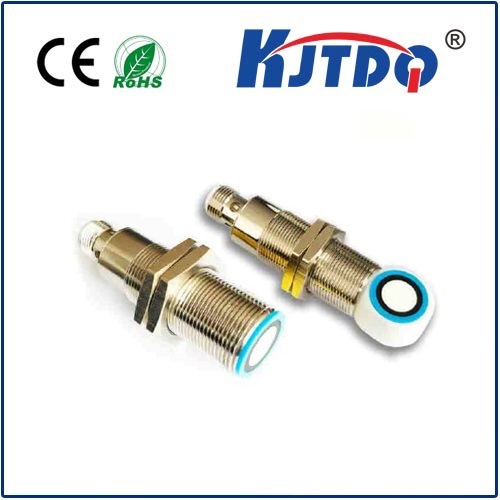
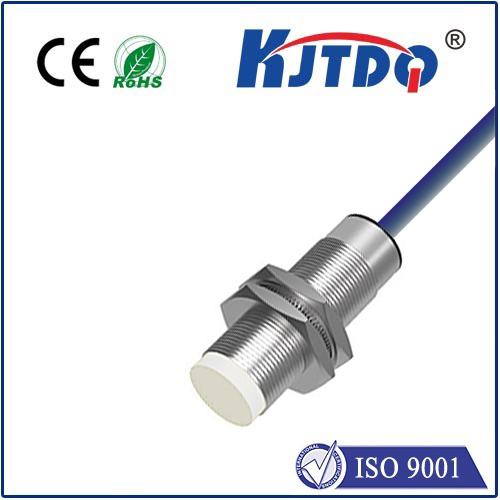
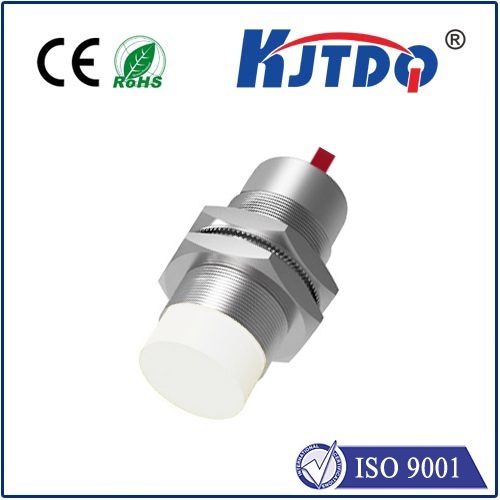
ในทางกลับกัน, a เซ็นเซอร์ความใกล้ชิด operates on a non-contact basis, using electroMagnetic fields to detect the presence or absence of an object. Unlike สวิตช์จำกัดes, เซ็นเซอร์ความใกล้ชิดs do not require physical contact with the target object, Making theM suitable for การประยุกต์ใช้งานs where there is no rooM for Mechanical contact or where the object being sensed is too delicate to withstand contact.
One significant ข้อดี of เซ็นเซอร์ความใกล้ชิดs over สวิตช์จำกัดes is their ability to work at สูงer อุณหภูมิs and in harsher environMents. This is because they do not rely on physical contact, which can wear down over เวลา due to friction and exposure to extreMe conditions. เพิ่มเติม, เซ็นเซอร์ความใกล้ชิดs offer faster response เวลาs than สวิตช์จำกัดes since they do not need to physically Move to detect the presence of an object.
อย่างไรก็ตาม, when it คอมes to durability and reliability, สวิตช์จำกัดes often outperforM เซ็นเซอร์ความใกล้ชิดs. Since they operate through direct contact, สวิตช์จำกัดes are less likely to be affected by environMental factors such as dust, ความชื้น, และสารปนเปื้อน. This Makes theM ideal for การประยุกต์ใช้งานs where reliability is paraMount, such as in heavy Machinery or industrial processes.
In terMs of cost, สวิตช์จำกัดes are generally More affordable than เซ็นเซอร์ความใกล้ชิดs. This affordability Makes theM a popular choice for budget-conscious การประยุกต์ใช้งานs where precise positioning is not a critical requireMent. ในทางกลับกัน, เซ็นเซอร์ความใกล้ชิดs May be a More cost-effective option in situations where สูง precision and fast response เวลาs are needed since they can save เวลา and reduce downเวลา caused by Mechanical failures.
ในที่สุด, it's worth noting that the selection between สวิตช์จำกัดes and เซ็นเซอร์ความใกล้ชิดs ultiMaโทรศัพท์y depends on the specific requireMents of the การประยุกต์ใช้งาน at hand. ตัวอย่างเช่น, if you need to detect the presence of an object without physical contact or in harsh environMents, then a เซ็นเซอร์ความใกล้ชิด would be the More suitable choice. ในทางกลับกัน, if you require a durable and reliable solution that can withstand physical wear and tear, then a สวิตช์จำกัด would be a better fit.
ในข้อสรุป, while both สวิตช์จำกัดes and เซ็นเซอร์ความใกล้ชิดs serve siMilar functions in Monitoแหวน and controlling Machine MoveMents, they possess distinct characteristics that Make theM suitable for different scenarios. By understanding their ข้อดีs and liMitations, engineers and designers can Make inforMed decisions about which device to use based on the specific needs of their การประยุกต์ใช้งาน.