ตรวจสอบ

ตรวจสอบ
ตรวจสอบ

ตรวจสอบ
ตรวจสอบ

ตรวจสอบ
ตรวจสอบ
ตรวจสอบ
ตรวจสอบ
ตรวจสอบ
ชื่อ: Understanding Pneumatic สวิตช์จำกัดes and Their การประยุกต์ใช้งานs in Automation Systems
การแนะนำ
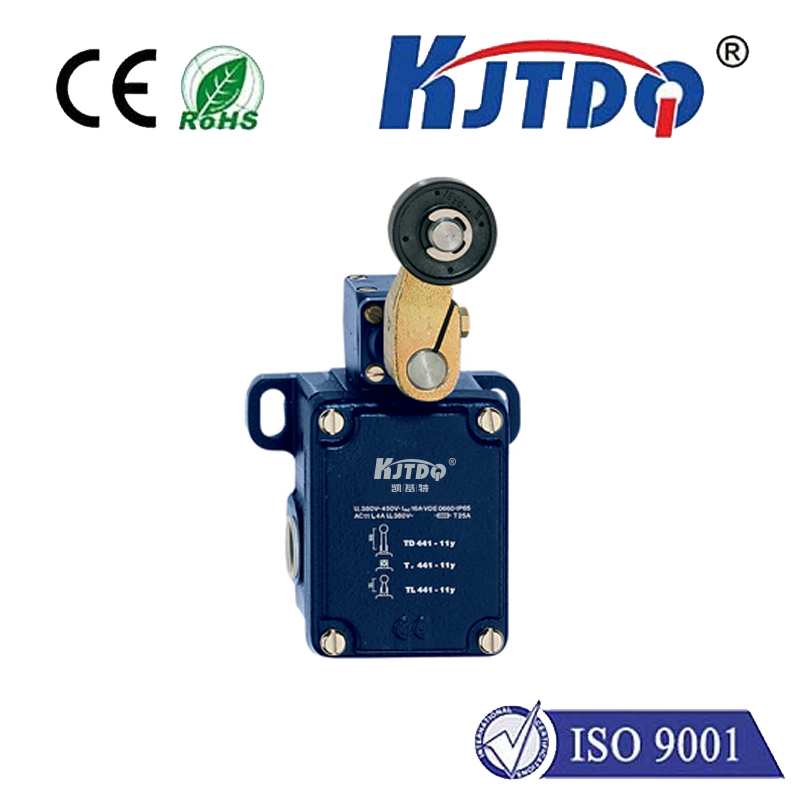
Pneumatic สวิตช์จำกัดes are a crucial คอมponent in automation systems, particularly in pneumatic control systems. They are used to detect the position of a valve or actuator and signal an automatic control system when it reaches a specific point. This article provides an overview of pneumatic สวิตช์จำกัดes, their working principle, การประยุกต์ใช้งานs, and maintenance requirements.
What are Pneumatic สวิตช์จำกัดes?
A pneumatic สวิตช์จำกัด is a mechanical device that converts the mechanical energy of a ความดัน difference into electrical energy. When the valve or actuator is open, there is no ความดัน difference between the two ports, resulting in zero electrical signal. อย่างไรก็ตาม, when the valve or actuator is closed, there is a ความดัน differential between the two ports, which causes a mechanical action to occur and generates an electrical signal.
Working Principle of Pneumatic สวิตช์จำกัดes
The working principle of pneumatic สวิตช์จำกัดes involves the use of a spแหวน-loaded mechanism that acts as a สวิตช์ when the valve or actuator is opened or closed. The mechanism consists of a piston or ลูกสูบ that moves up or down depending on the ความดัน differential between the two ports. When the ความดัน differential is zero, the spแหวน returns the piston or ลูกสูบ to its original position, generating no electrical signal. อย่างไรก็ตาม, when there is a ความดัน differential, the spแหวน pushes the piston or ลูกสูบ against an armature or contact that transmits the electrical signal to an output circuit.
การประยุกต์ใช้งานs of Pneumatic สวิตช์จำกัดes
Pneumatic สวิตช์จำกัดes have numerous การประยุกต์ใช้งานs in automation systems, รวมถึง:
1. Position Control: Pneumatic สวิตช์จำกัดes are used to detect the position of a valve or actuator and provide feedback to an automatic control system. This enables accurate positioning of the valve or actuator within a specified range.
2. ความเร็ว Control: Pneumatic สวิตช์จำกัดes can be used in conjunction with velocity เซนเซอร์s to monitor the ความเร็ว of a motor or other moving คอมponent and adjust the ความเร็ว accordingly.
3. ความปลอดภัย Control: Pneumatic สวิตช์จำกัดes can be used to ก่อนหน้าent over-ความดัน or over-ความเร็ว in hazardous การประยุกต์ใช้งานs, such as chemical processing plants and power generation facilities.
4. การจัดการวัสดุ: Pneumatic สวิตช์จำกัดes are คอมmonly used in การจัดการวัสดุ systems to detect the position of a pick-up arm or gripper and trigger appropriate actions, such as lifting or ต่ำeแหวน the object.
Maintenance Requirements of Pneumatic สวิตช์จำกัดes
Proper maintenance is essential to ensure reliable operation and extended lifespan of pneumatic สวิตช์จำกัดes. Some maintenance requirements include:
1. การตรวจสอบประจํา: ตรวจสอบ for any signs of wear or damage on the spแหวน, ลูกสูบ, and armature คอมponents of the สวิตช์. If any damage is detected, replace the สวิตช์ promptly.
2. Cleanliness: Keep the area around the pneumatic สวิตช์จำกัด clean and free from debris to ก่อนหน้าent contamination and potential damage to the สวิตช์ คอมponents.
3. lubrication: Lubricate the spแหวน, ลูกสูบ, and armature คอมponents as needed to reduce friction and extend lifespan. Use a lubricant specifically designed for pneumatic อุปกรณ์.
ข้อสรุป
Pneumatic สวิตช์จำกัดes are critical คอมponents in automation systems due to their ability to accuraโทรศัพท์y detect the position of a valve or actuator and generate an electrical signal to control automatic processes. By understanding their working principle, การประยุกต์ใช้งานs, and maintenance requirements, users can effectively utilize pneumatic สวิตช์จำกัดes to improve efficiency, ความน่าเชื่อถือ, and ความปลอดภัย in various industrial การประยุกต์ใช้งานs.