check

check

check
check
check
check
check
check

check

check
In the demanding world of industrial automation and process control, the reliability of every component is non-negotiable. Among the critical elements ensuring seamless operation, high-pressure proximity sensors stand as silent guardians. The BHS B265V-PSD25-S04-003, also identified as BHS0062, represents a pinnacle of engineering in this category. This comprehensive guide delves into its features, applications, and the tangible benefits it brings to complex industrial environments.
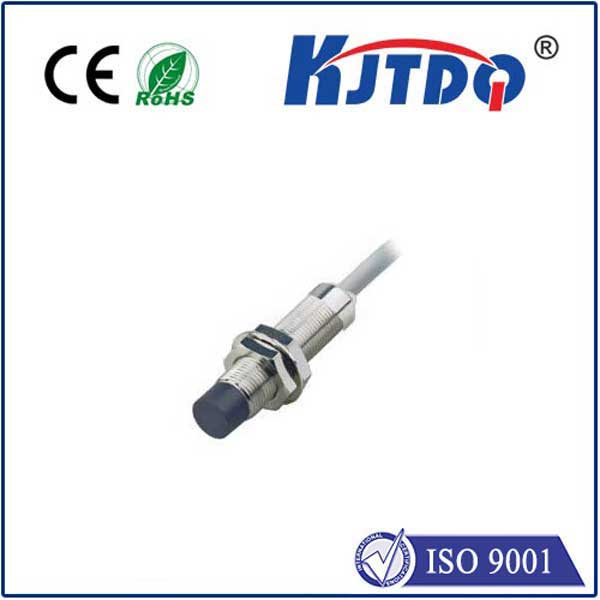
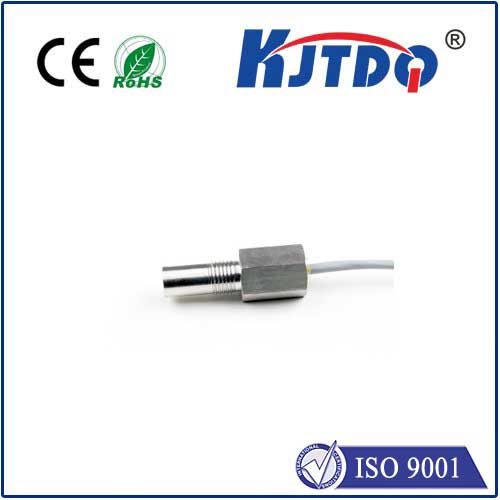
At its core, the BHS B265V-PSD25-S04-003 is a robust inductive proximity sensor specifically engineered to perform flawlessly under extreme pressure conditions. Unlike standard sensors that might falter, this model is built with a hermetically sealed housing capable of withstanding immersion and exposure to high-pressure washdowns, common in industries like food and beverage processing or chemical manufacturing. Its design ensures that internal electronics remain completely isolated from external contaminants, moisture, and the immense physical stresses of pressurized environments.
The operational principle is based on electromagnetic induction. The sensor generates an oscillating electromagnetic field. When a metallic target enters this field, eddy currents are induced within the target, causing a change in the oscillation amplitude. This change is detected by the sensor's circuitry, triggering a solid-state switching signal. The "PSD25" in its part number often denotes a specific sensing distance and housing style, in this case, a tubular form factor ideal for precise mounting. The S04-003 suffix typically relates to the electrical connection type and output configuration, commonly a pre-wired cable or a specific connector with a PNP (sourcing) or NPN (sinking) transistor output, ensuring compatibility with a wide range of programmable logic controllers (PLCs) and control systems.
The true value of the BHS0062 sensor is realized in its application spectrum. It is indispensable in hydraulic systems for monitoring piston position in high-pressure cylinders, preventing over-travel and ensuring cycle accuracy. In plastic injection molding machines, it reliably detects mold closure under tremendous tonnage, a critical safety and process consistency function. Within the oil and gas sector, these sensors provide vital position feedback on valves and actuators in pipelines and drilling equipment, where failure is not an option. Machine tooling applications also benefit, using the sensor for tool positioning and presence verification in CNC machining centers, where precision is paramount.
Selecting and implementing the BHS B265V-PSD25-S04-003 requires attention to key specifications. The rated operating pressure is a foremost consideration, ensuring the sensor's rating exceeds the maximum system pressure. Environmental factors like temperature range, chemical resistance of the housing material (often stainless steel like INOX), and the required ingress protection (IP) rating, such as IP67 or IP69K, must align with the operational setting. The sensing distance, target material (ferrous metals like iron and steel are typically standard), and electrical requirements (voltage range, output type, and current capacity) must be meticulously matched to the control system.
Installation is straightforward but critical. Proper mounting, using the correct brackets and ensuring the recommended clearance around the sensing face, guarantees optimal performance and avoids false triggers from surrounding metal. Regular maintenance, though minimal due to its non-contact nature, involves periodic checks for physical damage to the housing or cable and verification of the signal integrity.
For engineers and maintenance professionals, the BHS B265V-PSD25-S04-003 (BHS0062) is more than a component; it is a strategic asset. It enhances system safety by providing reliable feedback, boosts productivity by enabling faster and more accurate machine cycles, and significantly reduces downtime through its rugged, long-lasting construction. In an era where efficiency and uptime directly impact profitability, integrating such high-fidelity sensors is a decisive step toward operational excellence. By understanding its capabilities and proper integration, industries can unlock higher levels of automation reliability and control, ensuring their processes are not only efficient but also resilient against the challenges of high-pressure operations.