check

check

check

check

check

check
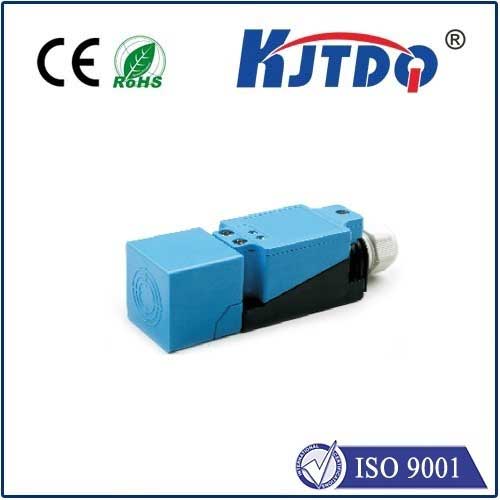
In the demanding world of industrial automation and machinery, the reliability of every component is paramount. Among these critical components, proximity sensors play a vital role in ensuring precise, non-contact detection. The BD1.5-P3-M12S-622 High Pressure proximity sensor stands out as a robust solution engineered for environments where standard sensors fail. This article delves into the features, applications, and benefits of this specialized sensor, highlighting why it is a preferred choice for engineers and system integrators.
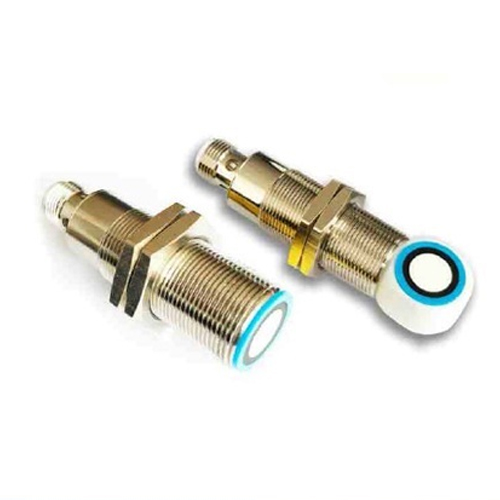
The core challenge in many heavy-duty applications, such as hydraulic systems, die-casting machines, high-pressure cleaning equipment, and offshore platforms, is the presence of extreme ambient pressure. Conventional inductive proximity sensors are not designed to withstand such conditions, leading to potential seal failure, ingress of media, and ultimately, sensor malfunction or destruction. The BD1.5-P3-M12S-622 is specifically designed to overcome this hurdle. Its defining characteristic is its high-pressure resistance, capable of operating reliably even when submerged in fluids or exposed to external pressures that would compromise ordinary sensors. This durability is achieved through a hermetically sealed, stainless steel housing and specially engineered internal components that maintain integrity under stress.
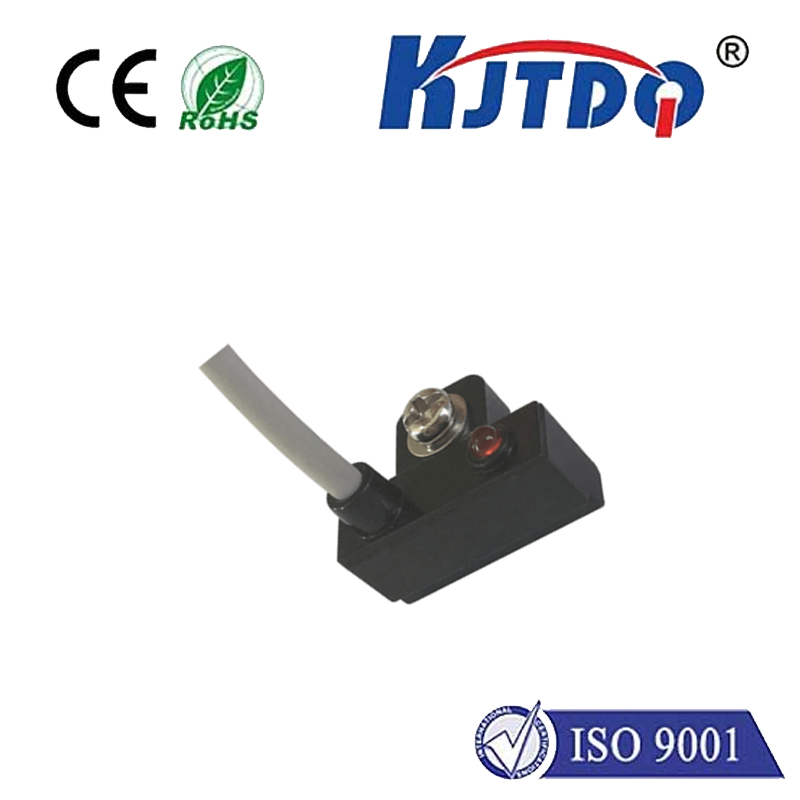
Examining its specifications reveals a sensor built for performance and integration. The "BD1.5" typically denotes a compact, cylindrical form factor with an 18mm diameter. The "P3" often refers to a flush-mountable design, allowing it to be installed without a gap, which is crucial in high-pressure environments to prevent material buildup or damage. The "M12S" indicates a standard 4-pin M12 connector with a sensing range (S) variant, offering easy and quick connection, reducing installation time and wiring complexity. The "622" is a model identifier that often correlates with specific electrical outputs, commonly a PNP normally open (NO) configuration, providing a compatible signal for most programmable logic controllers (PLCs).
The operational principle remains based on inductive sensing, detecting the presence of metallic targets without physical contact. However, the engineering behind the BD1.5-P3-M12S-622 ensures this function remains stable. The sensor generates an electromagnetic field. When a ferrous metal target enters this field, eddy currents are induced, causing a change in the sensor's internal oscillation. This change is processed by the integrated circuitry, triggering a solid-state switch (the PNP output). This entire process occurs within a housing rated for high-pressure immersion, ensuring signal consistency and longevity even in fluctuating conditions.
The advantages of implementing the BD1.5-P3-M12S-622 are significant. First and foremost is unparalleled reliability in harsh conditions. It drastically reduces unplanned downtime caused by sensor failure, leading to higher overall equipment effectiveness (OEE). Its robust stainless steel construction offers excellent resistance to corrosion, shocks, and vibrations, common in industrial settings. The standardized M12 connector facilitates maintenance and replacement, while the flush-mounting capability allows for versatile installation in tight spaces or where protruding sensors are at risk. By providing accurate and consistent detection signals under pressure, it enhances the safety and precision of automated processes, preventing machine damage and ensuring product quality.
Real-world applications are diverse. In hydraulic press monitoring, it can reliably detect piston position within a pressurized oil chamber. In food and beverage processing with high-pressure cleaning (CIP/SIP systems), it monitors valve positions. Within the energy sector, it is used in subsea equipment or high-pressure pipeline monitoring. Machine tools utilizing high-pressure coolant systems also benefit from its resilience. Any application involving pressurized liquids or gases where position feedback is critical can leverage the capabilities of this sensor.
Selecting the right sensor is crucial. When considering the BD1.5-P3-M12S-622, key factors include the required sensing distance, the specific pressure rating needed (consult datasheets for exact PSI/Bar ratings), the target material, the operating voltage range (typically 10-30V DC), and the required output type to match the control system. Proper installation according to manufacturer guidelines, ensuring correct sealing and torque, is essential to realize its full performance potential.
In conclusion, the BD1.5-P3-M12S-622 High Pressure proximity sensor is not merely a component but a strategic asset for operations exposed to extreme pressure environments. Its specialized design addresses a clear gap in the sensor market, offering durability, precision, and ease of use where it is needed most. By ensuring dependable non-contact detection, it contributes to creating more resilient, efficient, and safer industrial automation systems. For engineers seeking a solution that combines high-pressure resistance with proven inductive sensing technology, this sensor represents a reliable and intelligent investment.