check

check

check

check

check

check
In the world of industrial automation and precision engineering, the demand for accurate, reliable, and robust measurement solutions is paramount. Among the myriad of sensing technologies available, laser sensors have carved out a critical niche, offering unparalleled precision for non-contact measurement. The O1D101 laser sensor stands as a prominent example of this advanced technology, designed to meet the rigorous demands of modern manufacturing, quality control, and research applications. This guide delves into the core features, operational principles, and diverse applications of the O1D101, providing a comprehensive overview for engineers and decision-makers.
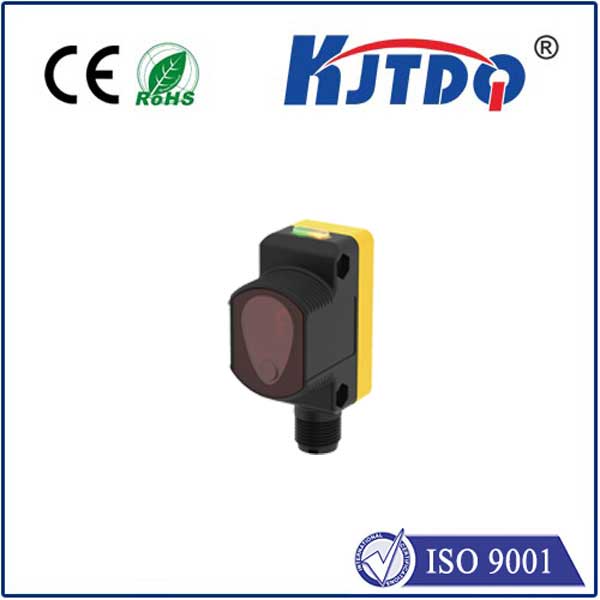
At its heart, the O1D101 is a laser displacement sensor. It operates on the principle of triangulation. The sensor projects a focused, visible red laser beam onto the target surface. The light reflected from this surface is then captured by a high-resolution receiving element, typically a CMOS or CCD array, within the sensor. By precisely calculating the angle of the reflected beam, the sensor's internal processor determines the exact distance to the target with exceptional accuracy. This non-contact method is crucial for measuring delicate, hot, fast-moving, or otherwise inaccessible objects without causing any wear or interference.
The specifications of the O1D101 laser sensor are what set it apart in competitive environments. It typically boasts a high measurement resolution, often in the micron range, allowing it to detect minute variations in surface position or profile. Its measurement speed is high, enabling real-time monitoring on fast production lines. The sensor is engineered with a high tolerance for varying surface conditions, including different colors, materials, and finishes, though performance can be optimized with specific settings. Many models feature a built-in digital display and intuitive interface for easy configuration of parameters such as measurement mode, output type, and tolerance windows.
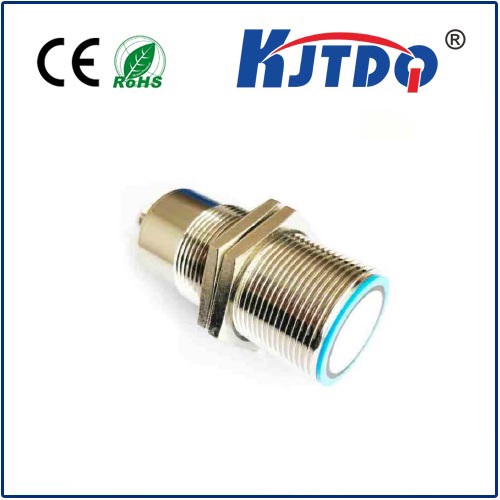
Durability is a non-negotiable feature for industrial sensors. The O1D101 is commonly housed in a rugged, metal casing rated for IP67 or similar ingress protection. This makes it resistant to dust, oil, and water jets, ensuring reliable operation in harsh factory environments. Its compact design facilitates easy integration into existing machinery and tight spaces. The output options are versatile, including analog voltage/current, digital switches (NPN/PNP), and serial communication protocols like RS-485, allowing seamless connection to PLCs, data loggers, and control systems.
The practical applications of the O1D101 laser sensor span numerous industries. In automotive manufacturing, it is used for gap and flush measurement between body panels, thickness inspection of brake pads, and vibration analysis. In electronics, it ensures the coplanarity of chip leads and measures the thickness of printed circuit boards. Within the metal and plastics industries, it performs vital roles in profile measurement, warpage detection, and precise positioning of robotic arms. Furthermore, it is indispensable in laboratory settings for material research and development, where precise dimensional analysis is required.
Implementing the O1D101 requires careful consideration. Proper mounting is essential to avoid vibration and ensure a stable measurement path. Environmental factors such as ambient light, extreme temperatures, and airborne particulates should be assessed; while the sensor is robust, optimal conditions yield the best results. Regular calibration against known standards is recommended to maintain long-term accuracy. Understanding the sensor's linearity and setting appropriate reference points are key steps for a successful installation.
When compared to other measurement technologies like ultrasonic sensors or eddy-current sensors, the O1D101 laser sensor offers distinct advantages. It provides a much smaller, more focused spot size, enabling measurements on very small features. Its response time is significantly faster than ultrasonic sensors, making it suitable for high-speed applications. Unlike contact probes, it eliminates the risk of damaging soft or delicate targets. The visible laser spot also aids immensely in quick and precise alignment during setup.
In conclusion, the O1D101 laser sensor represents a sophisticated tool for precision measurement. Its combination of high accuracy, speed, robustness, and versatility makes it a valuable asset for any operation where quality, efficiency, and reliability are critical. By understanding its capabilities and proper application guidelines, engineers can leverage this technology to solve complex measurement challenges, enhance product quality, and streamline production processes, ultimately driving innovation and operational excellence.