check

check

check

check

check

check
In the demanding environment of industrial operations, where heavy machinery operates continuously, the implementation of fail-safe emergency stop mechanisms is not just a regulatory requirement but a fundamental pillar of workplace safety. Among these critical safety devices, the pull cord switch stands out for its simplicity, reliability, and immediate effectiveness. Specifically, the XCMN2121L1 model represents a sophisticated iteration of this vital technology, designed to meet the rigorous demands of modern conveyor systems, processing lines, and other extended machinery.
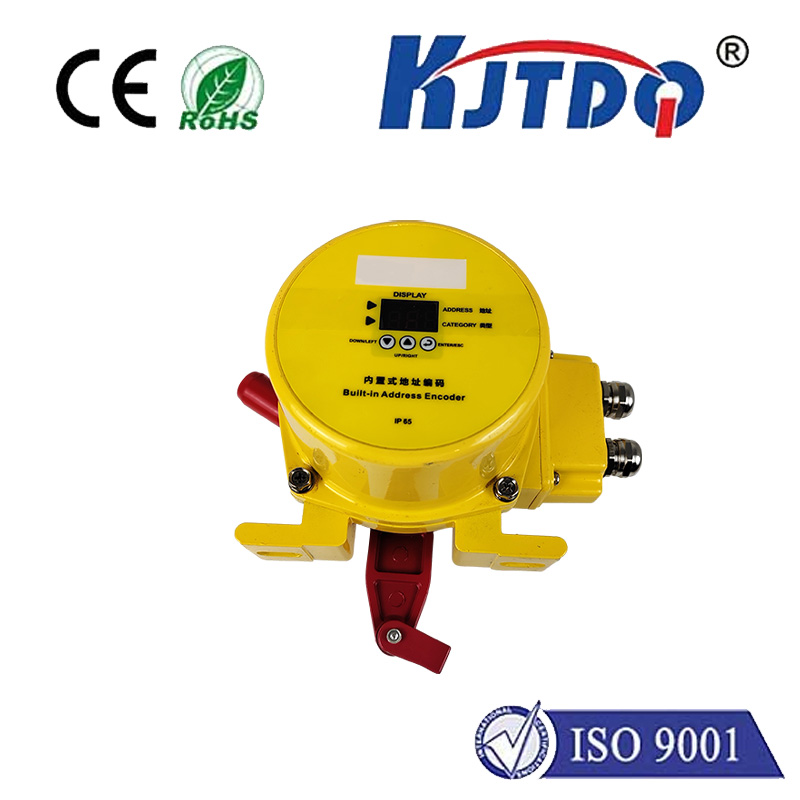
The core function of a pull cord switch, such as the XCMN2121L1, is straightforward: to provide a rapid and easily accessible means of halting machinery along its entire length in the event of an emergency. This is achieved through a cable or cord that runs parallel to the conveyor or machine. At any point, an operator can pull this cord, which mechanically actuates the switch, sending an immediate stop signal to the machine's control system. This "rope-operated emergency switch" is often a worker's first and most direct line of defense against entrapment, material spillage, equipment jams, or any other hazardous situation.
The XCMN2121L1 pull cord switch is engineered with several key features that enhance its reliability and durability in harsh industrial settings. Typically constructed with a robust metal or high-strength polymer housing, it offers significant resistance to impact, dust, and moisture, often corresponding to IP65 or higher ingress protection ratings. This ensures consistent performance in environments with airborne particles or occasional water spray. Internally, the switch mechanism is designed for positive action, providing a clear, unambiguous signal upon activation. Many models, including variants of the XCMN2121L1, incorporate a dual-channel safety configuration. This design utilizes two separate switch contacts that must both change state to initiate the stop command, significantly reducing the risk of failure due to a single component fault and aligning with stringent safety integrity levels.
Installation and maintenance are critical considerations. The switch must be mounted at an appropriate height and interval along the machinery, ensuring the pull cord is within easy reach of any personnel working nearby, typically not more than 20-30 meters apart. The tension on the cord must be correctly adjusted; too loose, and it may not actuate properly, too tight, and it could cause premature wear or false triggers. Regular functional testing is mandatory. This involves deliberately pulling the cord at various points to verify the machinery stops completely and remains in a safe state until the switch is manually reset. The reset mechanism itself is a crucial safety feature, usually requiring a deliberate manual action like twisting or pulling a knob, which prevents the machine from restarting automatically after an emergency stop.
Beyond basic emergency stopping, advanced pull cord switches can integrate with broader safety and control systems. They can be equipped with status indicators, such as LED lights, showing whether the system is armed or has been activated. Their output signals can feed into Programmable Logic Controllers (PLCs) or dedicated safety relays, logging stoppage events for operational analysis or triggering alarms in a control room. This integration transforms the simple pull cord from an isolated emergency device into a node within a comprehensive plant safety network.
When selecting a pull cord switch like the XCMN2121L1, engineers and safety managers must evaluate several factors. The electrical ratings (voltage and current) must match the control circuit requirements. The mechanical durability should suit the environmental conditions, including temperature extremes and potential exposure to oils or chemicals. Compliance with international safety standards, such as ISO 13850 (Safety of machinery - Emergency stop function - Principles for design) or IEC 60947-5-5, is essential for ensuring the device meets globally recognized performance benchmarks. The choice between a switch with normally open or normally closed contacts depends on the fail-safe philosophy of the control system, with normally closed circuits being preferred as a broken wire will simulate an emergency stop signal.
In conclusion, the XCMN2121L1 pull cord switch exemplifies a mature yet indispensable safety technology. Its value lies in its direct, human-centric operation, providing a tangible and immediate means for personnel to assert control over potentially dangerous machinery. In an era of increasing automation, such devices remain a critical physical interface between human workers and complex mechanical systems. Proper specification, strategic installation along all accessible sides of equipment, rigorous testing protocols, and seamless integration into the control architecture are all necessary steps to leverage this device effectively. Ultimately, investing in and maintaining high-quality emergency stop systems, including reliable pull cord switches, is a clear demonstration of an organization's commitment to safeguarding its most important asset: its people.