check

check

check

check

check

check
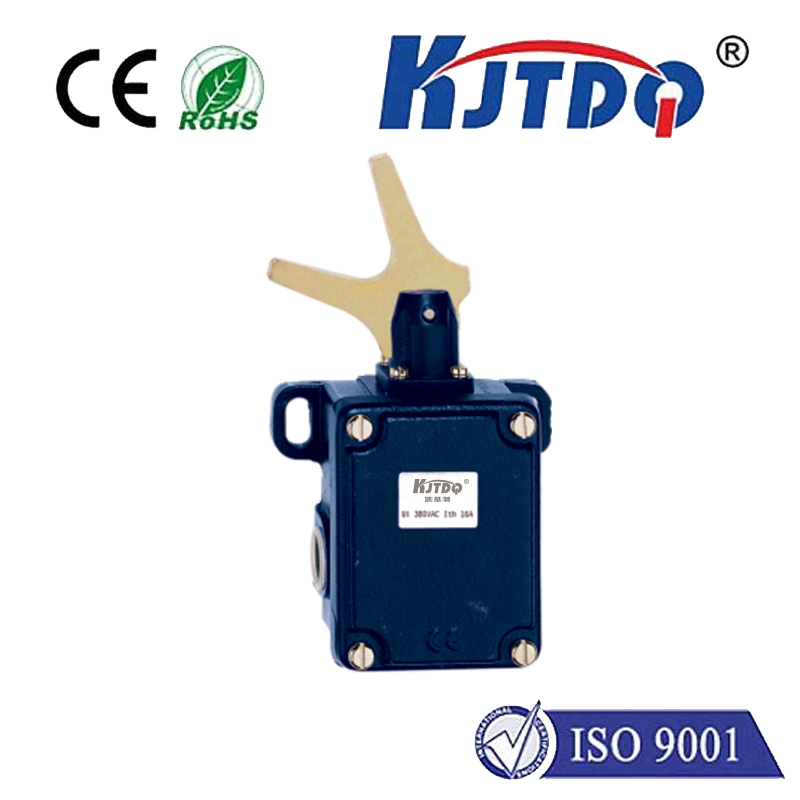
In industrial environments where machinery operates around the clock, safety is not just a priority—it is an absolute necessity. Among the myriad of safety components designed to protect personnel and equipment, the pull cord switch stands out as a critical and often legally mandated device. Specifically, models like the WLF6GL pull cord switch represent a sophisticated evolution in emergency stop technology, offering reliable performance in demanding applications such as conveyor systems, crushers, and large processing plants.
The fundamental principle of a pull cord switch, sometimes called an emergency stop switch or rope pull switch, is elegantly simple yet profoundly effective. It consists of a switch unit typically mounted along the length of a conveyor or machine and a steel wire rope (the pull cord) that runs parallel to the equipment. This rope is easily accessible to operators working anywhere along the line. In the event of an emergency—such as a material jam, a person becoming entangled, or any other hazardous situation—the operator can quickly pull the cord. This action immediately actuates the switch, sending a stop signal to the machine's control system, which triggers an immediate and safe shutdown of the equipment. This rapid response capability is crucial for preventing injuries, minimizing equipment damage, and avoiding costly production downtime.
The WLF6GL variant exemplifies the advanced features required in modern industrial settings. It is engineered for high durability and consistent operation even in harsh conditions characterized by dust, moisture, and temperature fluctuations. A key feature of such switches is their robust mechanical design, often incorporating a positive break action that ensures the electrical contacts open reliably when the cord is pulled, guaranteeing the stop command is executed. Many models, including those in this category, offer a dual-channel safety configuration. This means they have two separate contact sets that simultaneously change state, providing redundancy for connection to a safety relay or programmable logic controller (PLC). This redundancy is a core tenet of functional safety standards, ensuring the system remains fail-safe.
Furthermore, modern pull cord switches like the WLF6GL are designed for easy integration and maintenance. They often come with a manual reset function. After the cord is pulled and the emergency is resolved, the switch cannot simply reset itself; an operator must manually reset it at the switch location. This prevents an automatic and potentially unsafe restart, forcing a conscious acknowledgment that the hazard has been cleared. The housing is usually made of heavy-duty, corrosion-resistant materials like die-cast aluminum or stainless steel, protecting the internal components. The pull cord itself is a high-tensile steel cable with appropriate tension adjustment to prevent sagging and ensure consistent activation force along its entire length.
Choosing the right pull cord switch involves several critical considerations. The application's environment dictates the required Ingress Protection (IP) rating to guard against dust and water. The mechanical lifespan, often rated in millions of operations, indicates long-term reliability. Compliance with international safety standards such as ISO 13850 (Safety of machinery — Emergency stop function — Principles for design) and IEC 60947-5-1 is non-negotiable for most facilities. The WLF6GL series is typically designed to meet these rigorous benchmarks, providing peace of mind to plant managers and safety engineers.
Installation and regular testing are paramount to ensuring the system functions when needed. Switches should be installed at regular intervals so that an operator is never more than a few steps away from an activation point. The pull cord should be positioned at a safe and accessible height, usually between 0.8 and 1.2 meters from the walkway. A rigorous testing protocol must be established, requiring operators to functionally test the switches at the start of each shift or week by pulling the cord and verifying the machine stops. This routine check confirms the entire safety circuit—from the switch to the control system—is operational.
In conclusion, the pull cord switch remains an indispensable element of industrial machinery safety. Advanced models such as the WLF6GL provide the durability, reliability, and safety-certified design necessary to protect human lives and capital investments. By enabling a quick and decisive emergency response directly from the point of danger, these devices form a vital last line of defense in creating a safer, more productive, and compliant industrial workplace. Their presence is a clear indicator of a facility's commitment to operational excellence and the well-being of its workforce.