check

check

check

check

check

check
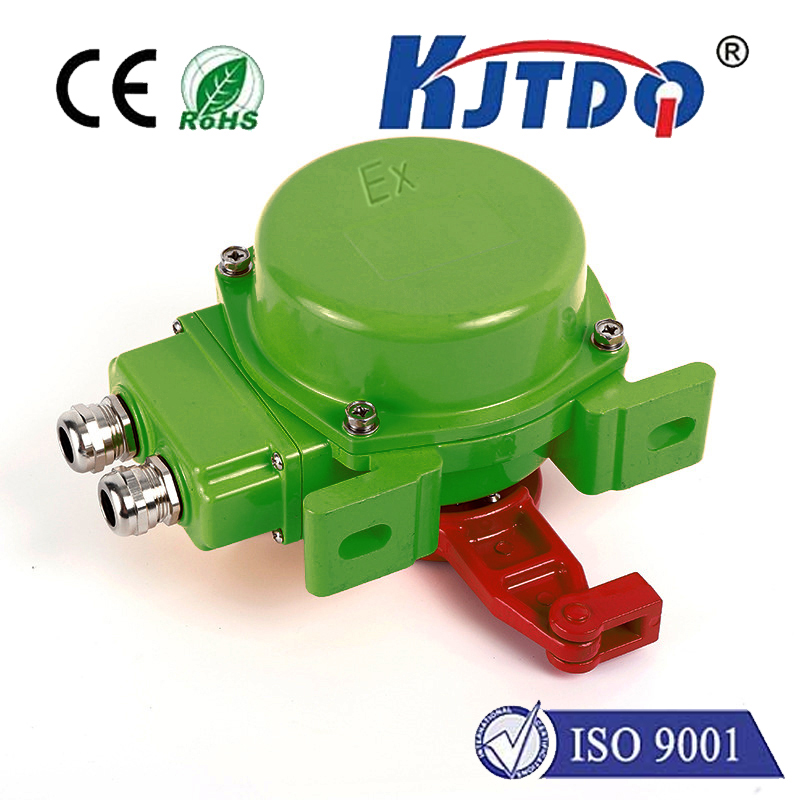
In the demanding world of industrial automation and material handling, safety is not just a priority; it is a fundamental requirement. Among the myriad of safety devices that protect personnel and equipment, the pull cord switch stands as a vital and often unsung hero. Specifically, the BL-LSCX-3/R model represents a robust and reliable solution designed to bring conveyor systems to an immediate halt in case of an emergency. This article delves into the importance, functionality, and key features of this essential safety component, explaining why it is a cornerstone of modern industrial safety protocols.
Conveyor belts are the lifelines of many industries, from mining and manufacturing to logistics and packaging. They move heavy loads over long distances, often in environments where human operators are present. While efficient, these systems pose inherent risks, such as entanglement, material spillage, or equipment jams. An emergency stop mechanism that is easily accessible along the entire length of the conveyor is crucial. This is where the pull cord switch, like the BL-LSCX-3/R, comes into play. It is typically installed at regular intervals along both sides of a conveyor belt. In the event of an emergency—whether a worker is in danger, a blockage occurs, or a fault is detected—any person can quickly pull the cord. This action triggers the switch, sending a stop signal directly to the conveyor's motor control circuit, causing an instantaneous and safe shutdown. This "fail-safe" design ensures that the system defaults to a safe state when activated.
The designation "BL-LSCX-3/R" provides insight into its specifications. Models like these are engineered for durability and consistent performance in harsh industrial environments. They are often built with a heavy-duty, corrosion-resistant metal or high-grade polymer housing to withstand dust, moisture, vibration, and extreme temperatures. The internal mechanism is designed for high reliability, with a positive break action that ensures clear signal transmission upon activation. Many variants, including the /R suffix which may indicate a specific feature like a reset function or a particular rating, are designed for easy maintenance and resetting after an activation. Once the emergency is resolved, an operator can usually reset the switch by simply rotating a knob or pulling a lever, restoring normal operation without the need for complex tools or procedures.
Beyond the basic emergency stop function, advanced pull cord switches offer additional features that enhance safety and operational awareness. Some models come equipped with dual channels for redundancy, ensuring the stop signal is transmitted even if one channel fails—a critical feature for high-risk applications. Others integrate status indication lights, showing at a control panel whether the switch is in a normal or tripped state, aiding in quick fault location. The cabling itself is also crucial; it must be strong enough to resist accidental snags while remaining sensitive enough to activate with a deliberate pull. Proper installation is key, ensuring the pull cord is at an accessible height and tension along the entire run of the conveyor.
Implementing a network of BL-LSCX-3/R pull cord switches is a proactive step in risk management. It directly addresses occupational health and safety regulations that mandate the provision of accessible emergency stop devices on machinery. This not only helps prevent accidents and injuries but also minimizes potential damage to valuable products and the conveyor system itself, reducing downtime and associated costs. For system integrators and plant managers, choosing a proven model like this means investing in a component that delivers peace of mind, operational continuity, and compliance with international safety standards.
In conclusion, the BL-LSCX-3/R pull cord switch is far more than a simple button or lever. It is a strategically placed, highly reliable safety sentinel for conveyor systems. Its presence along a conveyor line embodies the principle of making safety accessible to every worker. By enabling immediate human intervention to stop machinery, it forms an indispensable last line of defense in the industrial workplace. For any operation relying on conveyor technology, integrating and maintaining such emergency stop devices is not an optional extra but an essential commitment to protecting people and productivity.