check

check

check

check

check

check
In industrial and manufacturing environments, safety and operational control are paramount. Among the myriad of safety devices available, the pull cord switch stands as a critical component for emergency stopping along conveyor belts, processing lines, and other long machinery. The BFPP-12-30 model represents a specific and robust iteration of this essential safety tool, designed to meet rigorous demands. This guide delves into the functionality, applications, and key considerations of the BFPP-12-30 pull cord switch, providing a clear understanding for engineers, safety managers, and procurement specialists.
A pull cord switch, often called an emergency stop switch or rope pull switch, is a manually activated safety device installed along the length of a machine. It consists of a switch housing and a cable or rope that runs parallel to the equipment. In an emergency—such as a material jam, equipment entanglement, or any hazardous situation—an operator can pull the cord from any point along its run. This action immediately triggers the switch to cut power to the machinery, bringing it to a rapid and controlled halt, thereby preventing injury or damage.
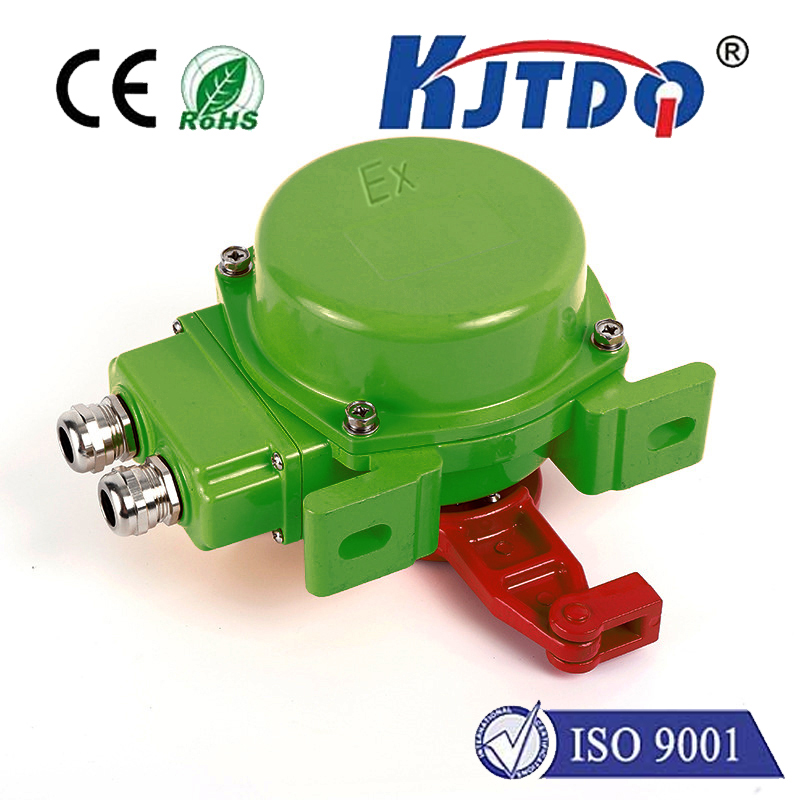
The BFPP-12-30 model is engineered for durability and reliability in challenging conditions. The designation often refers to its specific technical characteristics, which may include its enclosure rating, switching capacity, and mechanical design. Typically, such a switch features a robust, corrosion-resistant housing, often meeting IP65 or higher standards, making it suitable for dusty, damp, or outdoor environments common in mining, aggregate, packaging, and bulk material handling industries. The "pull cord" mechanism is designed for low operating force and high visibility, often using a brightly colored rope for easy identification. A key feature is its latching mechanism; once activated, the switch remains in the tripped position until manually reset, ensuring the machinery cannot be restarted without a deliberate and safe reset procedure. This prevents accidental restarting while the hazard is being addressed.
Installation and placement of the BFPP-12-30 are critical for its effectiveness. The pull cord should be installed within easy reach of personnel, typically at a height between 0.6 to 1.8 meters above the walking surface. The cable must have sufficient tension to avoid sagging but not so much that it is difficult to pull. Regular testing and maintenance are non-negotiable. Operators should be trained to perform functional tests frequently, verifying that pulling the cord from any section results in an immediate machine stop. Maintenance involves inspecting the cable for wear or damage, checking the switch housing for integrity, and ensuring the electrical contacts are clean and secure. A well-maintained BFPP-12-30 switch is a reliable last line of defense.
When selecting a pull cord switch like the BFPP-12-30, several factors must be evaluated. First is the safety integrity level required for the application, often dictated by regional standards like ISO 13849-1. The switch's electrical ratings (voltage, current) must match the control circuit it is interrupting. The mechanical environment—exposure to vibration, impact, temperature extremes, and corrosive substances—dictates the necessary enclosure rating. Finally, consider features like dual-channel outputs for monitoring safety circuits, key-operated reset options for controlled restart, and auxiliary contacts for signaling the stop event to a central control system.
In conclusion, the BFPP-12-30 pull cord switch is more than just a component; it is an integral part of a comprehensive safety strategy. Its design prioritizes immediate human intervention to mitigate risk, protecting both personnel and capital investment. For operations relying on conveyor systems or extended machinery, implementing and maintaining reliable emergency stop devices like the BFPP-12-30 is not merely a regulatory compliance issue but a fundamental ethical and operational responsibility. Ensuring these devices are correctly specified, installed, and maintained can make the definitive difference in an emergency situation, underscoring their indispensable role in modern industrial safety.