check

check

check

check

check

check
In today's fast-paced industrial environments, operational efficiency must never compromise worker safety. The integration of reliable emergency stop mechanisms is not just a regulatory requirement but a fundamental ethical responsibility. Among the various safety solutions available, the pull cord switch stands as a critical line of defense. Specifically, the KJTDQ HFKLT2-S1 model has emerged as a robust component designed to address the demanding needs of modern conveyor systems, assembly lines, and other long machinery setups.
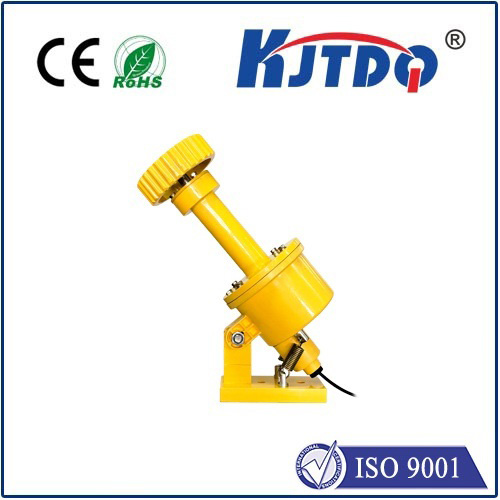
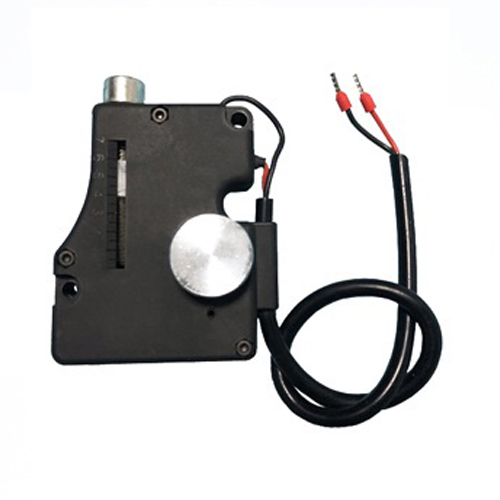
The primary function of the HFKLT2-S1 pull cord switch is to provide a immediate and accessible means to halt machinery in case of an emergency. Its design principle is straightforward yet highly effective: a cable runs alongside the hazardous area, and a pull from any point along this cable activates the switch, cutting power to the equipment. This "fail-safe" design ensures that any tension or pull on the cord results in a machine stoppage, prioritizing human safety above all else. The KJTDQ variant is engineered for durability, often featuring a robust metal or high-grade polymer housing that withstands harsh conditions including dust, moisture, and significant temperature variations common in industries like mining, packaging, and material handling.
Installation and maintenance are key factors in the effectiveness of any safety device. The HFKLT2-S1 model is designed for straightforward integration into existing control systems. It typically includes multiple actuator heads and is available in various configurations to suit left or right-hand mounting, making it versatile for different plant layouts. Regular testing is crucial, and this switch often incorporates a manual reset function. After an emergency stop is activated, the switch must be manually reset at the location of the incident, ensuring that the cause of the stoppage is investigated before operations resume. This feature prevents accidental or remote restarts that could endanger personnel.
Beyond basic functionality, advanced versions or complementary systems paired with the HFKLT2-S1 can offer additional features. These may include dual-channel safety outputs for connection to safety relays or PLCs, enhancing system reliability through redundancy. Some models also provide status indication via LED lights, allowing for quick visual confirmation of the switch's operational state from a distance. The choice of cable material and tension is also vital; it must be strong enough to resist accidental sagging or breakage while sensitive enough to be activated with reasonable force during a genuine emergency.
The consequences of neglecting such safety interlocks can be severe, leading to equipment damage, production downtime, and most importantly, workplace injuries. Implementing a certified and reliable pull cord switch like the KJTDQ HFKLT2-S1 is a proactive step in risk management. It aligns with international safety standards such as ISO 13850 and IEC 60947-5-5, which govern the principles of emergency stop equipment. Compliance with these standards is not merely about avoiding penalties; it demonstrates a company's commitment to fostering a culture of safety.
In conclusion, while technology in industrial automation continues to advance rapidly, the principle of providing simple, physical, and immediate emergency control remains paramount. The KJTDQ HFKLT2-S1 pull cord switch embodies this principle. Its role is to serve as an unambiguous and accessible safeguard, empowering every worker along a production line to act decisively in a potential crisis. Selecting, installing, and maintaining such devices with diligence is a non-negotiable aspect of responsible industrial operation, ensuring that productivity and safety move forward hand in hand.