check

check

check

check

check

check
In the intricate world of industrial automation and control systems, the reliability of individual components dictates the efficiency and safety of entire operations. Among these critical components, the SPST limit switch stands as a fundamental yet indispensable device. SPST, an acronym for Single Pole Single Throw, describes a specific type of electrical switch configuration. In essence, it is the simplest form of a switch: it has one input (pole) and one output (throw), creating a single, straightforward circuit path that is either open (off) or closed (on). When integrated into a limit switch housing, this mechanism becomes a vital sensor for detecting the presence or absence, position, or end-of-travel of an object.
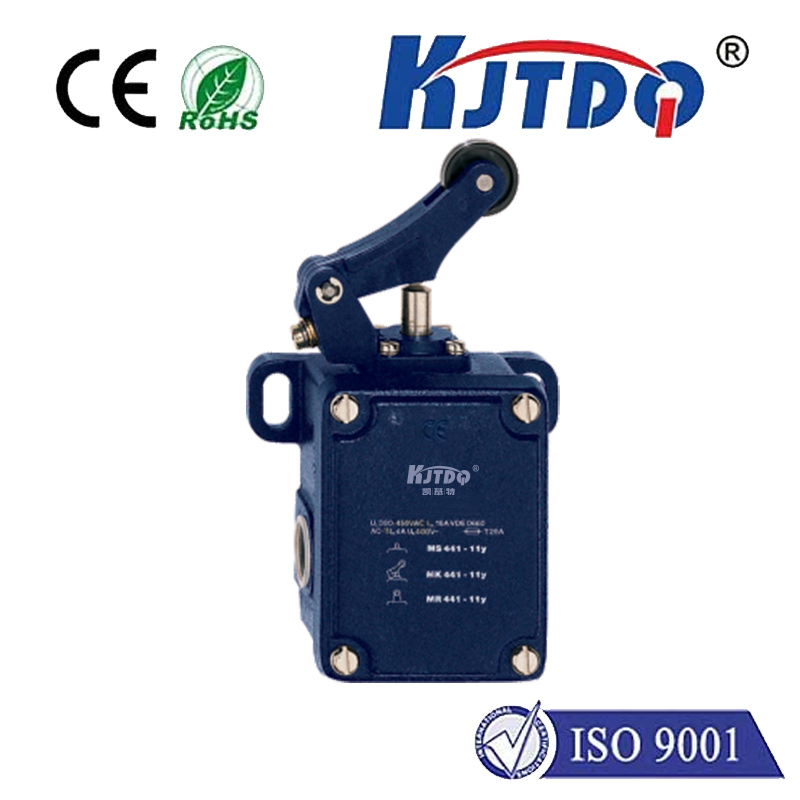
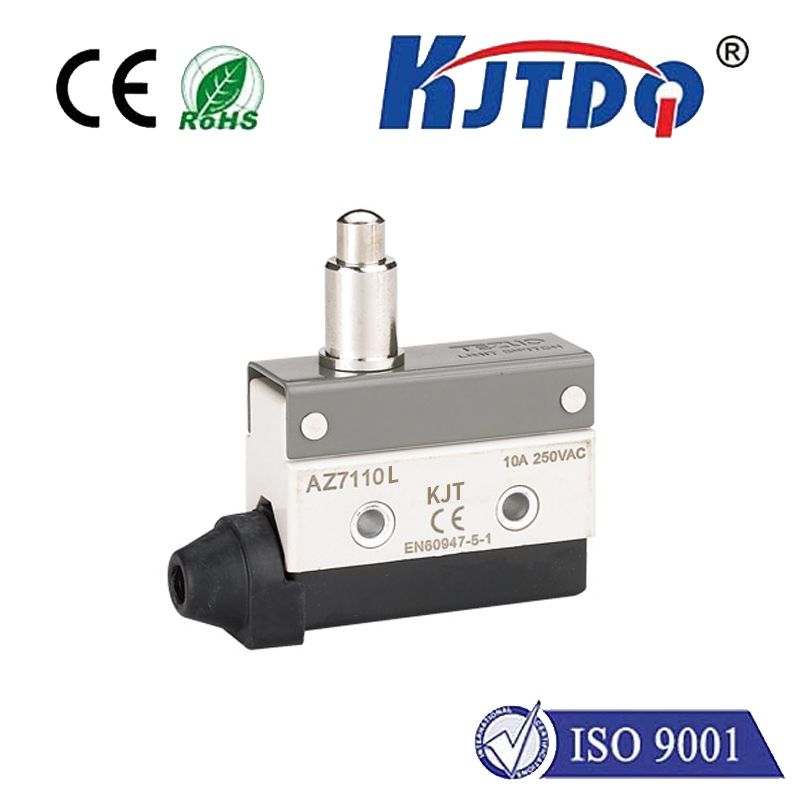
The operational principle of an SPST limit switch is elegantly simple. It typically consists of an actuator (like a lever, roller, or plunger) mechanically linked to a set of internal SPST contacts. When a moving machine part or object makes physical contact with the actuator, it triggers the movement of the internal mechanism. This action either opens or closes the electrical circuit. For example, a normally open (NO) SPST limit switch will close its circuit when activated, allowing current to flow and sending a signal to the control system. Conversely, a normally closed (NC) version will open the circuit upon activation, interrupting the current. This binary signal—on or off—serves as a crucial input for programmable logic controllers (PLCs) or other control units, informing them of a machine's precise status.
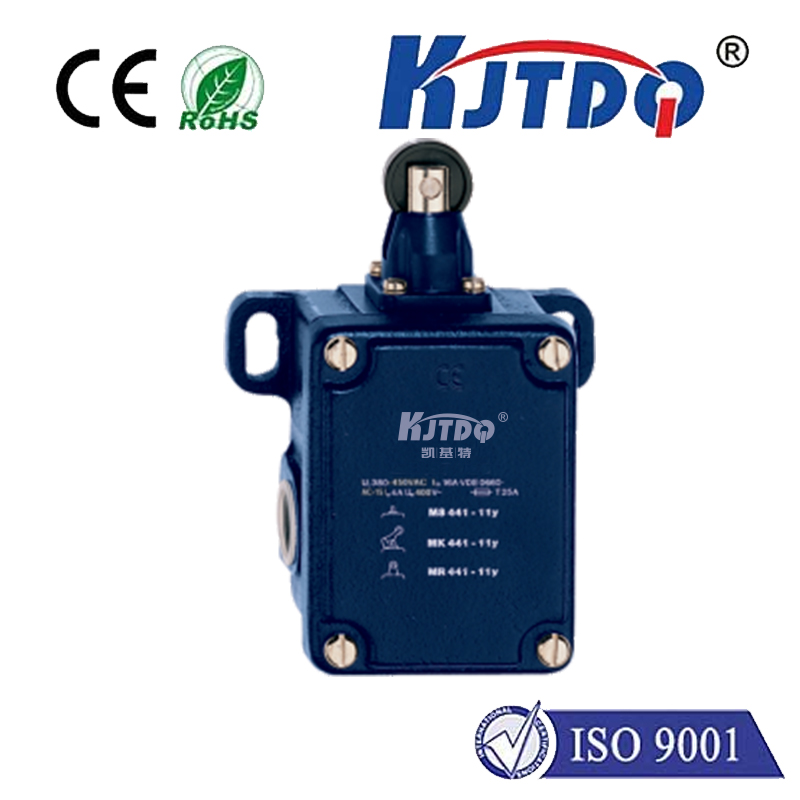
The robustness of the SPST limit switch design is a key factor in its widespread adoption. Housed in durable metal or high-grade plastic enclosures, these switches are built to withstand harsh industrial environments. They are resistant to factors like dust, moisture, oil, and mechanical impact. This durability ensures consistent performance in applications ranging from automated assembly lines and packaging machinery to material handling systems like conveyor belts and overhead cranes. In a conveyor system, for instance, an SPST limit switch with a roller arm can be positioned to detect when a product reaches a specific point, triggering the next step in the process, such as sorting, lifting, or stopping the belt.
Safety is another paramount domain where SPST limit switches prove invaluable. They are often employed as interlock devices or emergency stop triggers. On a machine guard door, a limit switch can be installed so that the circuit powering the machine remains open unless the door is securely closed. This physically prevents the machine from operating while the guard is open, protecting personnel from potential harm. Their simple, direct-action mechanism offers a high degree of reliability, which is non-negotiable in safety-critical applications.
When comparing the SPST limit switch to more complex counterparts like SPDT (Single Pole Double Throw) or multi-pole switches, its advantage lies in its simplicity and cost-effectiveness. For applications that require only a single control signal—a simple "go/no-go," "present/absent," or "limit reached" indication—the SPST configuration is perfectly adequate and often the most economical choice. It reduces wiring complexity and minimizes potential points of failure. However, for functions requiring a simultaneous changeover between two circuits (e.g., switching from one motor winding to another), an SPDT switch would be necessary.
Selecting the right SPST limit switch involves careful consideration of several parameters. The electrical rating (voltage and current capacity) must match the control circuit's requirements. The actuator type (lever, roller, fork, or plunger) and its operating force must be suitable for the physical interaction with the target object. Environmental protection ratings, denoted by IP (Ingress Protection) codes, are crucial for ensuring longevity in dirty, wet, or explosive atmospheres. Finally, the mechanical life expectancy, often rated in millions of cycles, should align with the application's operational demands.
In conclusion, the SPST limit switch remains a cornerstone of industrial control. Its uncomplicated design, based on a single, reliable switching action, delivers the essential feedback needed for automation, sequencing, and safety. From controlling the repetitive motion of a robotic arm to ensuring a press brake stops at the correct upper position, this device translates physical movement into definitive electrical signals. As industries continue to evolve with smarter technologies, the fundamental role of dependable, hard-wired components like the SPST limit switch in providing basic, fail-safe detection and control is unlikely to diminish. Its continued use underscores a principle in engineering: for many critical tasks, straightforward and robust solutions are often the most effective.