check

check

check

check

check

check
In industrial automation and control systems, the reliability of components directly impacts operational efficiency and safety. Among these critical components, the limit switch push button stands out as a fundamental interface between human operators and machinery. This device, often overlooked in its simplicity, plays a pivotal role in initiating, halting, or controlling automated sequences. Understanding its functionality, variations, and proper implementation is essential for engineers, technicians, and procurement specialists.
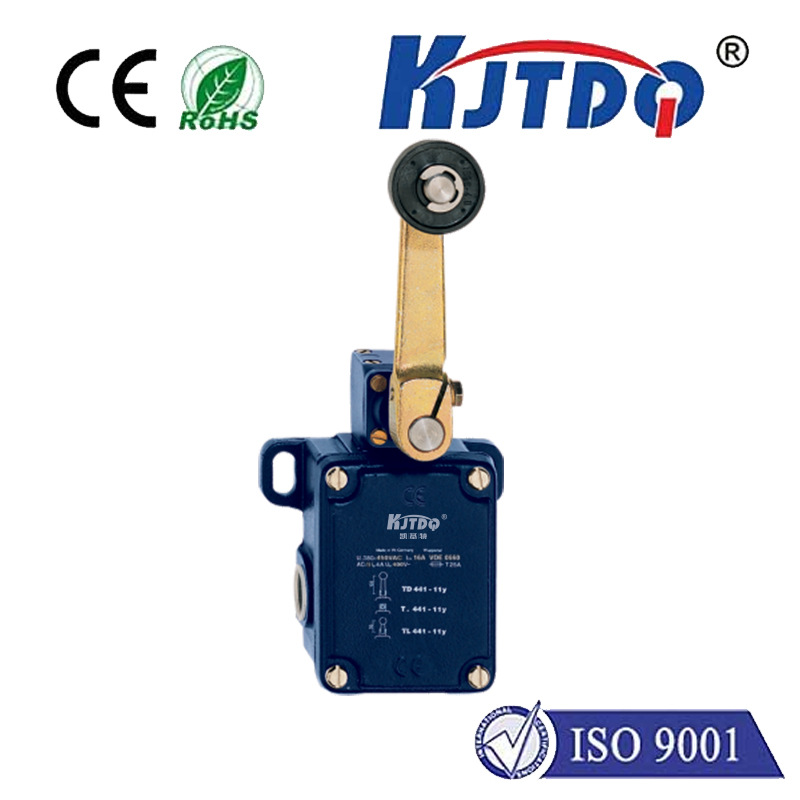
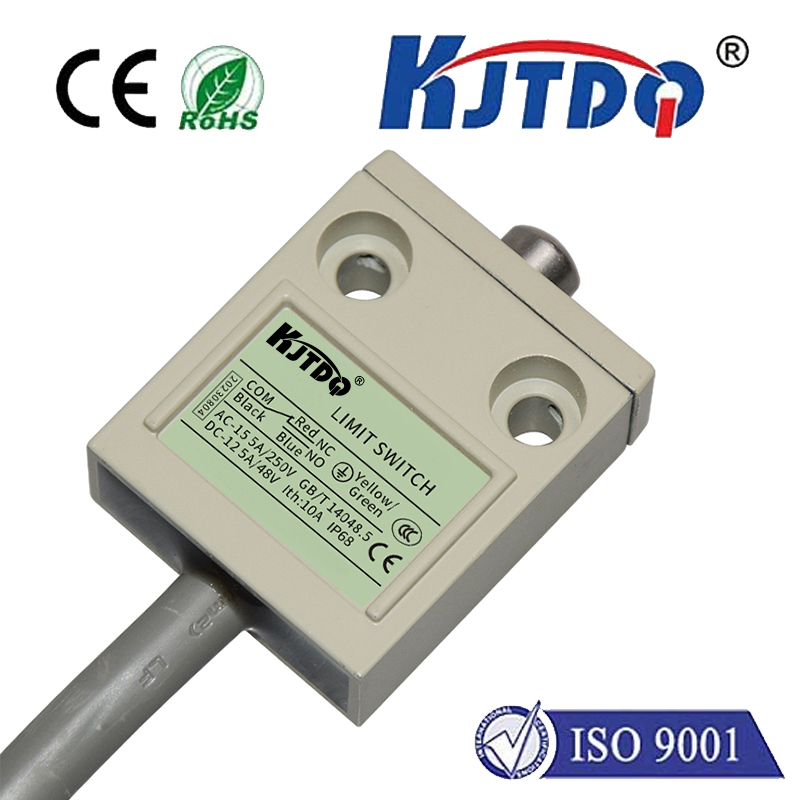
A limit switch push button is essentially a manually operated switch that is integrated with or works in conjunction with a limit switch mechanism. The push button component provides the human input, while the limit switch aspect is typically an electromechanical device that detects the presence or absence of an object, or monitors the position of a machine part. When combined, they create a robust control point. The primary function is to send a signal to a control system—like a PLC (Programmable Logic Controller)—to trigger a specific action once a predetermined physical limit is reached or when manually commanded. For instance, it can be used to stop a conveyor belt when a product reaches the end of the line (limit function) or to start a machining process (push button function).
The market offers a diverse range of limit switch push buttons, categorized by several key characteristics. Firstly, the actuation type: standard push buttons require continuous pressure, while maintained buttons lock in position until pressed again. Momentary buttons return to their default state once released. Secondly, the electrical specifications, including voltage rating (commonly 12V DC, 24V DC/AC, 120V AC, 240V AC), current capacity, and the number of poles/contacts (SPST, SPDT, DPST, DPDT). Thirdly, the construction and housing material are critical for durability. Industrial-grade units feature robust metal or high-impact plastic housings with ingress protection (IP) ratings like IP65 or IP67, making them resistant to dust, water, oils, and chemicals. The actuator head itself can vary—mushroom heads for emergency stops, flush heads for safety, or extended heads for easier access.
Selecting the right limit switch push button requires a careful analysis of the application. Consider the operational environment: is it a wet, dusty, or corrosive setting? This dictates the required IP and NEMA ratings. The required safety level is paramount; for emergency stop functions, a dedicated, highly visible, red mushroom-head e-stop button with a direct-opening action is mandatory per safety standards like ISO 13850. The electrical load of the connected circuit must match the switch's contact rating to prevent premature failure. For repetitive or high-cycle applications, mechanical life (often in millions of cycles) is a key specification. Additionally, factors like mounting style (panel mount, flange mount), connection type (screw terminals, quick-connect), and auxiliary indicators (built-in LED illumination) should align with the panel design and operator needs.
Installation and wiring must adhere to strict electrical codes and manufacturer guidelines. Proper mounting ensures the actuator is accessible and functions without binding. Wiring should be secure, with attention to correct terminal assignments for normally open (NO) and normally closed (NC) contacts. A common mistake is misinterpreting the switch's logic, which can lead to unsafe conditions. Regular maintenance, though minimal for sealed units, involves checking for physical damage, ensuring actuator smoothness, and verifying electrical continuity. For non-sealed switches in dirty environments, periodic cleaning of contacts may be necessary.
The integration of these devices into modern smart factories is evolving. While traditional electromechanical push buttons remain dominant due to their simplicity and fail-safe nature, there is a growing trend towards hybrid devices that incorporate electronic sensing or network connectivity. Some advanced models can provide diagnostic feedback to supervisory systems, signaling potential wear or immanent failure. However, the core principle remains: providing a reliable, tactile, and unambiguous interface for control.
In conclusion, the limit switch push button is a deceptively simple component that forms a critical link in the control chain. Its correct selection—based on environmental demands, electrical requirements, safety protocols, and ergonomic considerations—is non-negotiable for ensuring system integrity, protecting personnel, and maximizing uptime. By specifying and applying these components with precision, engineers lay the groundwork for efficient and resilient industrial operations.