check

check

check

check

check

check
In the intricate world of industrial automation and control systems, precision and reliability are non-negotiable. Among the myriad components that ensure seamless operation, the SPDT limit switch stands as a fundamental yet critical device. This guide delves into the mechanics, applications, and selection criteria for SPDT limit switches, providing essential knowledge for engineers and maintenance professionals.
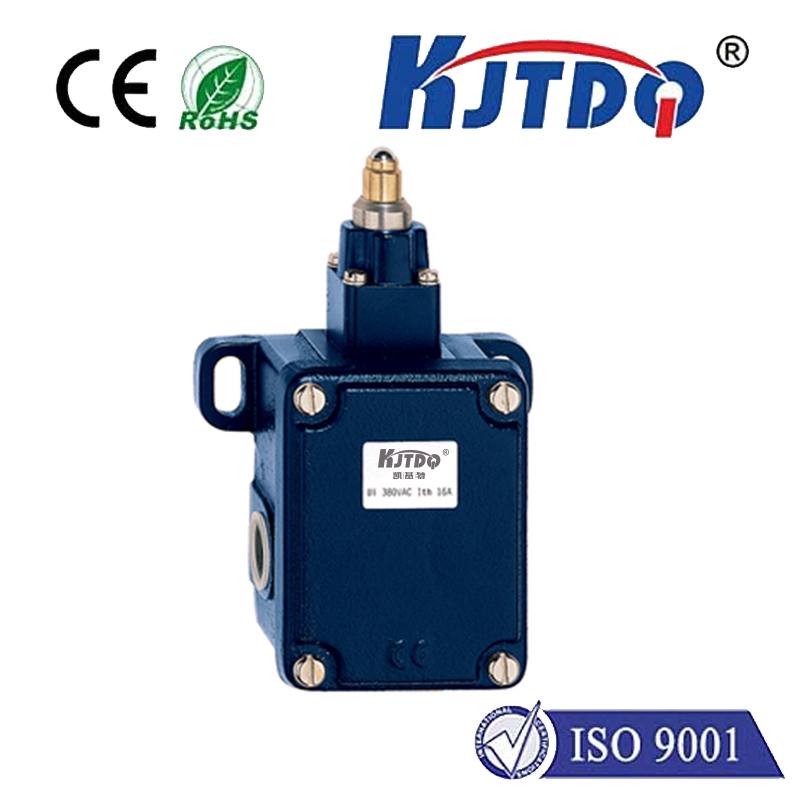
An SPDT limit switch is an electromechanical device designed to detect the presence or absence of an object, or to monitor the position of a machine part. The acronym SPDT stands for Single Pole, Double Throw. This configuration means the switch has one common terminal (the pole) and two other terminals. The common terminal can connect to either of the two other terminals, but never to both simultaneously. This allows the switch to control two separate circuits or provide a changeover function from one circuit state to another based on physical actuation.
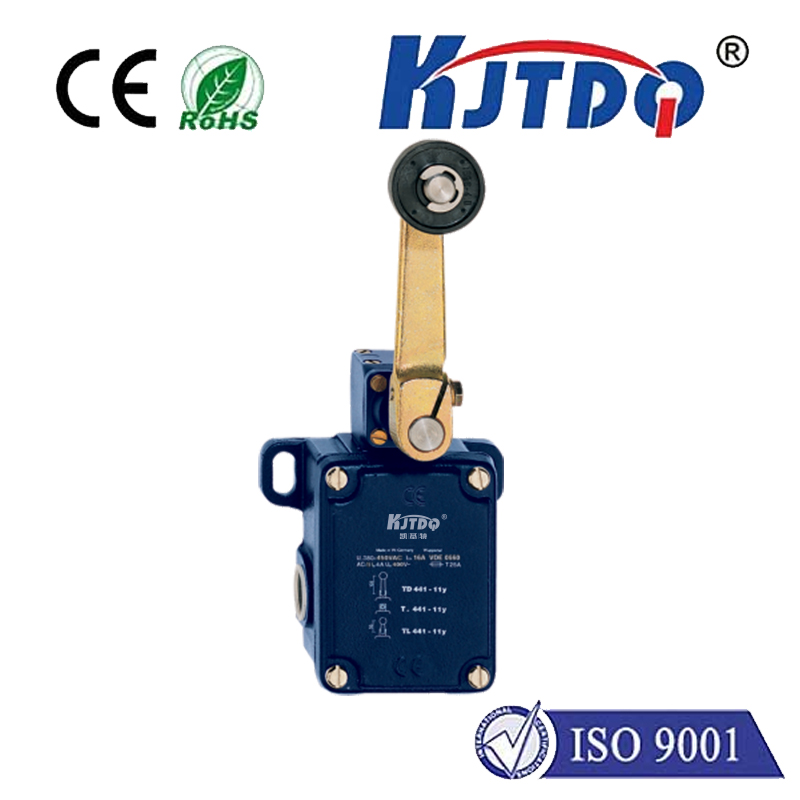
The core operation is straightforward. A mechanical actuator—such as a lever, roller, or plunger—is physically moved by the target object or machine part. This movement internally shifts the electrical contacts, opening or closing circuits. For instance, in one position, the common terminal connects to Terminal A, completing Circuit 1. When actuated, it breaks from Terminal A and connects to Terminal B, breaking Circuit 1 and completing Circuit 2. This makes SPDT switches incredibly versatile for signaling, interlocking, and sequential control tasks.
The applications of SPDT limit switches are vast and varied across industries. In manufacturing assembly lines, they are used to detect when a product is in the correct position for the next operation, such as drilling or welding. In material handling, they serve as end-of-travel sensors for cranes, conveyors, and elevators, preventing overtravel and potential damage. Packaging machinery relies on them to count items or confirm the closure of a lid. Within automated doors and gates, they confirm whether the door is fully open or securely closed, ensuring safety. Their robust construction, often featuring metal housings and sealed designs, makes them suitable for harsh environments with dust, moisture, and vibration.
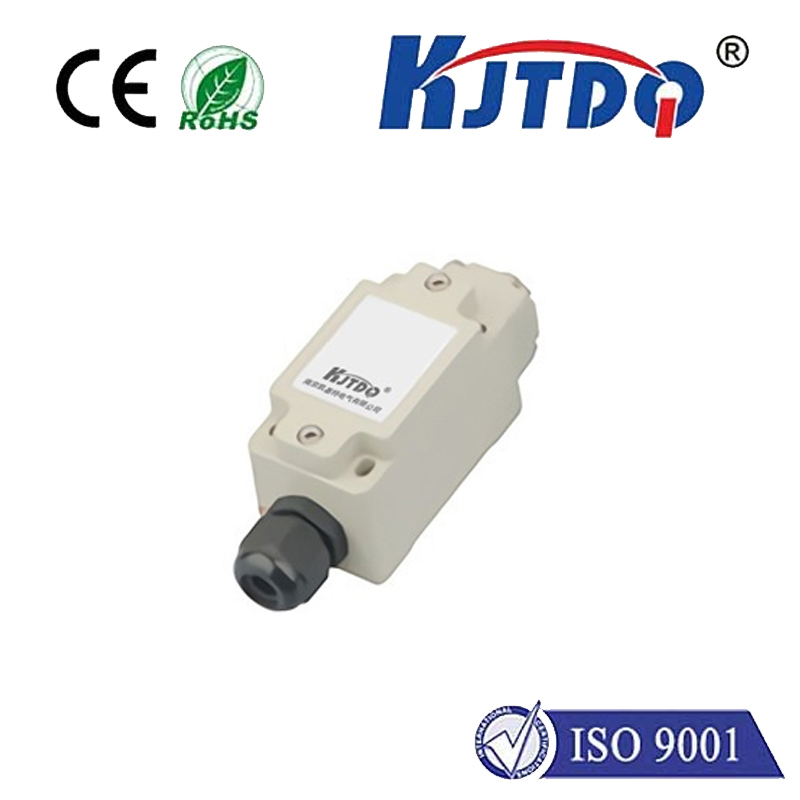
When selecting an SPDT limit switch for a specific application, several key factors must be considered. The electrical rating, including voltage and current (both AC and DC), must match the control circuit requirements to prevent switch failure. The actuator type is crucial; a roller lever might be ideal for sensing moving objects from the side, while a plunger is better for direct, linear actuation. The housing material, typically metal or high-grade plastic, should withstand the environmental conditions, including temperature extremes, potential chemical exposure, and ingress protection (IP) ratings for dust and water resistance. Operational life, measured in mechanical and electrical cycles, indicates durability under repeated use. Finally, the switching configuration itself—SPDT—is chosen when a single sensing point needs to provide two distinct control signals, such as turning one device off while turning another on.
Installation and maintenance are straightforward but vital for longevity. The switch must be mounted securely to avoid misalignment that could cause false triggering or failure to actuate. The actuator should engage smoothly with the target without excessive force. Regular inspection for physical damage, wear on the actuator, and cleanliness of the contact area is recommended. Testing the electrical continuity with a multimeter can verify proper operation during routine maintenance checks.
Compared to proximity sensors, which detect objects without physical contact, SPDT limit switches offer distinct advantages. They are generally less expensive, highly resistant to electrical noise, and provide a definitive physical feedback that is sometimes preferred for safety-critical applications. Their simplicity translates to easy troubleshooting and replacement. While modern solid-state sensors offer higher speeds and no moving parts, the mechanical robustness and cost-effectiveness of the SPDT limit switch ensure its continued prevalence in countless industrial settings.
In conclusion, the SPDT limit switch remains an indispensable component in control systems. Its simple yet effective design provides a reliable method for translating mechanical motion into electrical control signals. Understanding its operation, specifications, and ideal applications empowers professionals to design safer, more efficient, and more reliable automated systems. From simple machine guarding to complex sequential processes, the humble SPDT limit switch performs a duty that is foundational to industrial automation.