check

check

check

check

check

check
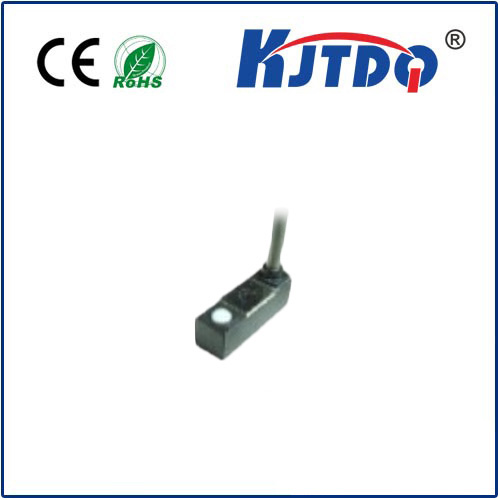
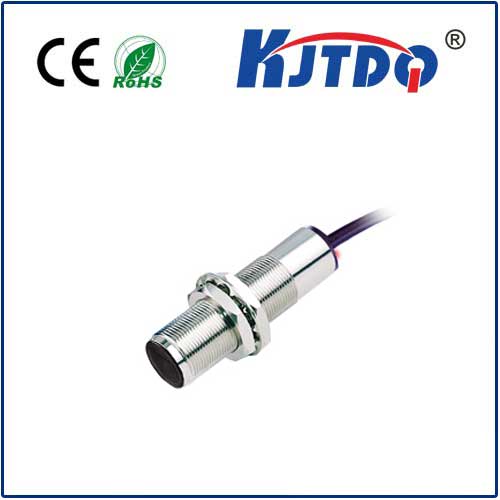
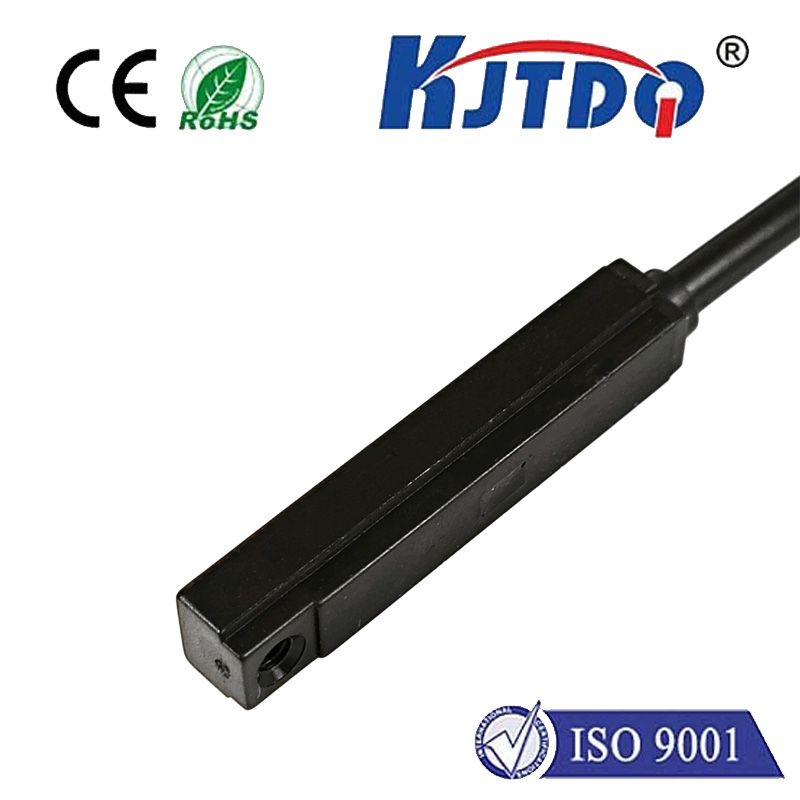
In the dynamic landscape of industrial automation, precision, reliability, and safety are non-negotiable. Among the myriad of components that ensure seamless operations, the optical limit switch stands out as a critical player. This technology, often abbreviated in specific contexts as KJTDQ, represents a sophisticated leap from traditional mechanical limit switches, offering unparalleled accuracy and durability in controlling machinery movement and position.
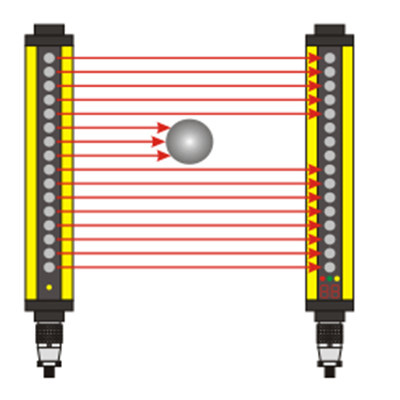
An optical limit switch operates on a simple yet highly effective principle: it uses a light source, typically an LED, and a photoelectric sensor to detect the presence or absence of an object. When an object interrupts the light beam between the emitter and receiver, the switch triggers a signal. This non-contact method of detection is its core advantage. Unlike mechanical switches that rely on physical actuation, optical switches suffer no wear and tear from repeated contact, leading to a significantly longer operational lifespan and reduced maintenance costs. This makes them ideal for high-speed applications or environments with frequent cycling, where mechanical switches would quickly degrade.
The integration of KJTDQ optical limit switches into automated systems brings transformative benefits. Firstly, their precision is exceptional. They can detect objects with minute accuracy, down to sub-millimeter levels, ensuring that machinery stops or starts at the exact required position. This is crucial in processes like CNC machining, robotic assembly lines, and packaging systems, where even a slight misalignment can lead to product defects or operational delays. The high repeatability of optical switches guarantees consistent performance batch after batch.
Secondly, safety receives a substantial boost. In safety-critical applications, such as guarding hazardous machine zones or ensuring elevator door operation, the fail-safe nature of certain optical switch designs is vital. A "through-beam" type, where the emitter and receiver are separate units, can be configured so that a broken beam indicates an unsafe condition, immediately halting machinery. This proactive approach to safety helps prevent accidents and protects both personnel and equipment.
Furthermore, the versatility of optical limit switches is remarkable. They are available in various form factors and sensing modes to suit diverse challenges. The diffuse reflective type, for instance, uses a single unit that both emits and receives light reflected off a target, perfect for detecting objects at a specific distance. The retro-reflective type employs a reflector to bounce the beam back, effective over longer ranges. This adaptability allows engineers to specify the perfect KJTDQ switch for applications ranging from detecting transparent bottles on a conveyor to positioning a robotic arm in a cleanroom environment.
Durability in harsh conditions is another forte. Modern optical limit switches are housed in robust enclosures with high Ingress Protection (IP) ratings, making them resistant to dust, moisture, oils, and corrosive chemicals. This resilience ensures reliable performance in challenging settings like food processing plants, automotive manufacturing, and outdoor logistics, where environmental factors would incapacitate less robust components.
The shift towards Industry 4.0 and smart manufacturing further amplifies the value of optical limit switches. Many advanced models now come with IO-Link capability or other digital communication protocols. This allows for not just simple on/off signals but the transmission of detailed diagnostic data—such as signal strength, operating temperature, and contamination levels—to a central control system. This predictive maintenance capability enables operators to address potential issues before they cause downtime, optimizing overall equipment effectiveness (OEE).
In conclusion, the optical limit switch, particularly in its advanced KJTDQ implementations, is far more than a simple sensor. It is a cornerstone of modern industrial automation, driving efficiency, ensuring uncompromising safety, and enabling the high-precision demands of contemporary manufacturing. By choosing the right optical limit switch for an application, businesses invest in smoother operations, lower long-term costs, and a foundation for future technological integration. As automation continues to evolve, the role of these precise, reliable, and intelligent devices will only become more central to achieving operational excellence.