check

check

check

check

check

check
For homeowners and HVAC professionals alike, the smooth operation of a Miller furnace is paramount for comfort and safety. At the heart of this reliable operation lies a small yet critical component: the furnace limit switch. This safety device acts as the furnace's guardian, preventing overheating and potential damage to the system or your home. Understanding its function, recognizing signs of failure, and knowing the steps for troubleshooting and replacement are crucial for maintaining an efficient and safe heating system.
The primary role of the Miller furnace limit switch is to monitor the temperature inside the furnace's heat exchanger. It is a temperature-activated switch that remains open under normal operating conditions, allowing the furnace to run its heating cycle. When the furnace operates, the burners generate heat, which is transferred to the heat exchanger. The blower motor then circulates warm air through the ductwork. The limit switch constantly checks the temperature. If the temperature rises to an unsafe level—often due to a restricted airflow from a dirty filter, blocked vents, or a failing blower motor—the switch "opens" or trips. This action immediately shuts off the burner to prevent the heat exchanger from cracking or causing other hazardous conditions. Once the temperature cools down to a safe threshold, the switch closes again, allowing the furnace to resume normal operation. This cycle protects the system's integrity.
Several symptoms can indicate a problematic Miller furnace limit switch. The most common sign is short cycling, where the furnace turns on for a few minutes, then shuts off, and repeats this process frequently without adequately heating the home. This happens because the switch trips prematurely due to a faulty sensor or because it is constantly sensing an overheat condition. Another clear indicator is the furnace not starting at all. If the switch fails in the open position, it will break the circuit to the ignition system, preventing the furnace from initiating a heating cycle. You might also notice that the blower fan runs continuously, even when the burner is off, or conversely, that the blower does not turn on at all, leading to rapid overheating. Before concluding the switch is faulty, it's essential to rule out other common issues. Always start by checking and replacing a dirty air filter, as this is the most frequent cause of airflow problems that trigger the limit switch. Ensure all supply and return vents are open and unblocked. Verify that the blower motor is operating correctly and that the furnace's interior is clean and free of debris.
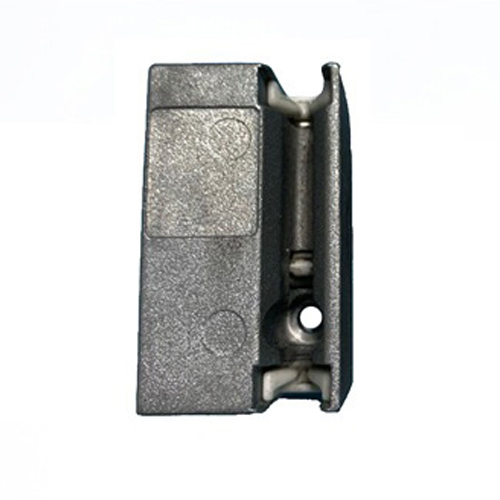
If basic checks don't resolve the issue, testing the limit switch is the next step. Warning: Always turn off the electrical power to the furnace at the main service panel before performing any inspection or testing. Locate the limit switch, which is typically found on the plenum or heat exchanger assembly. It is a small, rectangular metal component with a temperature sensor protruding into the airflow. Using a multimeter set to measure resistance (ohms), you can test it. Disconnect the wires from the switch terminals. At room temperature, a functioning limit switch should show continuity (low or zero resistance). To test its open function, you can carefully apply gentle heat from a hairdryer to the sensor; the resistance should become infinite (open circuit) as it heats. If the switch does not behave as expected—showing no continuity when cool or failing to open when heated—it is likely defective and requires replacement.
Replacing a Miller furnace limit switch is a straightforward task for those with basic technical skills, but if you are unsure, consulting a certified HVAC technician is strongly recommended. After ensuring the power is off, remove the wires from the old switch, noting their positions or taking a photo for reference. Unscrew the mounting bracket, remove the old switch, and install the new, identical replacement part. It is critical to use the exact model specified for your Miller furnace unit, as switches have specific temperature ratings and configurations. Reattach the wires securely, restore power, and test the furnace operation. A new, properly functioning limit switch will restore safety and efficient cycling to your Miller furnace, ensuring reliable heat for seasons to come. Regular maintenance, including filter changes and annual professional inspections, remains the best strategy to prevent limit switch issues and extend the life of your entire heating system.