check

check

check

check

check

check
In the intricate world of industrial machinery and automation, safety and precision are non-negotiable. Among the myriad components that ensure these critical parameters, the brake limit switch stands as a silent yet indispensable guardian. This device, often overlooked, plays a pivotal role in controlling the motion of machinery, particularly in systems involving cranes, elevators, hoists, and various material handling equipment. Its primary function is to monitor and limit the travel of a moving part, activating a brake or halting operation when a preset limit is reached, thereby preventing over-travel, collisions, and potential catastrophic failures.
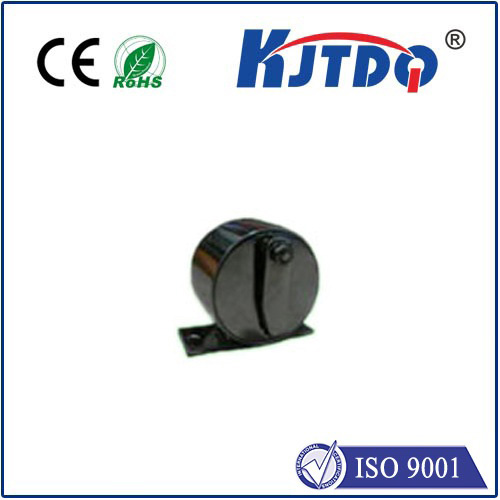
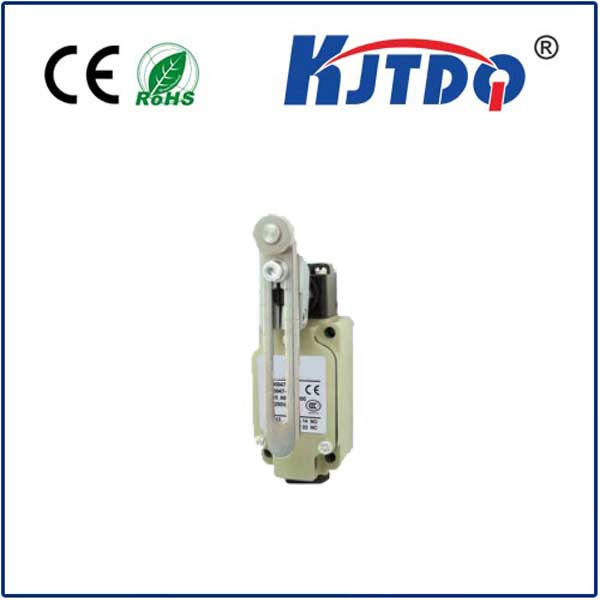
At its core, a brake limit switch is an electromechanical device. It typically consists of an actuator—like a lever, roller, or plunger—mechanically linked to a set of electrical contacts. This assembly is strategically installed at the desired endpoints of a machine's movement path. As the moving component, such as a crane trolley or elevator car, approaches its operational boundary, it physically engages the switch's actuator. This engagement triggers a change in the state of the internal electrical contacts. This signal is instantly transmitted to the machine's control system, which then commands the brake mechanism to engage or cuts power to the drive motor, bringing the movement to a controlled and safe stop.
The importance of this function cannot be overstated. Without a reliable brake limit switch, a crane hook could crash into its end stop, damaging the structure and the load. An elevator could overshoot its floor, jeopardizing passenger safety. In automated production lines, precise positioning is key, and limit switches ensure that robotic arms or conveyors stop exactly where needed, maintaining workflow integrity and product quality. They are the final, fail-safe barrier against mechanical runaway, forming a critical layer in a machine's overall safety protocol.
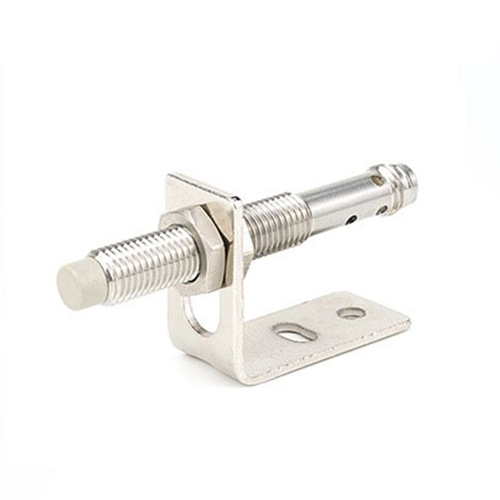
Choosing the right brake limit switch involves careful consideration of several factors. The industrial environment is harsh, with exposure to dust, moisture, vibrations, and extreme temperatures. Therefore, switches with robust enclosures rated by standards like IP (Ingress Protection) or NEMA are essential for longevity. The type of actuator—whether lever, roller, or wobble stick—must be selected based on the direction and nature of the mechanical contact. Furthermore, the electrical ratings (voltage, current) must match the control circuit requirements. For high-cycle applications, durability and contact life are paramount. Modern advancements have also introduced proximity sensors and magnetic reed switches as non-contact alternatives for certain applications, offering higher precision and reduced mechanical wear.
Regular inspection and maintenance are crucial to ensure the brake limit switch performs its life-saving duty consistently. Technicians should routinely check for physical damage to the actuator and housing, ensure secure mounting, and verify the alignment with the moving part. The electrical connections must be tight and free from corrosion. Periodic functional testing, where the machine is slowly run towards the limit to confirm the brake engages promptly, is a standard safety practice. A failed or misadjusted limit switch is a significant hazard, often leading to emergency downtime and costly repairs, not to mention safety risks.
In conclusion, the brake limit switch is far more than a simple on-off device. It is a fundamental component of industrial safety engineering, seamlessly blending mechanical action with electrical control to enforce operational boundaries. Its reliable operation protects expensive capital equipment, ensures the safety of personnel, and upholds the efficiency of automated processes. For engineers, maintenance teams, and safety officers, a deep understanding of its function, selection criteria, and upkeep is essential. In the relentless drive for industrial productivity, the humble brake limit switch remains a key player in ensuring that progress never comes at the expense of safety and control.