check

check

check

check

check

check
The Armstrong furnace high limit switch is a critical safety component in residential and commercial heating systems. Designed to monitor temperature levels within the furnace, this device automatically shuts off the burner if the internal temperature exceeds a safe threshold. This prevents overheating, which can lead to equipment damage, reduced efficiency, or even hazardous situations like fires. Homeowners and HVAC technicians often encounter issues related to the high limit switch, such as frequent cycling, unexpected shutdowns, or failure to start. Understanding its function, common problems, and maintenance tips can help ensure your Armstrong furnace operates safely and reliably.
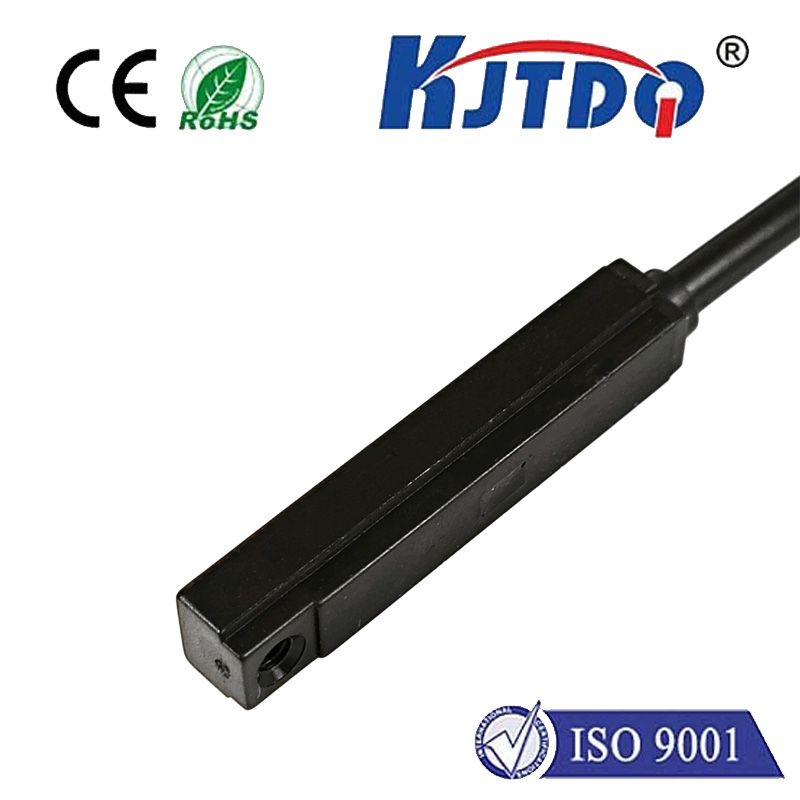
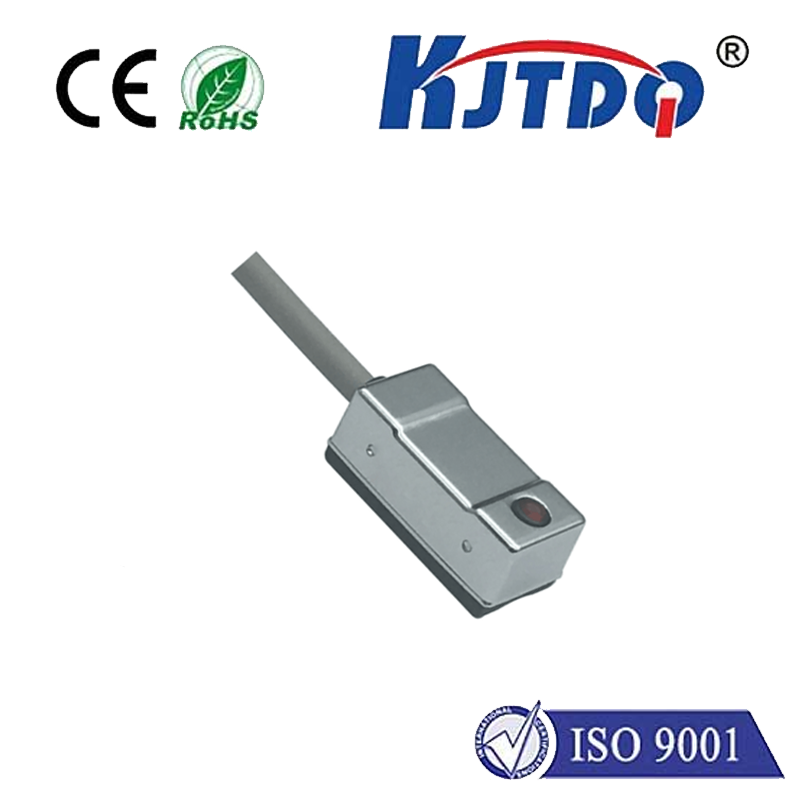
Typically located near the heat exchanger, the high limit switch consists of a temperature-sensitive metal strip or sensor that expands or contracts with heat changes. When the furnace reaches an unsafe temperature, the switch interrupts the electrical circuit to the gas valve or ignition system, halting operation until the unit cools down. This mechanism not only protects the furnace components but also aligns with building safety codes. Regular inspection of the switch is essential, especially before the heating season, to avoid disruptions during cold weather.
Common symptoms of a faulty high limit switch include the furnace turning off prematurely, blowing cold air, or not starting at all. These issues may stem from a dirty air filter, blocked vents, or a malfunctioning blower motor, which cause overheating and trigger the switch. In some cases, the switch itself may wear out due to age or electrical surges. To diagnose problems, check for error codes on the furnace control board or use a multimeter to test the switch’s continuity. If the switch fails to reset or shows no electrical flow, replacement is usually necessary.
Replacing an Armstrong furnace high limit switch requires basic tools and safety precautions. First, turn off the power and gas supply to the furnace. Locate the switch, often held by screws or clips, and disconnect its wires. Install a new switch with matching specifications, ensuring proper alignment and secure connections. After reassembly, restore power and test the furnace. It’s advisable to consult the Armstrong furnace manual or hire a certified HVAC professional for complex repairs, as incorrect installation can void warranties or create safety risks.
Preventive maintenance can extend the life of the high limit switch and the entire furnace system. Replace air filters every 1-3 months to ensure adequate airflow, clean vents and ducts annually, and schedule professional tune-ups. Keeping the area around the furnace clear of debris also reduces overheating risks. Investing in a programmable thermostat can help regulate temperature cycles, minimizing strain on the switch. By prioritizing these steps, users can enhance efficiency, lower energy bills, and avoid costly repairs.
In summary, the Armstrong furnace high limit switch plays a vital role in maintaining safe and efficient heating. Awareness of its operation, troubleshooting methods, and upkeep practices empowers homeowners to address issues proactively. For persistent problems or uncertainties, seeking expert assistance ensures optimal performance and peace of mind during winter months.