check

check

check

check

check

check
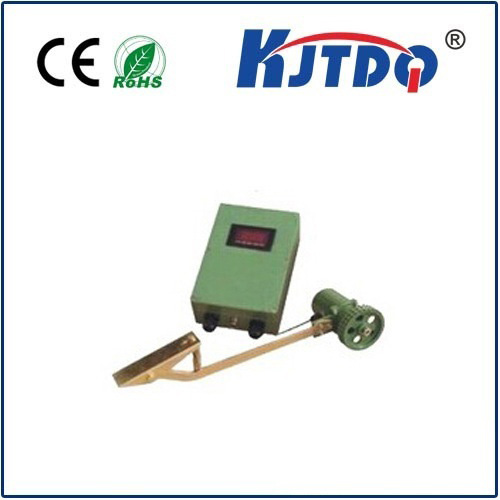
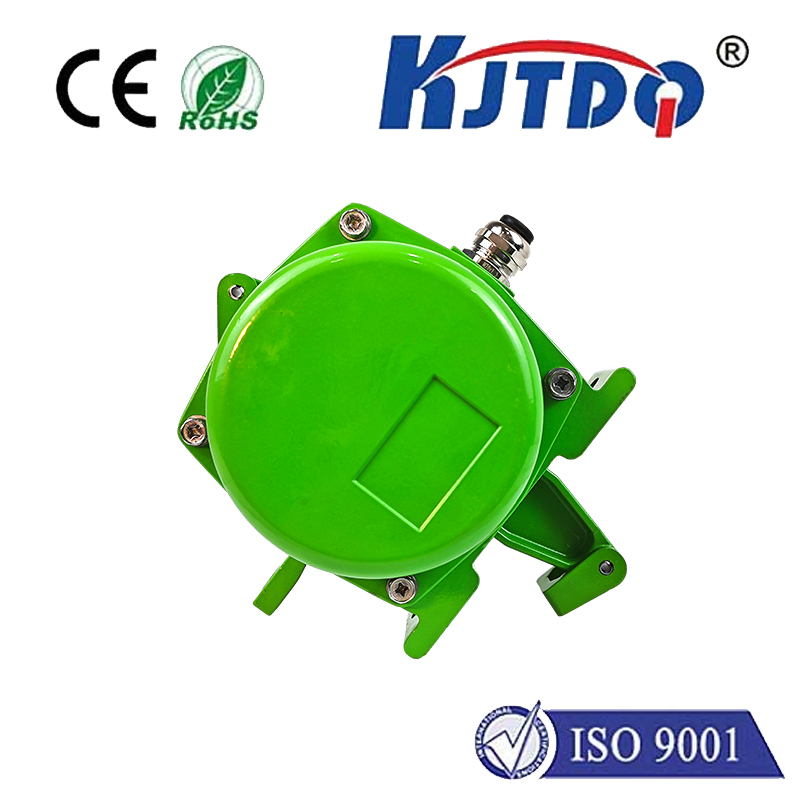
In the demanding world of industrial material handling, cranes are the workhorses that move massive loads with precision. The safety and reliability of these giants hinge on a multitude of components working in perfect harmony. Among the most critical, yet often overlooked, is the rotary limit switch. Specifically designed for crane applications, a rotary limit switch for crane systems acts as an intelligent sentinel, preventing over-travel and ensuring operational boundaries are never breached.
Unlike simple proximity sensors, a rotary limit switch is mechanically coupled to the crane's motion, typically through a gear system connected to the hoist or trolley drive shaft. As the crane moves, the switch's internal camshaft rotates. Precisely adjusted cams on this shaft activate or deactivate electrical contacts at predetermined points in the travel path. This direct mechanical linkage provides unparalleled accuracy and repeatability in defining limit positions for hoisting, lowering, and traversing motions. For instance, it can be set to cut power to the hoist motor at the absolute upper and lower limits, providing a fail-safe mechanical stop that is independent of the primary control system. This dual-layer protection is paramount for preventing catastrophic events like two-blocking (when the hook block contacts the boom tip) or over-lowering a load.
The operational environment for crane equipment is notoriously harsh, involving exposure to dust, moisture, temperature extremes, and constant vibration. A high-quality rotary limit switch for crane use is engineered to withstand these conditions. Robust enclosures with high IP (Ingress Protection) ratings shield internal components from contaminants. The mechanical design emphasizes durability, with hardened gears and shafts to resist wear over millions of cycles. This resilience translates directly into reduced downtime and lower long-term maintenance costs, as these switches require minimal attention once properly installed and calibrated.
Modern advancements have further enhanced the functionality of these devices. While traditional drum-style rotary limit switches remain highly effective and valued for their simplicity and reliability, newer electronic versions offer added features. Some models integrate absolute encoders to provide real-time position feedback to the crane's programmable logic controller (PLC), enabling not just limit switching but also programmable slow-down points and mid-travel position control. This integration allows for smoother, more automated crane cycles, optimizing workflow and further enhancing safety by preventing abrupt stops. Whether electromechanical or electronic, the core mission remains: to provide a definitive, reliable end-of-travel signal.
Selecting the right rotary limit switch requires careful consideration of several factors. The number of control circuits needed—for main limits, auxiliary limits, or sequential control—determines the required number of cams and contacts. The gear ratio must be matched to the crane's travel distance to ensure the switch provides the necessary resolution. Environmental specifications, such as temperature range and hazardous location certifications (like ATEX for explosive atmospheres), are also critical. Proper installation and meticulous calibration are the final, crucial steps. Technicians must set the cams with precision to align with the crane's physical limits, often verifying settings through multiple test cycles.
In conclusion, the rotary limit switch is far more than a simple accessory; it is a fundamental safety device embedded in the control architecture of overhead cranes, gantry cranes, and jib cranes. Its role in enforcing hard travel limits protects not only the crane structure and the load but, most importantly, the personnel working in the vicinity. By ensuring precise, repeatable, and fail-safe operation, the rotary limit switch for crane systems upholds the highest standards of industrial safety and operational efficiency, proving that in heavy lifting, the most intelligent control often comes from a reliably mechanical heart.