check

check

check

check

check

check
In the realm of precision motion control, particularly for applications like 3D printers, CNC machines, and automated robotics, the integration of limit switches with motor drivers is a fundamental requirement. This setup ensures operational safety, defines a known home position, and prevents mechanical damage from over-travel. The AccelStepper library for Arduino provides a powerful and flexible framework for controlling stepper motors, and combining it with limit switches significantly enhances system reliability. This guide details a practical approach to implementing limit switch functionality with AccelStepper, moving beyond basic theoretical concepts to actionable implementation.
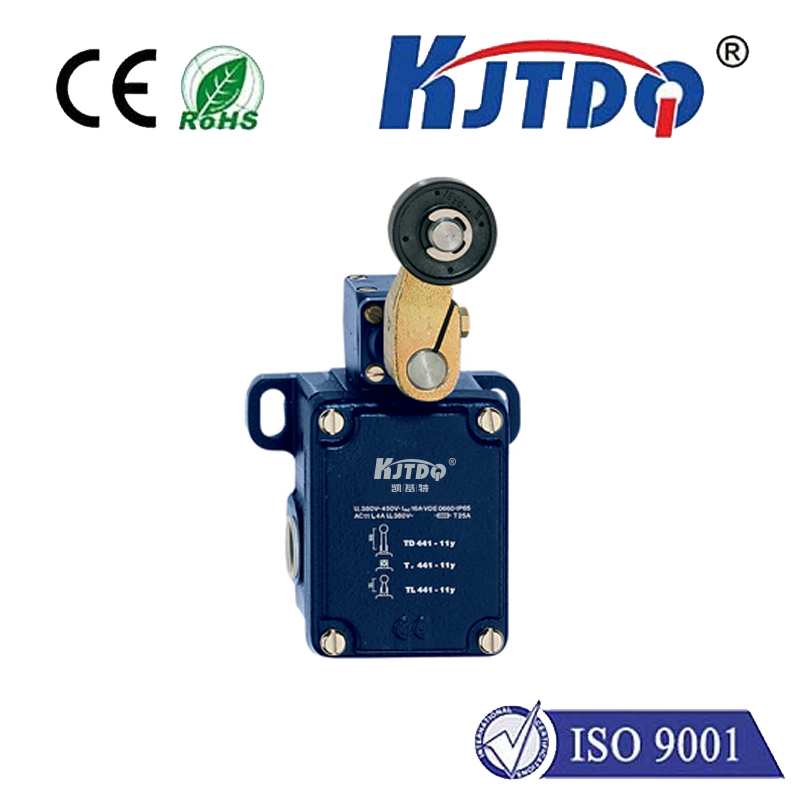
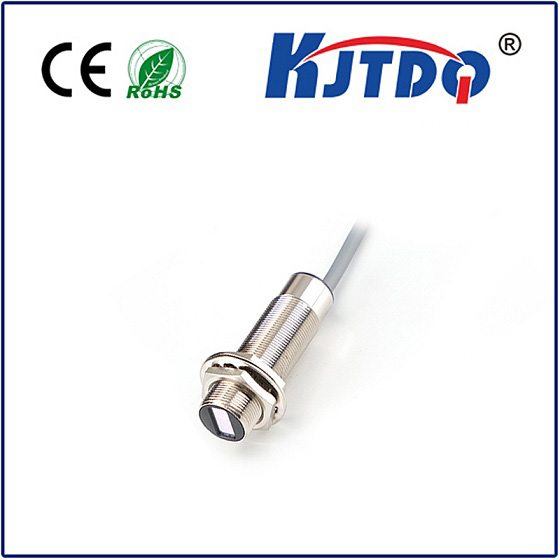
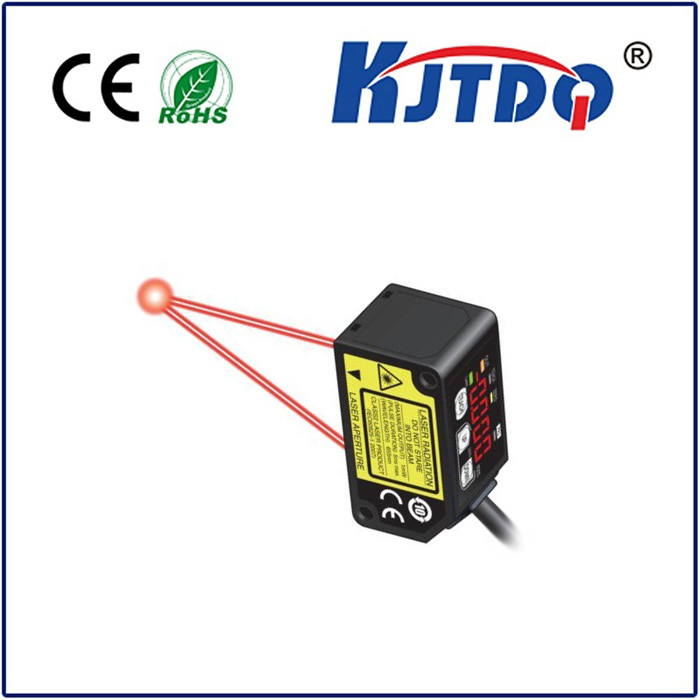
The core principle involves using the Arduino's digital input pins to monitor the state of mechanical or optical limit switches. These switches are typically positioned at the desired limits of an axis. When the moving part contacts the switch, it changes the electrical state read by the Arduino pin, signaling that the limit has been reached. The most common and reliable configuration is to use a "normally open" switch that closes upon contact, pulling the input pin to a known logic level (e.g., LOW when connected to ground through the switch). An internal or external pull-up resistor is used to keep the pin at a HIGH state when the switch is not activated.
Within the main program loop, the state of these limit switch pins is continuously polled. The real intelligence lies in how the AccelStepper library's commands are managed based on this input. A robust implementation does not merely stop the motor upon a limit trigger; it incorporates a homing routine. A typical homing sequence involves moving the motor slowly towards the limit switch until it is activated. Once triggered, the motor stops immediately. To account for switch bounce and ensure accuracy, the system often then reverses direction at a very slow speed, moving away from the switch until it is released. The position at the point of release is then reliably set as the "home" or zero position usingstepper.setCurrentPosition(0). This process guarantees repeatable positioning.
For operational limits during normal movement, the code must include checks *before* issuing a movement command that could cause an over-travel. For instance, if the current position is near a physical limit and a command is given to move beyond it, the software should prevent that movement or initiate a controlled stop. This is a proactive safety measure. However, as a fail-safe, it is also critical to have an interrupt-driven or very fast loop-based check that halts the AccelStepper motor instantly if a limit switch is activated during any motion, using thestepper.stop() function. This dual-layer approach—preventive logic and reactive stopping—forms the bedrock of a safe system.
One must also consider the mechanical realities. Switch placement, actuation force, and repeatability affect the entire system's precision. Debouncing the switch input in software, through simple timing delays or more advanced algorithms, is non-negotiable to prevent false triggers from electrical noise or physical vibration. Furthermore, the acceleration and speed settings in AccelStepper (setMaxSpeed,setAcceleration) for the homing routine must be set conservatively. A slow homing speed ensures the motor does not overshoot the switch or exert excessive force on the mechanical end-stop, leading to longer component life.
Implementing this with AccelStepper requires a structured code architecture. The setup function initializes the pin modes for the switches and the stepper motor interface. The main loop typically manages different states: a "homing state," a "moving to target state," and an "idle state." The AccelStepper library'srun() function is called frequently to execute the commanded steps. By cleanly separating the logic for monitoring switches from the motor control logic, the code remains maintainable and easier to debug. For multi-axis systems, this logic must be extended to each axis independently, often requiring careful management of concurrent homing sequences.
In conclusion, the marriage of the AccelStepper library with limit switches transforms a simple stepper motor into a smart, safe, and repeatable positioning actuator. The key to success lies in robust electrical connections, thoughtful software logic that includes a precise homing sequence, and comprehensive safety checks for both routine operation and emergency stops. By adhering to these practical steps, developers and hobbyists can build motion control systems that are not only functional but also durable and reliable for demanding applications, ensuring consistent performance over thousands of cycles.