check

check

check

check

check

check
In the demanding world of industrial material handling, the efficiency and safety of operations hinge on the reliability of every component. Among these, the Electric Overhead Traveling (EOT) crane stands as a workhorse in workshops, warehouses, and construction sites. A critical yet often understated component that ensures the seamless and safe functioning of these cranes is the rotary limit switch. Specifically designed for EOT cranes, this device plays a pivotal role in controlling the crane's travel and hoisting motions, preventing over-travel and potential catastrophic failures.
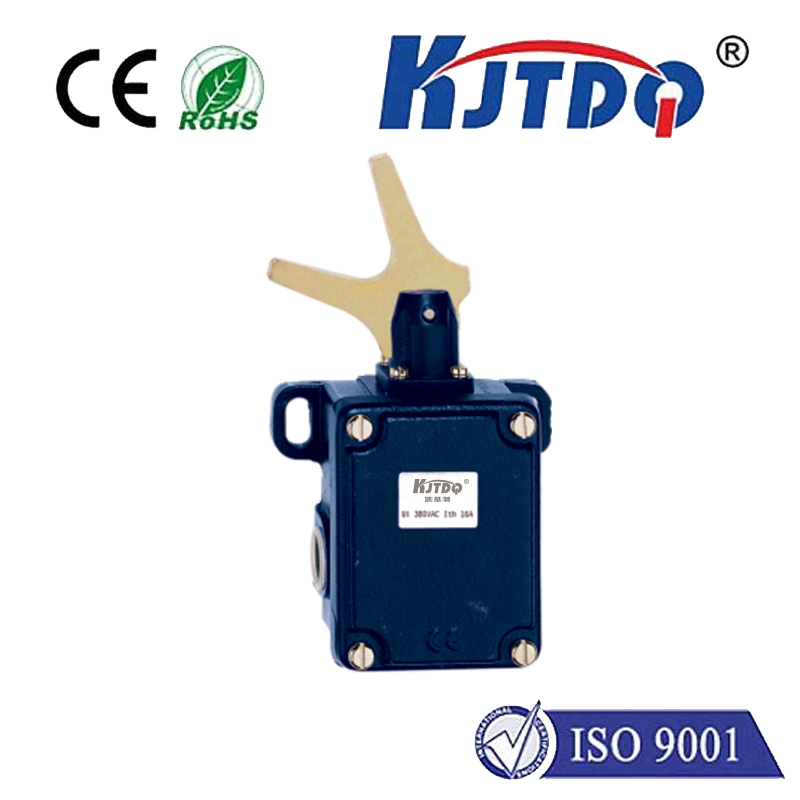
A rotary limit switch for an EOT crane is an electromechanical device that monitors the rotational movement of the crane's mechanisms, such as the travel of the bridge or the trolley, and the lifting and lowering of the hook. It functions by being mechanically linked to the moving part of the crane. As the crane operates, this linkage causes the switch's shaft to rotate. Pre-set cams mounted on this shaft activate or deactivate electrical contacts at precisely defined points in the rotation. These actions send signals to the crane's control system to start, stop, or reverse the motor, thereby defining the limits of motion for each function.
The primary purpose of installing a high-quality rotary limit switch is to enforce operational boundaries. For instance, it prevents the crane's trolley from crashing into the end stops of the bridge girder or the hook block from over-hoisting and damaging the hoist mechanism. This not only protects the crane's physical structure from impact damage and reduces wear and tear on mechanical parts but, more importantly, safeguards personnel working in the vicinity and the loads being handled. In environments where precision positioning is crucial, such as in assembly lines or when handling delicate materials, the accuracy of these switches ensures that loads are placed exactly where intended, enhancing overall productivity.
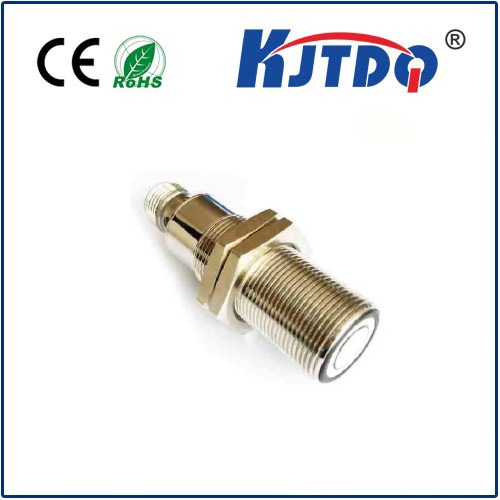
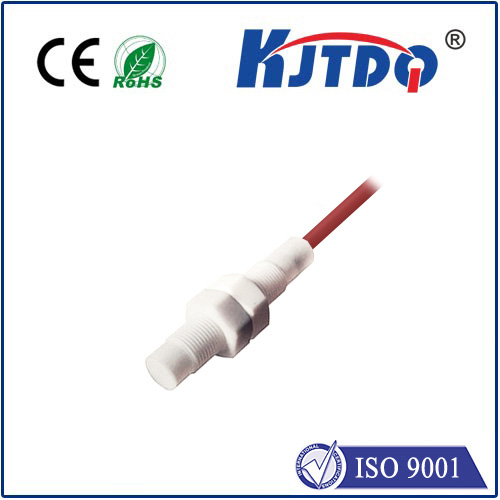
Modern rotary limit switches for EOT cranes have evolved significantly. While traditional models are robust and highly reliable, newer versions offer enhanced features. These include sealed housings that protect internal components from dust, moisture, and oil—common contaminants in industrial settings. Some advanced models incorporate non-contact sensing technologies, like proximity sensors, which reduce mechanical wear and offer even higher precision and longevity. The design often allows for easy adjustment of the cam positions, enabling quick re-calibration of travel limits without the need for complex tools, thus minimizing downtime during maintenance or when crane duties change.
Selecting the right rotary limit switch requires careful consideration of several factors. The crane's duty cycle, the speed of operations, the required number of control points, and the environmental conditions are all critical. For heavy-duty cranes operating in harsh environments, a switch with a high ingress protection (IP) rating and durable construction is non-negotiable. Compatibility with the crane's existing control voltage and the mechanical interface for linkage are also essential technical details that must be addressed during selection and installation.
Proper installation and regular maintenance are key to realizing the full benefits of this safety device. It must be correctly aligned and securely linked to the crane's motion. Periodic inspections should check for any signs of physical damage, wear in the linkage, corrosion, or loose connections. The setting of the limit cams should be verified to ensure they haven't shifted. A well-maintained rotary limit switch is a reliable sentinel, operating silently in the background to provide consistent protection.
In conclusion, the rotary limit switch is far more than a simple accessory for an EOT crane; it is a fundamental safety and control device. Its role in preventing over-travel accidents, protecting equipment, and ensuring precise load handling is indispensable for any operation relying on overhead cranes. Investing in a reliable, appropriately specified rotary limit switch, and committing to its proper upkeep, is a direct investment in operational safety, asset protection, and long-term productivity. For facility managers and engineers, understanding and prioritizing this component is a crucial step in fostering a safe and efficient material handling environment.