check

check

check

check

check

check
In industries where dust, moisture, and extreme conditions are daily challenges, the reliability of every component is non-negotiable. Among these critical components, the humble micro switch often plays a pivotal role in control and safety systems. An IP67 micro switch stands out as a specialized guardian in these demanding settings. But what exactly does IP67 mean, and why is it becoming the standard for durability in switches?
The term "IP67" refers to a specific Ingress Protection rating defined by the International Electrotechnical Commission (IEC). The "IP" stands for Ingress Protection, and the two digits that follow indicate the level of protection against solids and liquids, respectively. The first digit, "6," signifies complete protection against dust ingress—it is dust-tight. The second digit, "7," indicates protection against the effects of temporary immersion in water up to 1 meter for 30 minutes. This rating is not merely a marketing term; it is a certified standard achieved through rigorous testing. A switch with an IP67 rating is engineered to withstand environments where ordinary switches would fail prematurely due to contamination or water exposure.
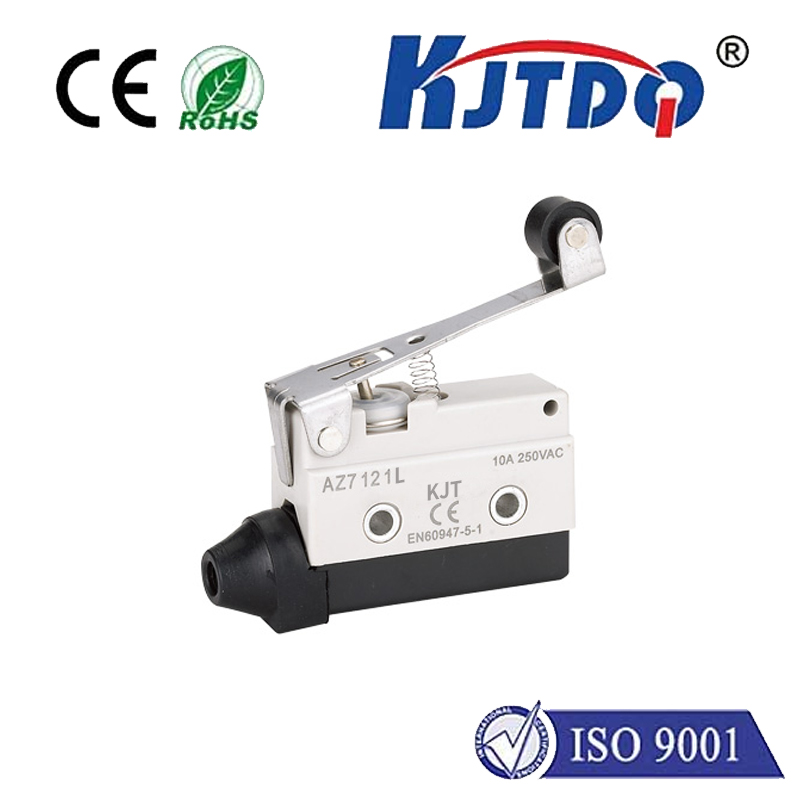
The construction of an IP67 micro switch is where its resilience begins. Typically, these switches feature a sealed housing made from robust materials like stainless steel or high-grade thermoplastics. The sealing involves gaskets, O-rings, or potting compounds that create a hermetic barrier at critical points such as the actuator, terminals, and housing seams. This sealing is crucial because the internal mechanism—a snap-action switch with a spring and contacts—is highly sensitive to foreign particles and moisture. Even a tiny amount of contamination can lead to contact corrosion, increased electrical resistance, or mechanical failure. By achieving an IP67 seal, manufacturers ensure the internal components remain isolated from the external environment, maintaining consistent electrical performance and a long operational life.
The applications for IP67 micro switches are vast and varied, spanning multiple sectors. In the automotive industry, they are used in door latch systems, brake pedals, and sensor controls, where exposure to road splash, dirt, and temperature fluctuations is common. Agricultural machinery relies on these switches for controls in tractors and harvesters that operate in dusty fields and may encounter rain. Industrial automation employs them on factory floors where washdowns with high-pressure hoses are routine for hygiene, such as in food processing or pharmaceutical manufacturing. Outdoor equipment, including utility enclosures, marine controls, and telecommunications infrastructure, also benefits from the protection offered by IP67-rated switches. In each case, the switch ensures reliable signal transmission and safety interlocking, preventing costly downtime or hazardous situations.
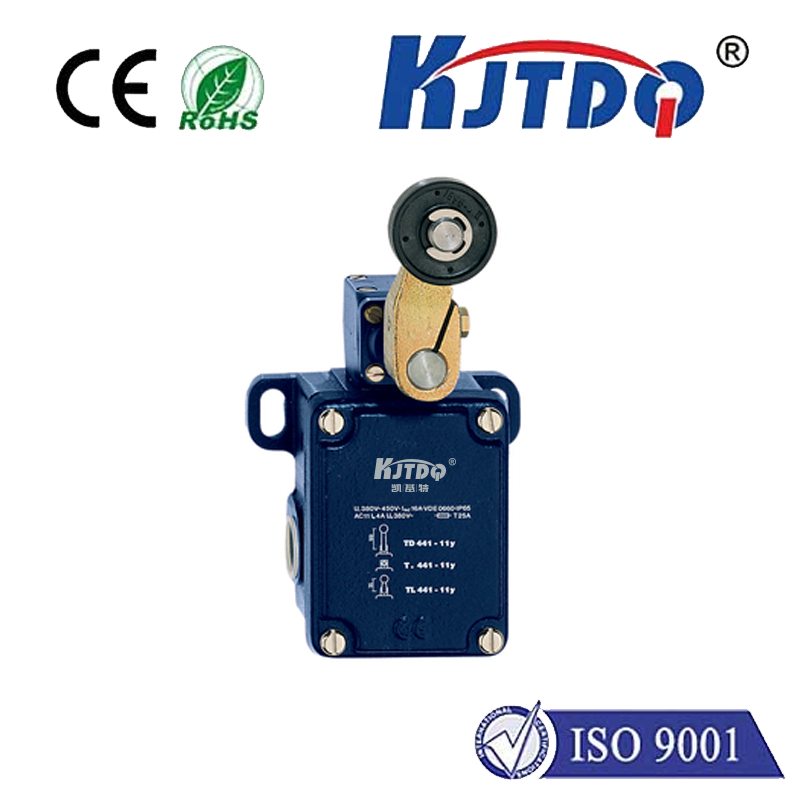
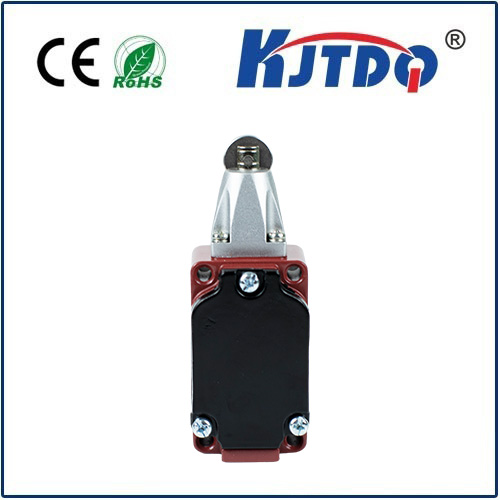
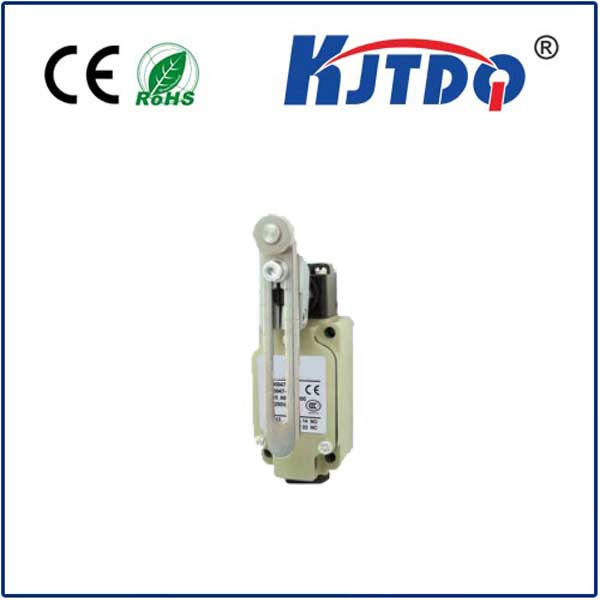
Selecting the right IP67 micro switch requires careful consideration of several parameters beyond just the ingress protection rating. Electrical ratings, including voltage, current (both AC and DC), and contact configuration (e.g., SPDT, SPST), must match the circuit requirements. The mechanical life expectancy, often rated in millions of cycles, indicates durability under repeated actuation. Actuator type is another critical factor; options may include lever, roller lever, plunger, or simulated roller plunger, each suited to different mechanical interactions. Operating force and travel distance affect how the switch integrates with the moving part it monitors. Additionally, certifications from standards bodies like UL, CSA, or VDE may be necessary for compliance in specific regions or industries. Consulting with a knowledgeable supplier or engineer can help navigate these specifications to find an optimal switch for a given application.
Installation and maintenance practices significantly influence the long-term performance of even the most robust IP67 micro switch. During installation, it is vital to ensure that the sealing surfaces are not compromised. This means avoiding over-tightening mounting hardware, which can warp the housing, or damaging the seal during cable gland attachment. The switch should be mounted in a way that minimizes stress on the actuator and housing. For maintenance, regular visual inspections can detect physical damage or seal degradation. While the sealed design generally prevents internal contamination, external buildup of grime should be cleaned gently to avoid forcing contaminants past the seals. It is also important to verify that the environmental conditions have not exceeded the switch's rated limits, such as prolonged submersion beyond the IP67 test parameters or exposure to chemicals not specified by the manufacturer.
The evolution of micro switch technology continues to push the boundaries of what is possible. While IP67 offers excellent protection, even higher ratings like IP68 (continuous immersion) or IP69K (high-pressure, high-temperature washdowns) are available for more extreme duties. Furthermore, advancements in materials science are leading to switches with better resistance to oils, fuels, and UV radiation. The integration of smart features, such as built-in diagnostics or connectivity for Industry 4.0 systems, is also emerging. However, the core principle remains: reliability in harsh environments starts with fundamental, proven protection. The IP67 micro switch embodies this principle, providing a balance of performance, durability, and cost-effectiveness that makes it a cornerstone of modern industrial design.
In conclusion, the IP67 micro switch is far more than just a switch with a protective cover. It is a meticulously engineered component designed to deliver unwavering performance where it matters most. From ensuring the safe operation of heavy machinery to enabling precise control in automated processes, its role is indispensable. By understanding its ratings, construction, and proper application, engineers and designers can leverage its capabilities to build systems that are not only functional but also resilient against the unpredictable elements of industrial and outdoor environments.