check

check

check

check

check

check
In industrial automation and control systems, limit switches play a crucial role in monitoring and controlling the movement of machinery. Among the various types available, the normally closed held open limit switch stands out for its specific functionality and reliability. This article delves into the working principle, applications, and benefits of this switch, with a focus on the KJTDQ model, to provide a comprehensive understanding for engineers and technicians.
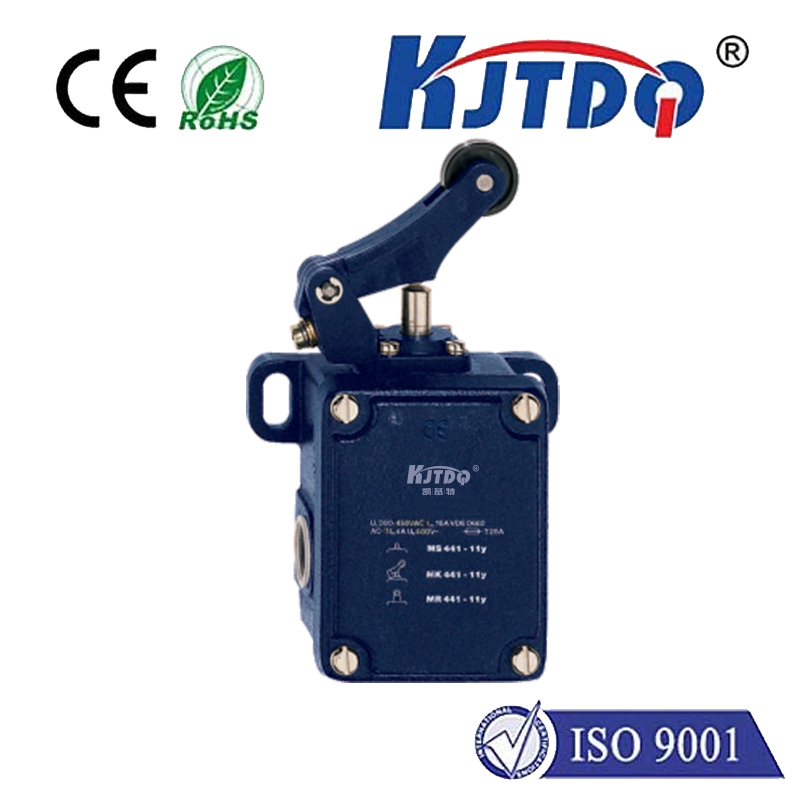
A normally closed held open limit switch is designed to maintain a closed circuit under normal conditions. However, when activated—typically by a mechanical actuator such as a cam, lever, or plunger—the switch opens the circuit, interrupting the flow of current. This action is essential for safety and control purposes, as it can stop a machine when it reaches a predetermined limit or position. The "held open" feature means the switch remains open as long as the actuator is engaged, ensuring continuous monitoring until the condition changes.
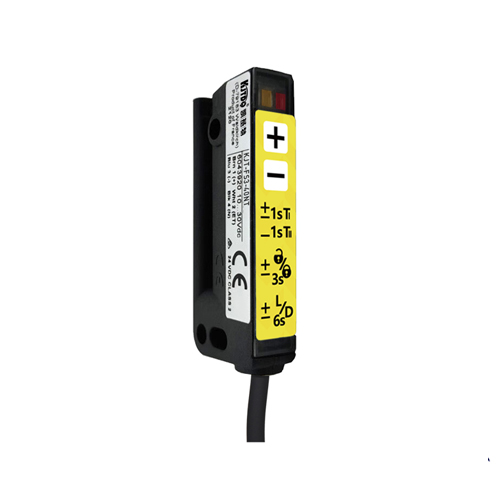
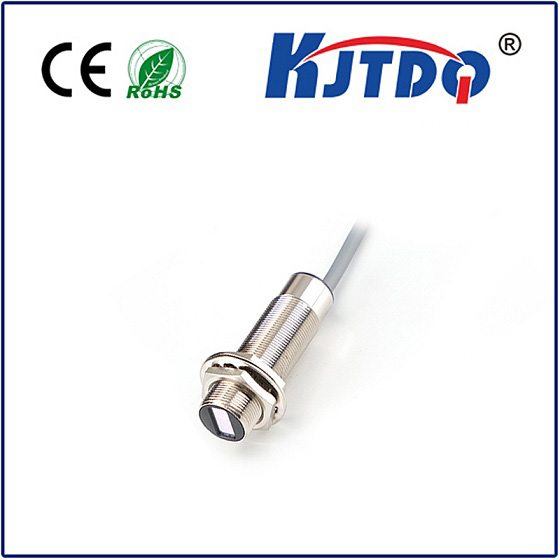
The KJTDQ model exemplifies this design with robust construction suitable for harsh industrial environments. It is built to withstand dust, moisture, and mechanical stress, making it ideal for applications in manufacturing, material handling, and automotive industries. For instance, in conveyor systems, the KJTDQ switch can be used to detect when a product has reached the end of a line, triggering a stop signal to prevent overtravel or damage. Similarly, in robotic arms, it ensures precise positioning by halting movement at exact points, enhancing accuracy and safety.
One key advantage of the normally closed held open configuration is its fail-safe nature. In the event of a power failure or wire breakage, the switch defaults to a closed state, which can be configured to trigger an alarm or shutdown, preventing unsafe operations. This reliability is critical in high-risk settings like elevators or heavy machinery, where unintended movements could lead to accidents. The KJTDQ switch incorporates durable contacts and a long mechanical life, reducing maintenance needs and downtime.
Installation and wiring of the KJTDQ switch are straightforward, thanks to its standardized mounting options and clear terminal markings. Users should ensure proper alignment with the actuator to avoid false triggers and wear. Regular inspection for physical damage or contamination is recommended to maintain optimal performance. Additionally, integrating the switch with programmable logic controllers (PLCs) allows for advanced automation, enabling real-time monitoring and data logging for predictive maintenance.
In summary, the normally closed held open limit switch, particularly the KJTDQ variant, is a vital component in modern industrial systems. Its ability to provide reliable, fail-safe control makes it indispensable for ensuring operational safety and efficiency. By understanding its mechanics and applications, professionals can better leverage this technology to optimize their processes and reduce risks. As industries continue to automate, such switches will remain at the forefront of innovation, driving productivity and safety standards forward.