check

check

check

check

check

check
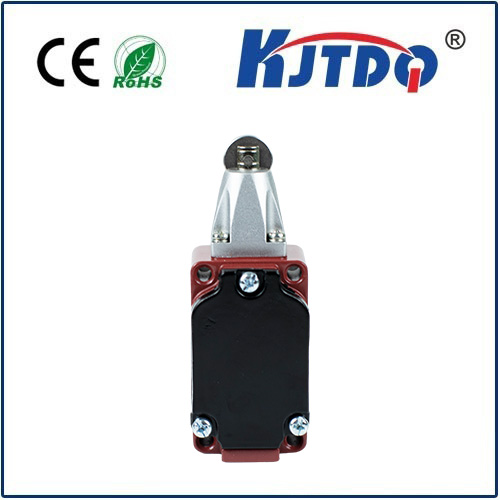
In industrial automation and machinery control, precision and reliability are non-negotiable. Among the myriad components ensuring operational safety and system integrity, the PMV limit switch stands out as a critical device. This specialized switch plays a pivotal role in monitoring and controlling the position or movement of equipment, often serving as a fundamental safety interlock or process control point. Unlike standard limit switches, the PMV variant is typically designed for specific applications involving pneumatic, hydraulic, or mechanical actuators where verifying the precise position of a valve or moving part is essential.
The core function of a PMV limit switch is to provide a clear electrical signal when a machine part reaches a predetermined limit. For instance, in a hydraulic press, the switch might confirm that the ram has fully retracted before the next cycle begins, preventing potential damage or hazardous situations. In conveyor systems, it can detect the presence or absence of an object, ensuring smooth material handling. The "PMV" designation often relates to its use with pneumatic or hydraulic valves (Pneumatic/Pilot-Operated Valve, Hydraulic Valve monitoring), where it confirms whether the valve is in the correct open, closed, or intermediate position. This verification is crucial in processes where incorrect valve positioning could lead to leaks, pressure buildups, or incomplete reactions, compromising both safety and product quality.
Constructed for durability, these switches are commonly housed in robust, sealed enclosures to withstand harsh industrial environments—resisting dust, moisture, vibration, and extreme temperatures. Internally, they feature a precise actuation mechanism (like lever, plunger, or rotary styles) connected to a reliable electrical snap-action or proximity switch. When the target machine part contacts the actuator, it triggers the internal contacts to change state, sending a signal to the control system, such as a PLC (Programmable Logic Controller). This signal can halt a machine, initiate a subsequent step, or trigger an alarm, forming an integral part of the safety circuit.
Implementing PMV limit switches effectively requires careful consideration. Selection depends on factors like the required switching capacity (voltage/current), environmental protection rating (e.g., IP67 for dust and water resistance), mechanical life expectancy, and the type of actuator needed for the specific motion detection. Proper installation is equally vital; the switch must be positioned accurately so that the moving part engages it consistently without excessive force, which could cause premature wear. Regular maintenance, including checking for physical damage, testing electrical continuity, and ensuring clean actuation surfaces, helps prevent unexpected downtime. In safety-critical applications, redundant switches or those with positive-driven contacts (where contacts forcibly open upon actuator release) may be employed to meet stringent safety standards like ISO 13849.
The benefits of integrating well-chosen PMV limit switches are substantial. They enhance operational safety by preventing over-travel or misalignment of heavy machinery, protecting both equipment and personnel. By providing precise positional feedback, they improve process accuracy and repeatability, leading to higher product quality and reduced waste. Furthermore, they contribute to predictive maintenance strategies; monitoring switch performance trends can alert teams to mechanical wear before a failure occurs, minimizing unplanned stoppages. In complex automated lines, these switches enable sophisticated sequencing and interlocking, ensuring that machines operate in harmony.
From manufacturing plants and packaging lines to oil refineries and water treatment facilities, PMV limit switches are unsung heroes in the background. They exemplify how a seemingly simple component can have a profound impact on system reliability, safety protocols, and overall productivity. As industries advance towards greater automation and connectivity, the fundamental role of reliable position sensing via devices like the PMV limit switch remains indispensable, forming a trustworthy interface between mechanical movement and electronic control.