check

check

check

check

check

check
In the realm of industrial automation, precision and safety are paramount. Among the myriad components that contribute to seamless operations, the low limit switch plays a critical yet often overlooked role. This device is engineered to detect the lower boundary of motion in machinery, ensuring that equipment does not exceed its designated travel range. By doing so, it prevents potential damage, reduces downtime, and enhances overall system reliability.
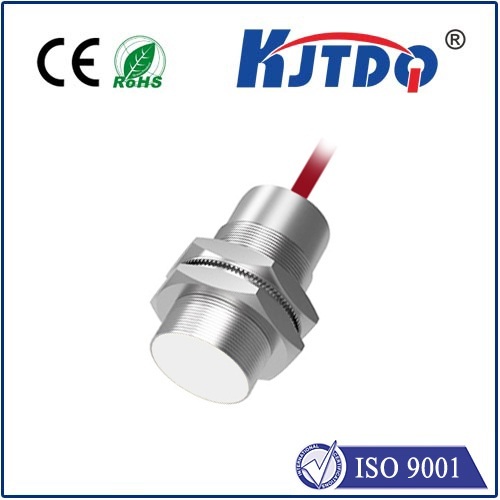
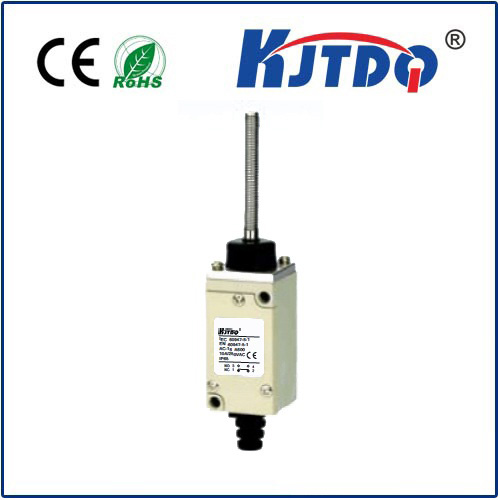
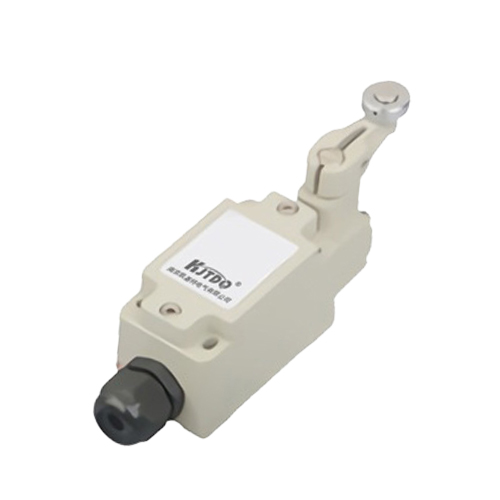
Low limit switches are commonly integrated into various applications, including conveyor systems, elevators, and robotic arms. Their primary function is to halt or alter the movement of a machine when it reaches a predetermined low point. This is achieved through mechanical, magnetic, or proximity-based sensing mechanisms. For instance, in a hydraulic press, a low limit switch can signal the control system to stop the downward motion once the press reaches its lowest safe position, thereby avoiding collisions or over-travel that could lead to costly repairs.
The design of these switches emphasizes durability and accuracy. Constructed from robust materials such as stainless steel or industrial-grade plastics, they withstand harsh environments involving dust, moisture, and temperature fluctuations. Many modern low limit switches also feature adjustable settings, allowing operators to fine-tune the activation point based on specific operational needs. This adaptability makes them versatile across industries, from manufacturing and packaging to aerospace and energy.
One key advantage of incorporating low limit switches is their contribution to safety protocols. In automated systems, human intervention is minimized, but risks remain if machinery operates beyond its limits. By installing these switches, companies can comply with safety standards and reduce the likelihood of accidents. For example, in elevator systems, low limit switches ensure the cab stops precisely at floor level, preventing misalignment that could cause passenger injuries. Similarly, in assembly lines, they help maintain consistent product quality by controlling the positioning of components.
Moreover, the integration of low limit switches with programmable logic controllers (PLCs) and other automation technologies enhances efficiency. When a switch is triggered, it sends an electrical signal to the control unit, which can then initiate corrective actions, such as reversing direction or activating alarms. This real-time feedback loop enables predictive maintenance, as operators can monitor switch activity to identify wear or potential failures before they escalate. As industries embrace Industry 4.0 and smart manufacturing, the role of low limit switches in data-driven decision-making becomes increasingly significant.
Despite their simplicity, selecting the right low limit switch requires careful consideration. Factors like operating speed, load capacity, and environmental conditions must be evaluated to ensure optimal performance. Regular inspection and calibration are also essential to maintain accuracy over time. By prioritizing these aspects, businesses can maximize the longevity and effectiveness of their automation systems.
In summary, the low limit switch is a fundamental component in modern industrial settings. It not only safeguards equipment and personnel but also boosts productivity by enabling precise control. As automation continues to evolve, the demand for reliable low limit switches will persist, underscoring their importance in achieving seamless, safe, and efficient operations. Investing in high-quality switches and proper integration can yield long-term benefits, from reduced operational costs to enhanced competitiveness in a fast-paced market.