check

check

check

check

check

check
In the realm of industrial automation and machinery control, precision, reliability, and safety are non-negotiable. Among the myriad of components that ensure these standards, the IR limit switch stands out as a critical yet often understated device. This technology, leveraging infrared light, has evolved from simple detection tasks to becoming a cornerstone in sophisticated automated systems. Unlike traditional mechanical limit switches that rely on physical contact, an IR limit switch operates on a contactless principle, offering distinct advantages in durability, speed, and application versatility.
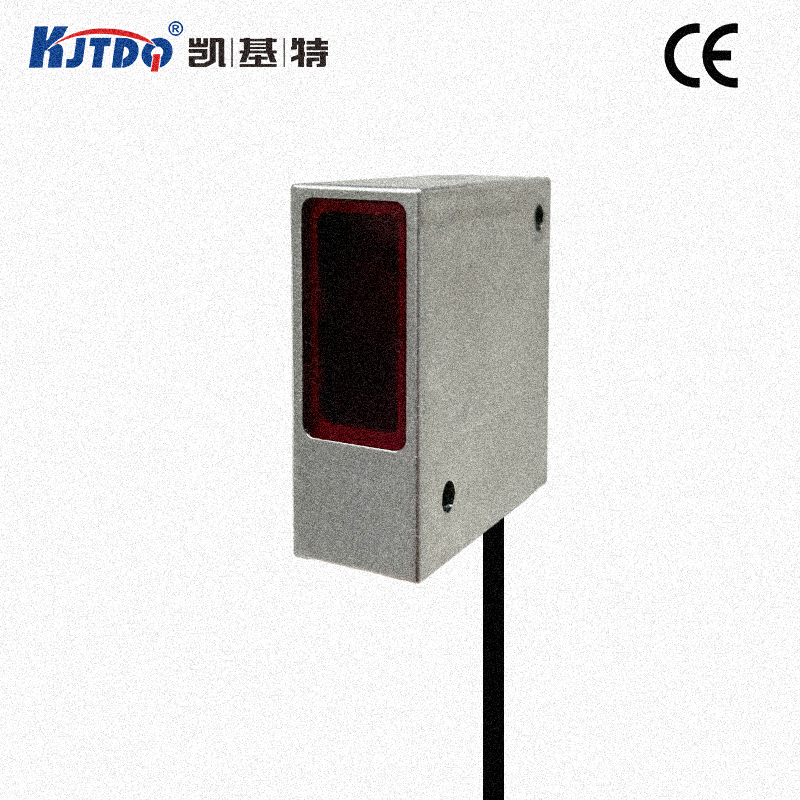
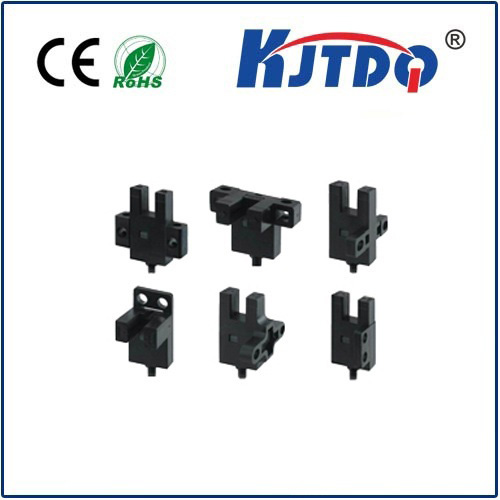
At its core, an IR limit switch functions by emitting an invisible beam of infrared light. A receiver, typically housed within the same unit, detects this beam. The fundamental operational logic is straightforward: when an object interrupts this infrared beam, the switch triggers a signal change. This signal is then communicated to a control system, such as a PLC (Programmable Logic Controller), which can initiate a predetermined action. This action might be to stop a moving conveyor belt, reverse the direction of a motor, count items on a production line, or activate a safety interlock to protect machinery and personnel. The beauty of this system lies in its simplicity and immunity to many environmental factors that plague other sensing technologies, such as dust, color, or surface texture of the target object, within specified operational parameters.
The advantages of implementing IR limit switches are substantial. First and foremost is their non-contact nature. Since there is no physical arm or lever making contact with the target, mechanical wear and tear are virtually eliminated. This translates to significantly longer service life, reduced maintenance costs, and higher reliability over millions of operational cycles. Secondly, they offer incredibly fast response times. The detection and signal transmission happen at the speed of light, making them ideal for high-speed automation processes where milliseconds count. Furthermore, their ability to detect objects irrespective of material (metal, plastic, wood, glass) provides immense flexibility in diverse industrial settings, from packaging and material handling to automotive assembly and robotic cell safety.
When selecting an IR limit switch for a specific application, several key specifications demand attention. The sensing range is paramount; it must be suitable for the distance at which detection needs to occur. The type of output (e.g., NPN, PNP, relay, or analog) must be compatible with the host control system. Environmental ratings, such as IP (Ingress Protection) codes for dust and water resistance, are crucial for harsh factory environments. Additionally, features like built-in timers, adjustable sensitivity, and a visible beam indicator (often a red LED) for easier alignment and troubleshooting add significant value. Proper installation and alignment are critical; even a slight misalignment can lead to false triggers or failure to detect, compromising the entire system's integrity.
A compelling application area is in safety systems, where IR limit switches form part of safety light curtains or perimeter guarding. Here, they create an invisible protective barrier around dangerous machinery. Any intrusion into this field immediately halts machine operation, preventing accidents. In logistics, they are indispensable for precise parcel sorting and palletizing, ensuring smooth workflow. Their role in the renewable energy sector, particularly in solar panel tracking systems, is also growing, where they provide accurate positional feedback.
Despite their robustness, users must be aware of limitations. Extreme environmental conditions like heavy fog, steam, or very bright ambient light can interfere with the infrared beam. Regular cleaning of the lens is necessary to prevent false readings from dust accumulation. Understanding these constraints allows for proper placement and the implementation of complementary safeguards.
In conclusion, the IR limit switch is far more than a simple sensor. It is a sophisticated, reliable, and versatile component that silently powers modern automation. By providing accurate, contactless detection, it enhances operational efficiency, ensures equipment longevity, and, most importantly, safeguards human operators. As industries continue to advance towards smarter, more interconnected systems, the fundamental role of dependable components like the IR limit switch will only become more pronounced, making a thorough understanding of their function and selection criteria essential for engineers and system integrators aiming to build resilient and productive automated solutions.