check

check

check

check

check

check
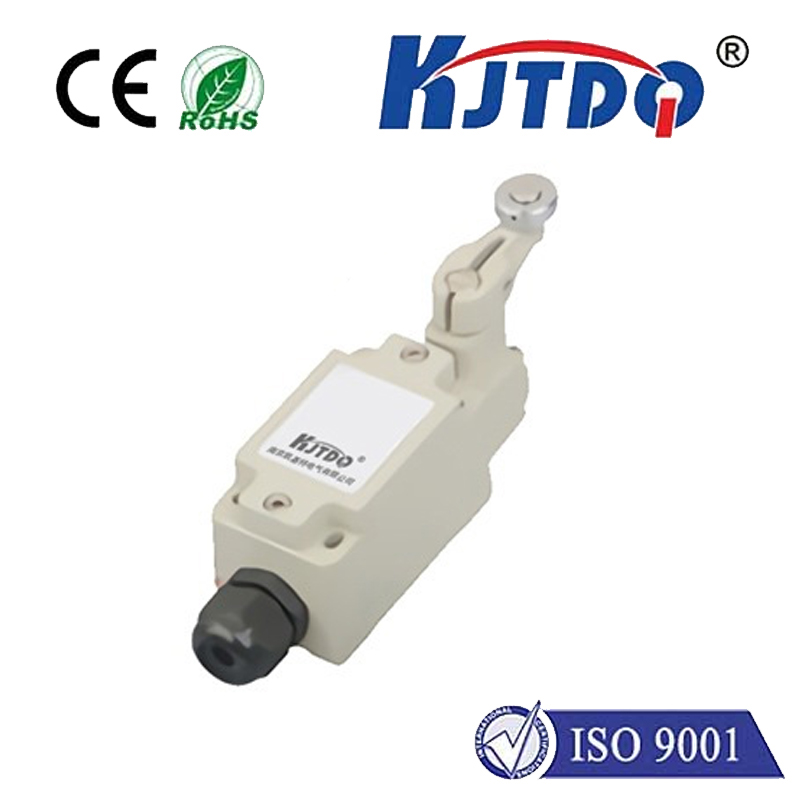
In the intricate world of electronic components and control systems, the SPST limit switch stands as a fundamental yet indispensable device. SPST, an acronym for Single Pole Single Throw, describes a basic switch configuration with one input terminal and one output terminal. When activated, it either makes or breaks a single circuit. A limit switch incorporating this design is a electromechanical device specifically engineered to detect the presence or absence of an object, or to monitor and restrict the movement of a machine part within a predetermined range. Its operation is elegantly simple: a physical actuator, such as a lever, roller, or plunger, is triggered by the motion of the target object. This physical interaction mechanically moves internal contacts, thereby opening or closing the electrical circuit.
The core mechanism of an SPST limit switch revolves around its internal contact arrangement. In its normal state (often referred to as the "normal open" or NO configuration), the circuit is interrupted, and no current flows. When the actuator is depressed or moved, the internal contacts close, completing the circuit and allowing electrical current to pass through. Conversely, a "normal closed" (NC) SPST switch operates in the opposite manner, with the circuit closed in the resting state and opened upon actuation. This binary function – on or off – makes it an ideal component for providing straightforward control signals in automation and safety systems.
The applications of SPST limit switches are vast and critical across numerous industries. In industrial automation, they are ubiquitous on assembly lines, conveyor systems, and robotic arms. They serve as precise end-of-travel sensors, ensuring that a moving part, like a robotic gripper or a milling machine carriage, does not exceed its safe operational boundaries, thus preventing mechanical damage and potential safety hazards. For instance, on an automated packaging machine, an SPST limit switch with a roller actuator can be positioned to detect when a product carton is in the correct place for sealing, initiating the next step in the process only upon confirmation.
Beyond heavy machinery, these switches play a vital role in everyday appliances and consumer electronics. The humble microwave oven often uses an SPST limit switch on its door. When the door is closed, the switch actuator is pressed, closing the circuit and enabling the oven to operate. Opening the door releases the actuator, instantly breaking the circuit and cutting power to the magnetron, a crucial safety feature. Similarly, washing machines, elevators, and garage door openers rely on these switches to define open and closed positions, ensuring user safety and proper cyclic operation.
The advantages of using a basic SPST limit switch are manifold. Their design simplicity translates to high reliability, long operational life, and relatively low cost. They provide a direct, physical means of detection that is often more robust and less susceptible to environmental interference like dust, oil, or electromagnetic noise compared to some proximity sensors. The tactile feedback and clear audible "click" in many mechanical models offer immediate confirmation of actuation, which is valuable for maintenance and troubleshooting. Furthermore, their versatility is enhanced by a wide array of actuator types (lever, roller, wobble stick) and housing materials (metal, plastic, sealed units) designed to withstand specific environmental conditions such as moisture, extreme temperatures, or corrosive atmospheres.
When selecting an SPST limit switch for a project, several key parameters must be considered. The electrical rating, including voltage and current capacity (both AC and DC), must match the control circuit's requirements. The mechanical life expectancy, often rated in millions of operations, indicates durability. The type of actuator should be chosen based on the direction and force of the object it will contact. For harsh environments, an appropriate Ingress Protection (IP) rating is essential to guarantee performance despite exposure to water, dust, or chemicals. Proper installation and alignment are also critical to ensure consistent and accurate actuation without undue stress on the actuator arm.
In summary, the SPST limit switch is a cornerstone of electromechanical control. Its uncomplicated SPST design belies its critical importance in enabling automation, ensuring operational safety, and providing reliable positional feedback. From massive industrial robots to common household gadgets, this device performs a silent, vigilant duty, making it an enduring and essential component in the engineer's toolkit. Understanding its function and applications is key to designing safe, efficient, and reliable automated systems.