check

check

check

check

check

check
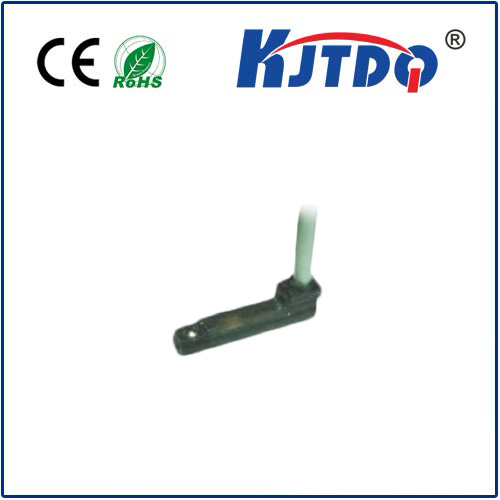
In industrial automation, precision and reliability are non-negotiable. The SMC Pneumatic Limit Switch stands as a cornerstone component in countless systems, ensuring accurate position detection and seamless control of pneumatic actuators. Unlike standard mechanical switches, this device translates physical motion into a clear pneumatic signal, offering a robust solution for harsh environments where electrical components might fail.
The core principle of an SMC Pneumatic Limit Switch is elegantly simple. It is typically actuated by the movement of a pneumatic cylinder's piston rod or another moving part. When the actuator reaches a predetermined position, it physically triggers the switch. This action either blocks or allows compressed air to flow through the switch, creating a distinct pressure signal in a pilot line. This signal is then used to control other pneumatic valves or logic elements, effectively telling the system, "the cylinder has reached its end-of-stroke" or "the part is in the correct position." This purely pneumatic feedback loop eliminates the need for electrical wiring in the sensing loop, providing inherent safety in explosive or wet conditions.
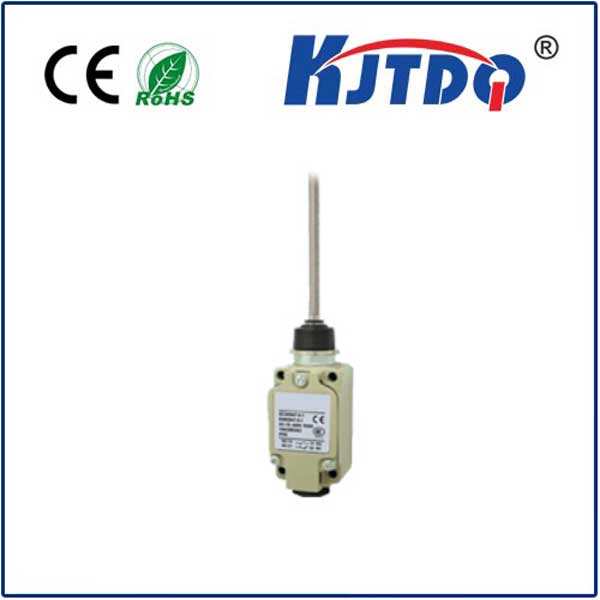
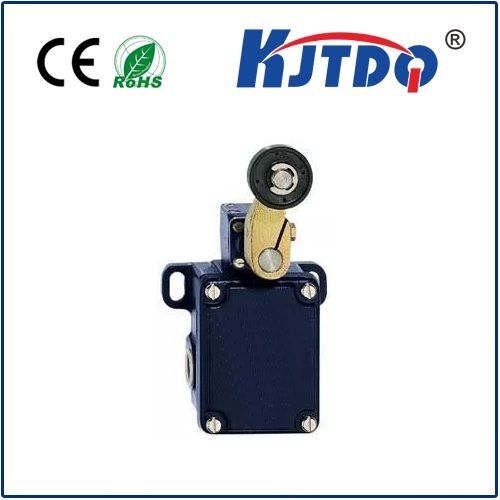
One of the standout features of the SMC series is its exceptional durability. Constructed with high-grade materials, these switches are designed to withstand millions of cycles without performance degradation. They are resistant to oil, dust, and coolant ingress, making them ideal for machine tools, packaging machinery, and automotive assembly lines. The variety of actuator types—including roller lever, plunger, and fork lever—allows for flexible installation and adaptation to different mechanical motions. Adjustable levers and mounting brackets further enhance this versatility, enabling fine-tuning for exact positioning requirements.
Installation and maintenance are remarkably straightforward. The compact design of SMC limit switches facilitates easy integration into tight spaces on machinery. Their color-coded ports (typically for supply, output, and exhaust) simplify tubing connections, reducing setup time and potential errors. Since they have no electrical contacts, there are no issues with contact welding, arcing, or EMI/RFI interference. Maintenance typically involves only checking for air leaks and ensuring the actuator moves freely, contributing to lower lifetime costs and reduced machine downtime.
For system designers, the benefits are substantial. By incorporating SMC Pneumatic Limit Switches, they can create purely pneumatic control circuits or hybrid systems with enhanced safety. This is particularly valuable in applications where overall system simplicity is desired or where electrical control is to be minimized. The immediate, positive feedback provided by these switches is crucial for sequencing operations, preventing machine collisions, and ensuring repeatable process quality. From controlling the clamp and eject cycles in an injection molding machine to indexing parts on a conveyor, the reliability of the signal is paramount.
In comparison to proximity sensors or micro-switches, the pneumatic limit switch offers a fundamentally different value proposition. It is not about sensing presence at a distance, but about providing a definitive, mechanically-grounded position confirmation. Its output is a strong air signal, not a weak electrical one, which can be used directly to pilot large valves without amplification. This inherent noise immunity and power capability streamline circuit design.
Ultimately, selecting the right position-sensing component can define the efficiency and safety of an automated system. The SMC Pneumatic Limit Switch delivers a proven, robust, and maintenance-friendly solution. Its design philosophy centers on unwavering performance under demanding conditions, ensuring that machines operate as intended, cycle after cycle. For engineers seeking to build resilient and dependable automation, this component remains an indispensable tool in the quest for operational excellence.