check

check

check

check

check

check
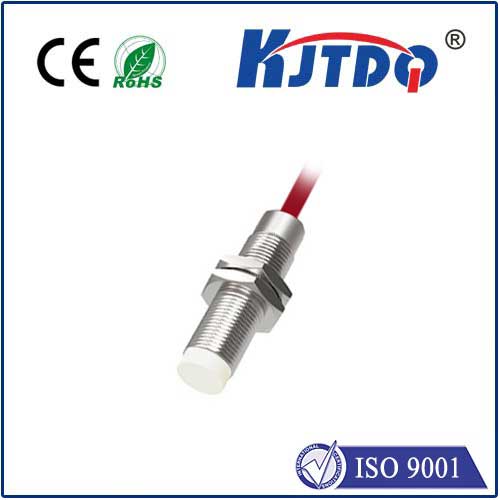
In the realm of automation and smart technology, the infrared proximity sensor with PNP output configuration stands as a critical component for accurate object detection and distance measurement. These sensors operate by emitting infrared light and analyzing the reflected signal to determine the presence or absence of an object within a specified range. The PNP (Positive-Negative-Positive) output type, in particular, offers a high signal when activated, making it compatible with many programmable logic controllers (PLCs) and industrial control systems that require a positive voltage supply. This compatibility ensures seamless integration into existing setups, reducing installation complexity and enhancing reliability.
The working principle of an infrared proximity sensor PNP involves a transmitter and receiver pair. The transmitter emits a beam of infrared light, which, upon hitting an object, reflects back to the receiver. By calculating the time or intensity of the reflected light, the sensor can gauge proximity with high precision. This non-contact method minimizes wear and tear, making it ideal for applications in harsh environments where mechanical sensors might fail. Industries such as manufacturing, robotics, and automotive assembly rely on these sensors for tasks like part counting, position sensing, and safety barriers, where consistent performance is paramount.
One key advantage of PNP infrared proximity sensors is their immunity to ambient light interference. Advanced models incorporate modulated infrared signals and filtering techniques to distinguish between actual reflections and background noise, ensuring accurate readings even in brightly lit conditions. This feature is crucial for outdoor applications or settings with variable lighting, such as warehouse automation and agricultural machinery. Additionally, the solid-state design of these sensors contributes to long operational lifespans and low maintenance requirements, offering cost savings over time.
When selecting an infrared proximity sensor PNP, factors like sensing range, response time, and environmental ratings must be considered. Typical sensing ranges vary from a few millimeters to several meters, allowing customization based on specific needs. Fast response times enable real-time detection in high-speed processes, such as conveyor belt systems or robotic arms. Moreover, sensors with IP67 or higher ratings provide protection against dust and water ingress, ensuring durability in demanding industrial scenarios.
In consumer electronics, infrared proximity sensors PNP are also gaining traction, used in devices like smartphones for screen dimming during calls or in home appliances for touchless controls. This versatility underscores their role in driving innovation across sectors. As technology evolves, advancements in miniaturization and energy efficiency are making these sensors more accessible and effective, paving the way for smarter, more responsive systems.
Overall, the infrared proximity sensor PNP represents a fusion of reliability and adaptability, essential for modern detection challenges. By leveraging infrared technology with PNP output, industries can achieve greater accuracy, safety, and efficiency, ultimately contributing to enhanced operational outcomes and technological progress.