check

check

check

check

check

check
In the rapidly evolving landscape of industrial automation and smart device integration, the demand for reliable, high-precision detection components has never been greater. Among the frontrunners in this critical field is the M4 Proximity Sensor, a sophisticated piece of technology designed to deliver unparalleled accuracy and durability. This guide delves into the core functionalities, diverse applications, and significant advantages that make the M4 series a preferred choice for engineers and system designers worldwide.
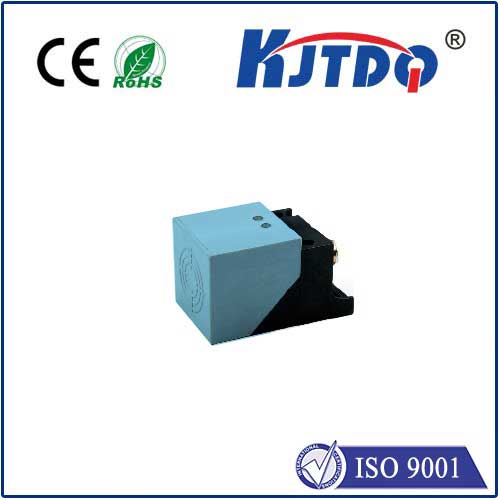
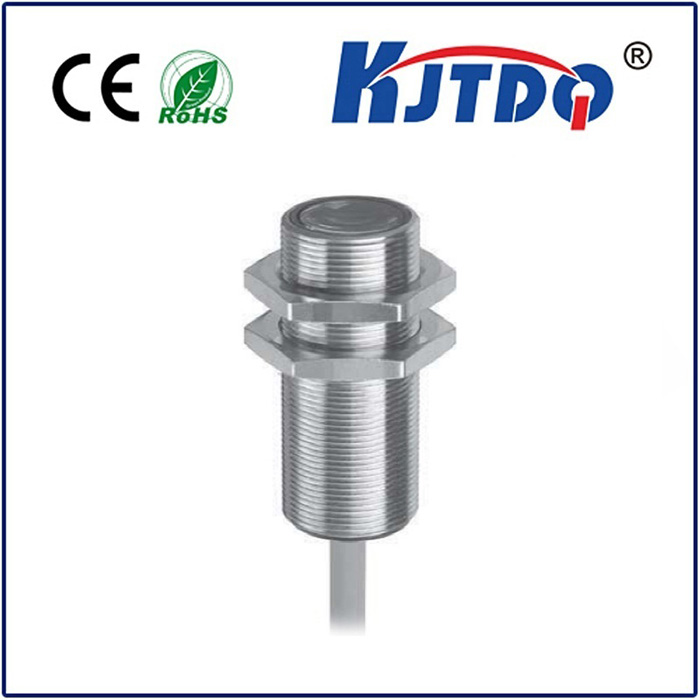
At its heart, the M4 Proximity Sensor is a non-contact sensing device. It operates by emitting an electromagnetic field or a beam of electromagnetic radiation, typically infrared light, and then looking for changes in the field or return signal. The key to its operation lies in detecting the presence or absence of a nearby object without any physical contact. This fundamental principle allows for wear-free operation, significantly extending the sensor's lifespan compared to mechanical limit switches. The "M4" designation often refers to a specific form factor or performance class, commonly associated with a compact, cylindrical housing with an 18mm diameter and a threaded body (e.g., M18 x 1 or M30 x 1.5), making it exceptionally easy to install in a vast array of machinery and equipment setups.
The technological prowess of the M4 Proximity Sensor is evident in its key performance metrics. It boasts an impressive sensing range, which can vary from a few millimeters to several tens of millimeters depending on the specific model and target material. Factors such as the target's size, material composition (ferrous metals like iron and steel are typically detected at longer ranges than non-ferrous metals or other materials), and the surrounding environment all play a role in its effective range. Furthermore, modern M4 sensors feature high switching frequencies, enabling them to detect objects moving at very high speeds—a critical requirement in fast-paced production lines. Their robust construction ensures reliable performance in challenging industrial environments, offering high resistance to environmental contaminants like dust, oil, coolants, and even brief immersion, often reflected in IP67 or higher ingress protection ratings.
The applications for the M4 Proximity Sensor are virtually limitless across industries. In manufacturing and packaging, they are indispensable for object counting, position verification on conveyor belts, and detecting the end of a roll of material. The automotive industry relies on them for robotic arm positioning, part presence checks in assembly stations, and machine tool positioning. Beyond heavy industry, these sensors are integral to modern consumer electronics, enabling features like automatic screen turn-off during phone calls or detecting when a laptop lid is closed. Their reliability and precision also make them suitable for safety systems, such as ensuring protective guards are in place before machinery activation.
Choosing an M4 Proximity Sensor involves considering several critical parameters. The sensing distance, or nominal range, must be appropriate for the application. The output type is another crucial decision: NPN (sinking) or PNP (sourcing) transistor outputs are standard, compatible with different PLC (Programmable Logic Controller) input card types. Some advanced models offer analog outputs (4-20mA or 0-10V) for distance-proportional signaling or IO-Link capability for advanced diagnostics and parameter setting. The housing material, typically nickel-plated brass or stainless steel, must be selected based on the environmental conditions to prevent corrosion. Finally, the connection method, whether pre-wired cable or quick-disconnect connector, impacts installation and maintenance ease.
The advantages of implementing M4 Proximity Sensors are substantial. Their non-contact nature eliminates mechanical wear, leading to minimal maintenance and a long operational life. They provide fast, consistent response times, crucial for high-speed automation. Being solid-state devices, they are highly resistant to vibration and shock. Their sealed designs allow operation in dirty or wet conditions where mechanical switches would fail. Ultimately, by enhancing machine reliability, reducing downtime, and enabling more complex automation sequences, M4 Proximity Sensors contribute directly to increased productivity and operational efficiency.
In conclusion, the M4 Proximity Sensor represents a mature yet continually refined technology that forms a foundational element in modern automated systems. Its blend of compact design, robust construction, precise detection capabilities, and versatility ensures it remains a critical component for engineers seeking to build smarter, faster, and more reliable machinery. From factory floors to everyday gadgets, the silent, reliable operation of the M4 Proximity Sensor is a testament to its vital role in the interconnected world of sensing technology.