check

check

check

check

check

check
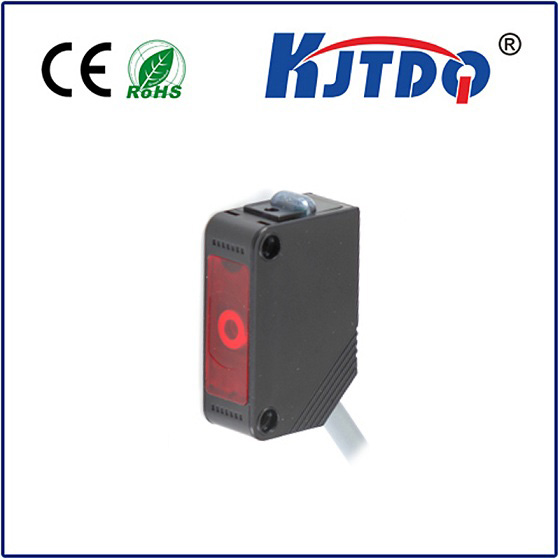
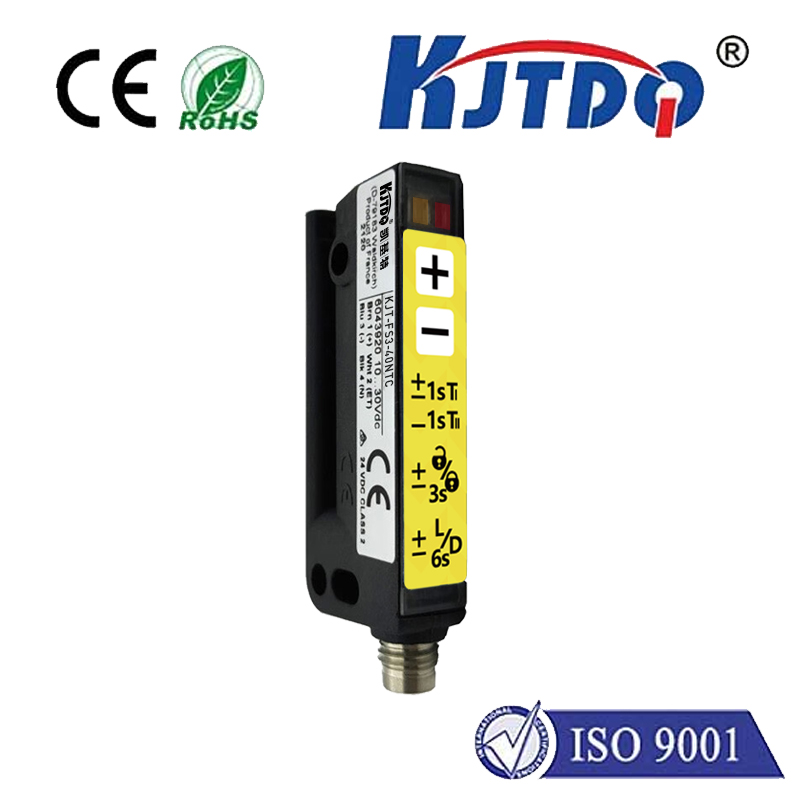
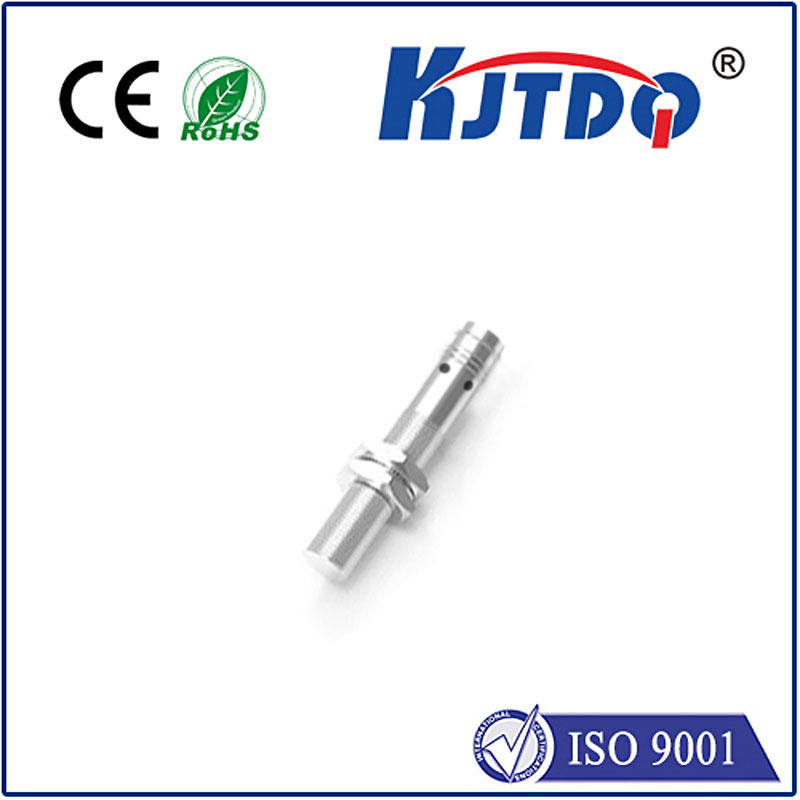
In the rapidly evolving landscape of industrial automation and smart systems, the demand for reliable, non-contact sensing solutions has never been higher. Among the array of technologies available, the proximity reflector sensor stands out as a pivotal component, driving efficiency and precision across diverse applications. This type of sensor, often referred to in technical circles as a retro-reflective or reflex sensor, operates on a simple yet ingenious principle. It combines a light emitter and a receiver within a single housing. The emitted light beam, typically infrared or laser, is directed towards a specially designed reflector. When an object interrupts this beam, the light fails to return to the receiver, triggering a detection signal. This design eliminates the need for a separate receiver unit, simplifying installation and reducing wiring complexity compared to through-beam sensors.
The core advantage of the proximity reflector sensor lies in its operational flexibility and extended sensing range. Unlike diffuse sensors that rely on light reflected directly from the target object, the reflector sensor uses a high-efficiency reflector, allowing it to detect objects at much greater distances—often several meters. This makes it ideal for applications where the target object may have poor reflective properties, be dark, or transparent. For instance, in packaging lines, these sensors reliably detect the presence of clear plastic bottles or glossy film wrappers that would challenge standard diffuse sensors. The consistent, strong signal from the reflector ensures high switching accuracy and repeatability, minimizing false triggers and production errors.
Durability and environmental resistance are hallmarks of modern proximity reflector sensors. Engineered for harsh industrial environments, they are commonly housed in robust metallic or high-grade plastic casings with ingress protection ratings like IP67 or IP69K. This makes them resistant to dust, water jets, oils, and mechanical impacts. Advanced models feature built-in diagnostics, such as teach-in functions or LED status indicators, which allow for quick setup and troubleshooting, reducing machine downtime. Furthermore, innovations in optical design, including polarized filters, enable these sensors to distinguish between the genuine reflector signal and spurious reflections from shiny surfaces like metal or glass, a common challenge in factory settings.
The application spectrum of the KJTDQ series proximity reflector sensor is remarkably broad. In material handling and logistics, they are indispensable for palletizing, conveyor belt control, and warehouse automation, ensuring smooth object flow and precise positioning. Within the automotive manufacturing sector, these sensors monitor robotic arm movements, verify part placement, and control assembly processes with micron-level precision. They also play a critical role in safety systems, serving as presence guards on automated doors or machinery access points. Beyond heavy industry, their utility extends to agricultural automation for counting produce and in commercial building management for people counting or occupancy sensing.
Selecting the right proximity reflector sensor involves careful consideration of several parameters. The sensing range must be appropriate for the application, with a sufficient margin to account for potential misalignment or environmental factors like vibration. The type of light source—infrared for general purpose or laser for precise, long-range detection—is another key decision. Response time is crucial for high-speed production lines, while the output configuration (PNP/NPN, NO/NC) must be compatible with the existing control system, such as a PLC. Environmental conditions dictate the necessary housing material and protection rating.
Looking ahead, the integration of proximity reflector sensors with Industrial Internet of Things (IIoT) frameworks is set to unlock new potentials. Smart sensors with IO-Link communication can transmit not just a simple switch signal but also detailed diagnostic data—like signal strength, temperature, and operating hours—to central control systems. This facilitates predictive maintenance, where potential failures can be anticipated and addressed before they cause stoppages, enhancing overall equipment effectiveness (OEE). The KJTDQ series, embodying these advanced features, represents more than just a detection device; it is a cornerstone for building resilient, data-driven, and highly efficient automated systems. By offering a perfect blend of robust performance, application versatility, and evolving intelligence, proximity reflector sensors continue to be a fundamental enabler of innovation in automation technology.