check

check

check

check

check

check
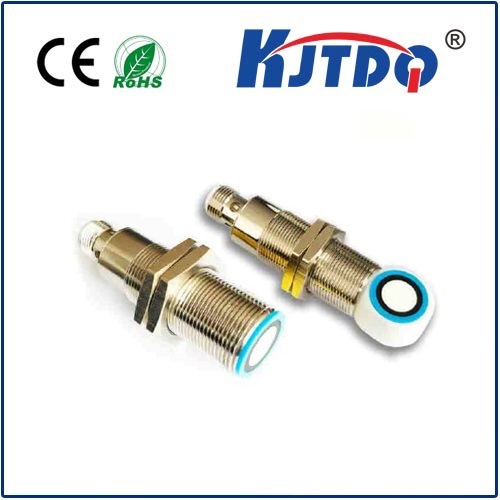
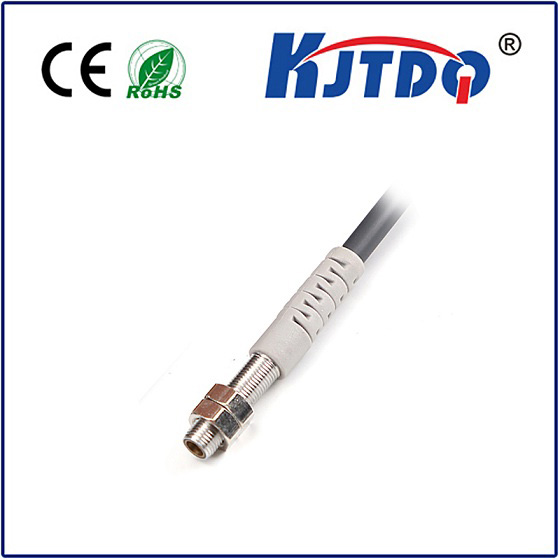
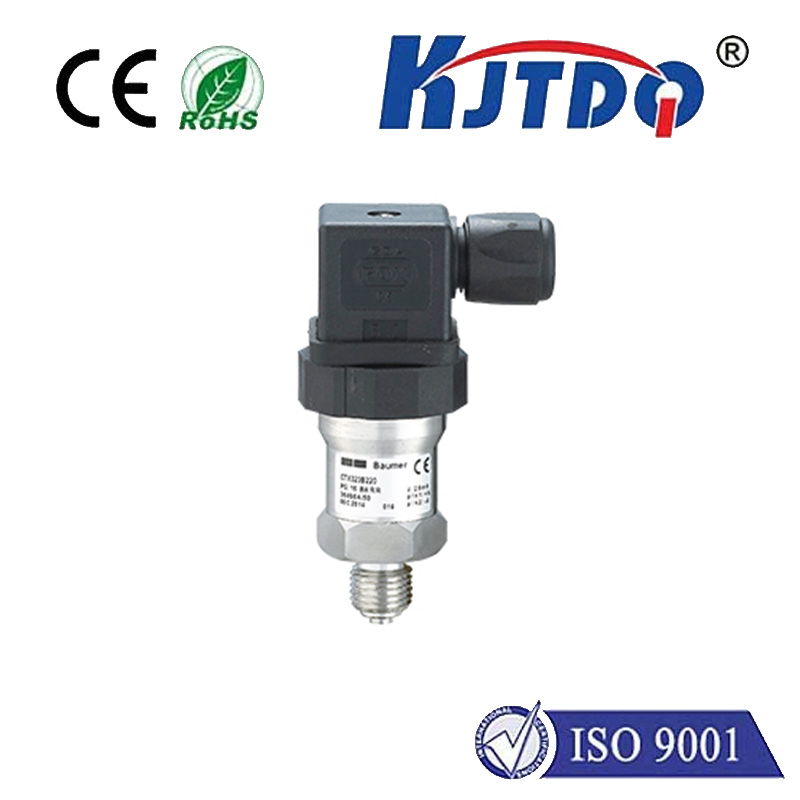
In demanding industrial environments where machinery operates under extreme conditions, the reliability of monitoring equipment is paramount. High pressure proximity sensors have emerged as critical components for ensuring both operational safety and process efficiency. These specialized sensors are designed to detect the presence or absence of an object in close proximity, even within high-pressure zones that would compromise standard sensor functionality. The KJTDQ series represents a significant advancement in this field, offering robust performance where it matters most.
The core function of a high pressure proximity sensor is to provide non-contact detection. Unlike mechanical limit switches that require physical touch, these sensors use electromagnetic fields, ultrasonic waves, or capacitive coupling to sense metallic or non-metallic targets. This non-contact nature is crucial in high-pressure applications, as it eliminates points of mechanical failure, reduces wear and tear, and allows for detection through certain non-metallic barriers. In hydraulic systems, for instance, sensors can monitor piston position within a cylinder without requiring penetrative seals that could leak under intense pressure. This capability directly translates to increased system integrity and reduced maintenance downtime.
Industrial sectors such as oil and gas, heavy manufacturing, and chemical processing routinely deal with pressurized vessels, pipelines, and actuators. In these settings, a sensor's ability to withstand not just high pressure but also associated challenges like temperature fluctuations, vibration, and potential exposure to corrosive media is non-negotiable. The construction of a high-pressure rated sensor like the KJTDQ involves specialized housing materials, often stainless steel or other hardened alloys, and advanced sealing technologies such as laser-welded diaphragms or multiple O-ring seals. This robust build ensures that the internal electronics remain completely isolated from the harsh external environment, guaranteeing consistent signal output and long-term reliability.
One of the key technological differentiators in modern sensors is the sensing element itself. Inductive proximity sensors, ideal for detecting metals, generate an oscillating electromagnetic field. When a metallic object enters this field, it causes a change in oscillation amplitude, which the sensor's circuitry detects. For high-pressure versions, the coil and core are meticulously potted or encapsulated to prevent any movement or deformation under pressure, which would alter the sensing characteristics. Similarly, capacitive sensors, used for detecting liquids, powders, or non-metallic materials, are engineered with stable dielectric materials that do not compress or change properties under load, ensuring accurate level detection in pressurized tanks.
Integration into automated control systems is seamless with contemporary high-pressure proximity sensors. Many models, including the KJTDQ line, offer various output options such as NPN, PNP, analog (4-20mA or 0-10V), or IO-Link digital communication. This flexibility allows them to interface directly with Programmable Logic Controllers (PLCs), safety relays, or distributed control systems. The IO-Link capability, in particular, provides valuable diagnostic data beyond a simple on/off signal. Operators can monitor parameters like operating temperature, signal strength, and even predict potential failures through condition monitoring, enabling a shift from reactive to predictive maintenance strategies.
The application benefits are substantial and measurable. In injection molding machines, high-pressure sensors precisely detect mold closure, ensuring perfect sealing before the high-pressure injection cycle begins, which prevents defects and material waste. Within subsea equipment for offshore drilling, these sensors provide critical feedback on valve positions and actuator status under immense oceanic pressures, where manual inspection is impossible. In high-pressure die-casting, they verify the position of cores and ejector pins, safeguarding both the expensive molds and the quality of the cast parts. Each application leverages the sensor's immunity to environmental stress to create a safer, more reliable, and more efficient process.
Selecting the right high-pressure proximity sensor requires careful consideration of several specifications beyond just the pressure rating. The sensing distance, or nominal range, must be suitable for the application geometry. The sensor's response time is critical in high-speed automation. Environmental ratings like IP (Ingress Protection) and, for hazardous areas, ATEX or IECEx certifications for explosive atmospheres, are often mandatory. Furthermore, compatibility with the process media—whether it's hydraulic oil, seawater, or a chemical slurry—must be confirmed to avoid material degradation. Consulting with technical specialists or the manufacturer during the selection phase is highly recommended to match the sensor's capabilities precisely to the operational demands.
Ultimately, the deployment of a high-quality high pressure proximity sensor like the KJTDQ is an investment in operational excellence. It moves critical detection points into areas previously deemed too hostile for reliable sensing. By providing accurate, real-time data on machine state and component position within high-pressure systems, these devices form the sensory backbone of modern industrial automation. They prevent catastrophic failures, optimize cycle times, reduce energy consumption by ensuring machines operate only when needed, and contribute significantly to overall plant safety. As industries continue to push the boundaries of pressure and performance, the evolution of these sensors will remain integral to achieving higher levels of productivity and protection.