check

check

check

check

check

check
In the seamless operation of countless devices we interact with daily, from smartphones to industrial robots, a silent and often overlooked component plays a crucial role: the proximity sensor. Far from being a singular, monolithic technology, the world of proximity sensor sensors encompasses a diverse array of principles and applications, acting as the fundamental "senses" for machines. These sensors detect the presence or absence of an object within a specific range without any physical contact, enabling smarter, safer, and more efficient interactions.
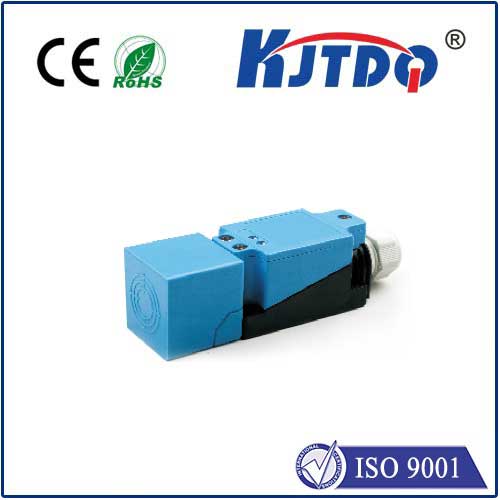
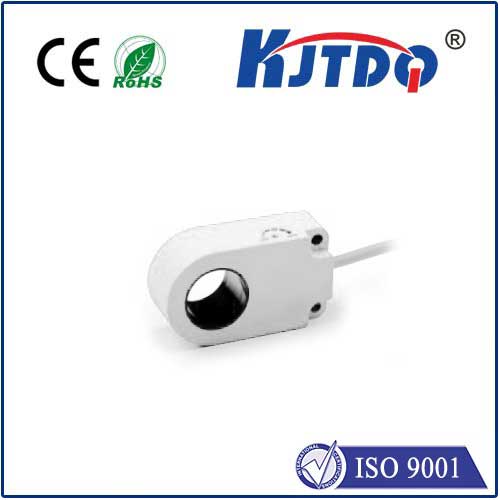
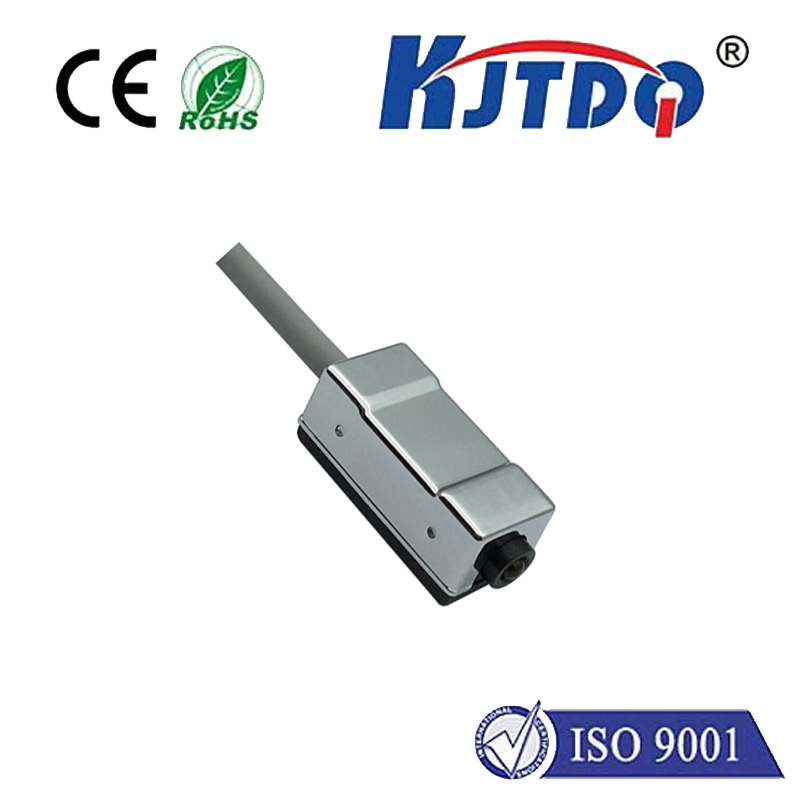
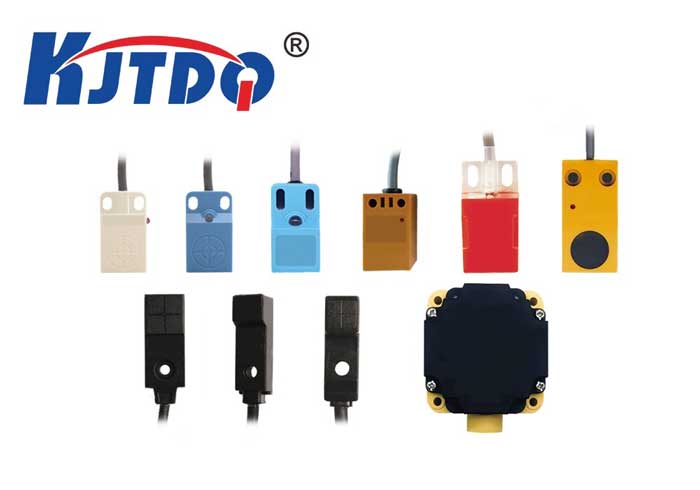
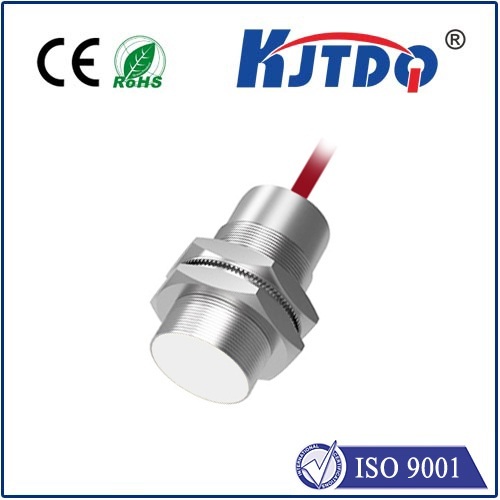
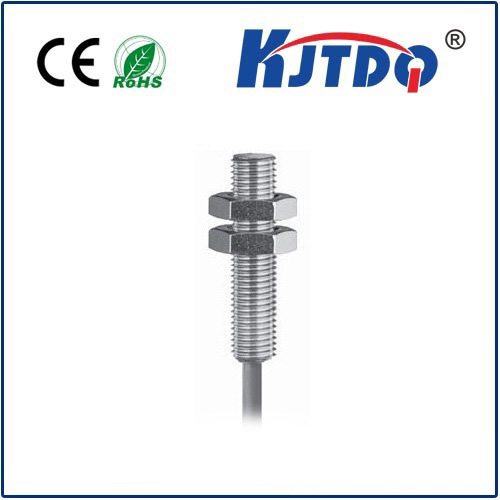
The core technology behind these sensors varies, each suited to different environments and requirements. Inductive proximity sensors, for instance, are workhorses in industrial automation. They generate an electromagnetic field and detect changes caused by metallic objects. This makes them ideal for counting metal parts on a conveyor belt, determining the position of a robotic arm, or ensuring machine safety by verifying a guard is in place. Their robustness in dirty, oily, or wet conditions is a key advantage. On the other hand, capacitive proximity sensors can detect both metallic and non-metallic materials, including liquids, plastics, and wood. They work by sensing changes in capacitance when an object enters their electrostatic field. This versatility finds applications in liquid level detection, material handling, and even touch-sensitive interfaces.
Perhaps the most familiar to the average consumer is the infrared (IR) proximity sensor. Commonly found in smartphones, these sensors emit an infrared light beam and measure its reflection. This simple action is what blanks your screen during a call to prevent accidental touches, saving battery life. Beyond phones, IR sensors are used in automatic faucets, hand dryers, and obstacle detection systems. For longer-range and more precise distance measurement, ultrasonic sensors use sound waves. By calculating the time delay between emitting a high-frequency pulse and receiving its echo, they can accurately gauge distance. This technology is fundamental in automotive parking assist systems, robotics navigation, and tank level monitoring.
The integration of these proximity sensor sensors is what drives innovation. In the automotive sector, they are the eyes of advanced driver-assistance systems (ADAS), enabling features like blind-spot monitoring, automatic emergency braking, and adaptive cruise control. In smart homes, they enable energy-saving lighting that turns on only when someone is present and security systems that detect unauthorized movement. In manufacturing, they are indispensable for precision assembly, quality control, and inventory management, forming the backbone of Industry 4.0 and smart factory concepts.
Selecting the right sensor involves careful consideration of several factors. The sensing range, response time, environmental conditions (temperature, dust, humidity), and the material of the target object are all critical. A sensor perfect for detecting a metal gear in a factory may be useless for detecting a plastic bottle on a packaging line. Furthermore, modern sensors are becoming increasingly intelligent, with integrated diagnostics, IO-Link communication for data exchange, and enhanced resistance to electrical noise and interference.
As technology evolves, so do proximity sensors. Miniaturization allows them to fit into ever-smaller consumer electronics. Enhanced sensitivity and selectivity improve their reliability in complex scenarios. The future points toward sensor fusion, where data from proximity sensors is combined with inputs from cameras, LiDAR, and other sensors to create a comprehensive environmental model for autonomous vehicles and advanced robotics. These invisible guardians will continue to be pivotal, making our machines more perceptive, responsive, and integrated into the fabric of daily life and industrial progress. Their silent vigilance ensures efficiency, enhances safety, and unlocks new levels of automated intelligence.