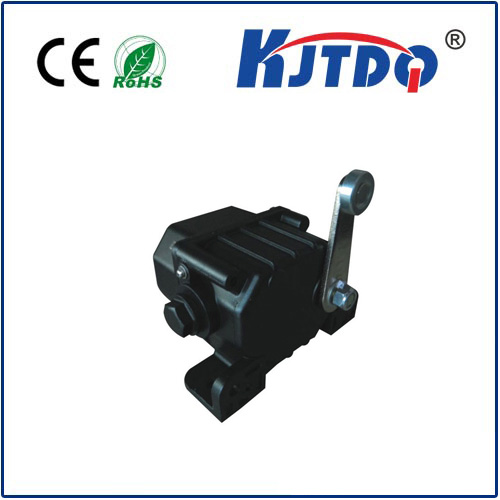
elevator limit switch
- time:2025-08-02 03:21:51
- Click:0
Understanding Elevator Limit Switches: Your Safety Net Against Over-Travel
Imagine stepping into an elevator, pressing the top floor button, and the car simply… doesn’t stop. Or worse, crashes through the ceiling. A terrifying thought, thankfully rendered virtually impossible by a critical, yet often overlooked, safety component: the elevator limit switch. These unassuming devices are fundamental guardians, silently enforcing the boundaries of safe elevator travel, ensuring every journey starts and ends exactly where it should.
What Exactly is an Elevator Limit Switch?
In essence, an elevator limit switch is a precision-engineered safety sensor strategically positioned at the extreme top and bottom of the elevator shaft. Its core mission is unequivocal: to detect when the elevator car approaches or reaches the absolute limits of its designated travel path and to initiate immediate, critical safety actions. Think of them as the ultimate “stop” sign for the elevator’s movement. They form an integral part of the elevator’s overall safety circuit, a fail-safe system designed to prioritize passenger safety above all else.
The Crucial Role: Preventing Overtravel
The primary danger an elevator limit switch protects against is known as over-travel. This occurs when the elevator car moves beyond its predetermined top or bottom landing zones within the hoistway. Causes can range from control system malfunctions and braking failures to unintended manual operation errors.
- Upper Limit Switch: Positioned near the top terminal landing, this switch activates if the car ascends too high. Its key function is to interrupt the power supply to the elevator hoist motor, commanding it to stop ascending. Crucially, it is designed to operate before the car physically reaches the absolute end of its travel path.
- Final Limit Switch: Often referred to as the ultimate safety backstop, this switch is installed slightly beyond the point where the upper limit switch should have already stopped the car. If the upper limit fails and the car continues ascending, the final limit switch engages. Its activation typically triggers a more drastic response: immediately cutting power to both the elevator motor and the controller, and applying the mechanical safety brakes (the car safeties) if they haven’t already engaged. This is the critical last line of defense against a catastrophic overshoot. Some systems might integrate this function into a single, two-stage switch mechanism.
Why Are They So Vital? The Non-Negotiable Safety Imperative
The consequences of a complete over-travel incident are severe:
- Structural Damage: The car crashing into overhead equipment (sheaves, motors) or the pit floor can cause immense damage to the elevator itself and the building infrastructure.
- Passenger Injury: A sudden, uncontrolled impact or jolt at the extremes of travel poses a significant risk of injury to anyone inside the car.
- System Failure: Such an event can lead to extensive downtime and costly repairs.
Limit switches directly mitigate these risks:
- Fail-Safe Design: They are built to activate automatically when needed. A malfunctioning switch typically defaults to a “safe” state, triggering a stop rather than allowing continued unsafe movement.
- Redundancy: The tiered system (Upper Limit followed by Final Limit) provides a crucial backup. If one switch fails, the other should still intervene.
- Mandatory Compliance: Elevator codes and safety regulations worldwide (like ASME A17.1/CSA B44) strictly mandate the installation and proper functioning of both upper and final limiting devices. They are non-negotiable for operational certification.
Maintenance: Ensuring Reliable Operation
Like all critical safety components, elevator limit switches require consistent attention:
- Regular Inspections: Certified elevator mechanics visually inspect and functionally test limit switches during routine maintenance visits. This involves checking their physical condition, alignment, mounting security, and verifying they activate correctly at the precise travel points.
- Cleaning and Adjustment: Dust, dirt, or misalignment can impede switch operation. Technicians clean contacts and ensure switches are perfectly positioned relative to the car’s activator (often a cam or roller).
- Component Replacement: Switches, especially mechanical ones with moving parts, wear out over time. Actuating arms can become bent, contacts pitted, or springs weak. Prompt replacement with certified parts is essential when failure is detected or as part of preventive maintenance schedules.
- Testing: Comprehensive safety tests performed periodically and after any significant repair must include verification that both the upper and final elevator limit switches operate correctly and bring the car to a safe stop.
Fluctuations in power supply, extreme temperatures, excessive moisture, or physical impacts within the hoistway can impair their function. Consistent, professional maintenance is key to ensuring these silent sentinels remain vigilant.
Beyond the Basics: Types and Integration
While the fundamental principle remains constant, different types of elevator limit switches exist:
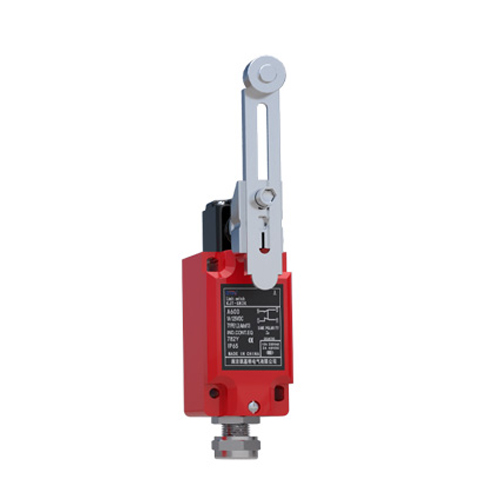
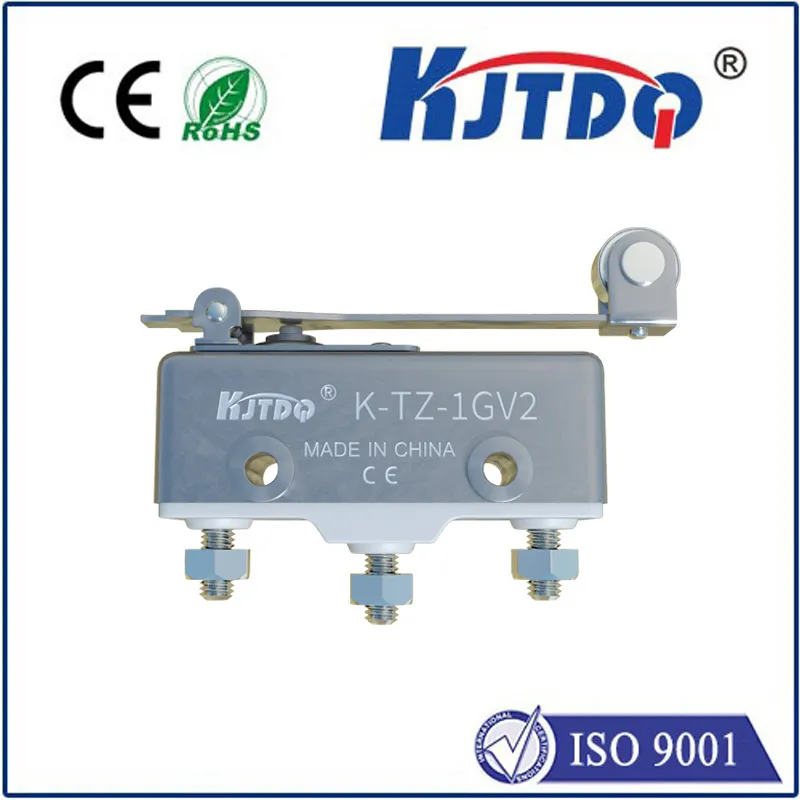
- Mechanical Switches: Traditional types using physical levers or rollers that are actuated by contact with a cam mounted on the elevator car. Reliable but susceptible to wear and environmental conditions.
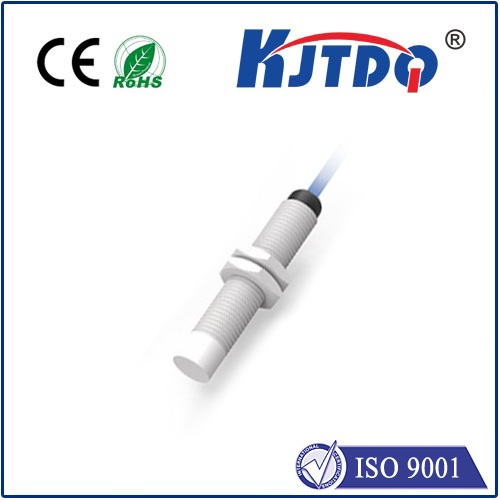
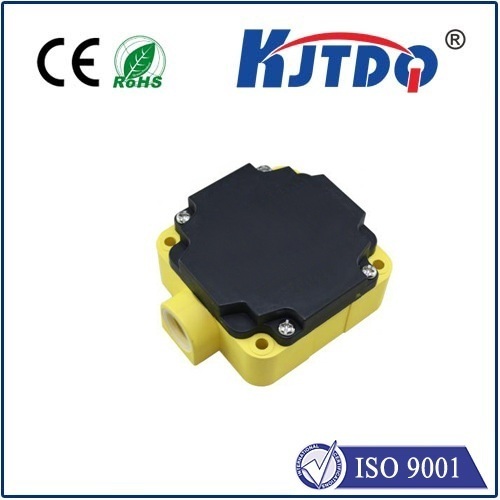
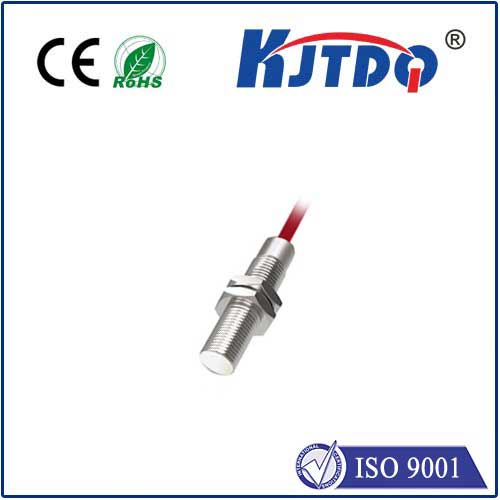
- Proximity Switches (Inductive/Magnetic): Non-contact sensors detecting the presence of a metal target (cam or plate) on the car. Less prone to mechanical wear, often more resistant to dust, but require precise alignment and can be sensitive to strong electromagnetic fields.
- Optical Switches: Use light beams (infrared) and receivers. Offer non-contact sensing but can be affected by dirt accumulation or misalignment.
Modern elevator control systems integrate the signals from these switches into complex safety logic circuits. Activation doesn’t just stop the motor; it locks out normal operation until the fault is diagnosed and cleared by a technician, ensuring the unsafe condition is resolved before passengers can use the elevator again.
These devices, though small and often hidden from view, are fundamental pillars of elevator safety. They stand as vigilant guardians at the boundaries of the hoistway, ensuring that every ascent and descent concludes safely within its intended zone. Their reliable operation, ensured through rigorous maintenance and testing protocols, is paramount in delivering the safe, dependable vertical transportation we rely on daily. Understanding their function underscores the sophisticated safety engineering woven into every elevator journey.